Biggest coal generator has zero appetite for nuclear in a market where grid flexibility is king
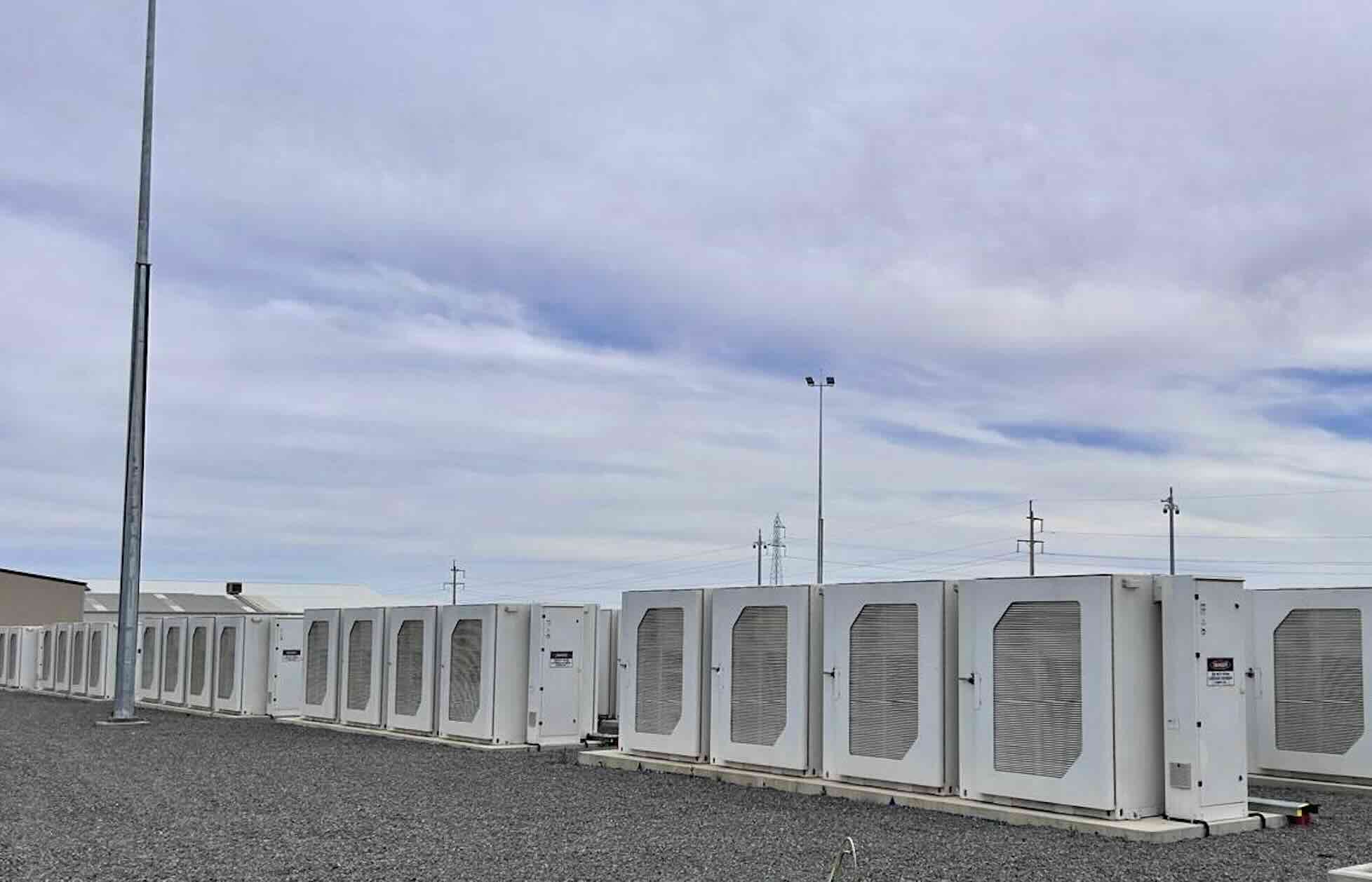
Broken Hill battery. Supplied.
Sophie Vorrath
Feb 12, 2025
CleanTech Bites
Australia’s biggest baseload electricity generator, AGL Energy, has confirmed it has no plans to branch into “always on” nuclear power, but instead remains focused on replacing its coal generation fleet with a “range of assets” underpinned by big investments in big batteries.
The question of nuclear power persists in the lead-up to this year’s federal election, given the Coalition’s policy pledge to build seven nuclear plants across the country if elected. But it did not rate a single mention in AGL’s half-year 2025 results presentation, and was not raised by any energy analysts in the post-presentation Q&A on Wednesday
When the subject came up in a media interview, however, AGL CEO Damien Nicks largely repeated what he has said before: Bboth time and cost won’t allow nuclear to be done on time,” he told AAP, presumably in reference to both the race to replace outgoing coal and the fight to half dangerous global warming.
“The question right now is about getting on and getting this (energy transition) done as soon as we can. Our strategy is about building a whole range of assets, not one or the other. It’s going to be renewables, batteries, pumped hydro, gas peakers to support what this market needs.
“We’re making 20-year decisions that will outlive changes in politics every three or four years,” Nicks said.
At the core of AGL’s plans detailed in the results presentation on Wednesday is the move to add another 1.4 gigawatts of big battery energy storage capacity to its portfolio, with final investment decisions said to be imminent on five projects across New South Wales and Queensland.
AGL already owns and operates the Torrens Island big battery in South Australia and the Broken Hill battery in NSW and is building the 500 MW, 1,000 MWh Liddell battery at the site of the shuttered coal plant. It has also contracted the second stage of the big Western Downs battery in Queensland being built by Neoen.
The focus on batteries is not only for firming of renewables, but also to capitalise on price volatility in a market where flexibility – not baseload – is rapidly becoming king.
“We can observe the premium that hydro, gas and batteries are able to achieve based on being very flexible assets,” AGL CFO Gary Brown told analysts on Wednesday. “It is these asset classes that we continue to focus on delivering as we progress through the transition.”
Nicks says the economics of big batteries are also increasingly compelling, with development costs coming down – 30-40% reductions compared to the spend on Torrens and Broken Hill, he says – and returns from operational assets coming in higher than forecast.
Demand, too, is huge.
“There is so much [energy storage] that needs to be built over the next decade… so we look at that as an opportunity. I don’t think you’re going to see any time soon that market flooded with too many batteries,” Nicks said.
reneweconomy.com.au
My comments:
Coal
Dead man walking into oblivion.
Unstoppable
Eric |



