Microsoft kills Project Astoria, the tool designed to port Android apps to Windows 10
Microsoft created a tool that made it easy for developers to bring Android apps to Windows 10. Now that tool is dead.
Ian Paul | PCWorld Feb 26, 2016
pcworld.com
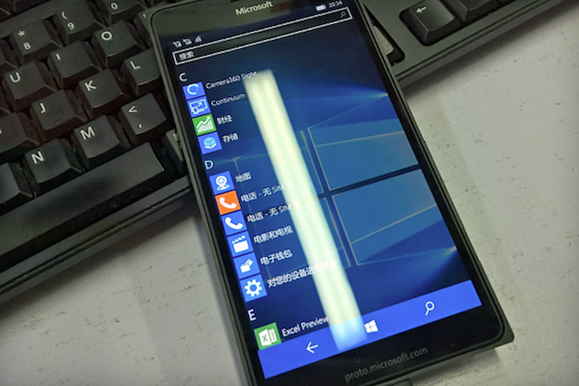
Microsoft recently confirmed that it's pulling the plug on Project Astoria, the company’s effort to easily bring Android apps to the Universal Windows Platform (UWP). Astoria was one of the fabled “bridges” that Microsoft introduced during Build 2015. Each bridge is designed to help developers port their apps to UWP, with bridges for iOS, Web, and traditional Win32 desktop apps also announced.
Those three bridges are still in development, or have already been released as is the case with the iOS and Web bridges. Astoria, however, will never see the light of day, Microsoft confirmed on Thursday.
The story behind the story: Project Astoria was the slowest bridge to roll out to developers. The tools died on the vine before they even got out to a large group for testing. In November, Microsoft said Astoria was delayed because it wasn’t ready yet. But as Ars Technica’s Peter Bright points out, Microsoft may also be dodging some tricky legal issues with Astoria. To make it work properly, Astoria had to supply alternatives to some Google APIs that weren’t part of Android’s open source code, thus opening Microsoft to legal hassles from its rival.
From Astoria to Xamarin
The news is unfortunate since many critics saw Android apps as the best chance for Windows 10 Mobile to gain a respectable catalog of apps since so little modification was required.
In fact, when a version of Project Astoria leaked last summer, many users and critics such as MSPoweruser’s Mehedi Hassan tried porting third-party apps to their personal devices. For the most part, the conversion process worked remarkably well.
Microsoft said it decided to kill Astoria because it received feedback from developers that having separate Android and iOS bridges was “unnecessary” and “confusing,” which makes almost no sense. How someone could confuse a code base for an Android app and a code base for an iOS app is unclear. It’s more likely that Microsoft was looking for a reason to kill Astoria and that’s the best they could come up with.
Microsoft is now encouraging developers to use the Windows bridge for iOS to convert existing apps to Windows. Alternatively, developers could use Xamarin, a development platform recently acquired by Microsoft, to develop apps using the .NET framework and written in C#, and then use that code to create Windows, Android, and iOS apps.
* * * |



