Green Energy
Electrek Green Energy Brief
EGEB
Climate change
oil and gas
Vermont becomes the first US state to pass a law requiring Big Oil to pay for climate damage

Michelle Lewis | May 31 2024 - 12:49 pm PT
14 Comments
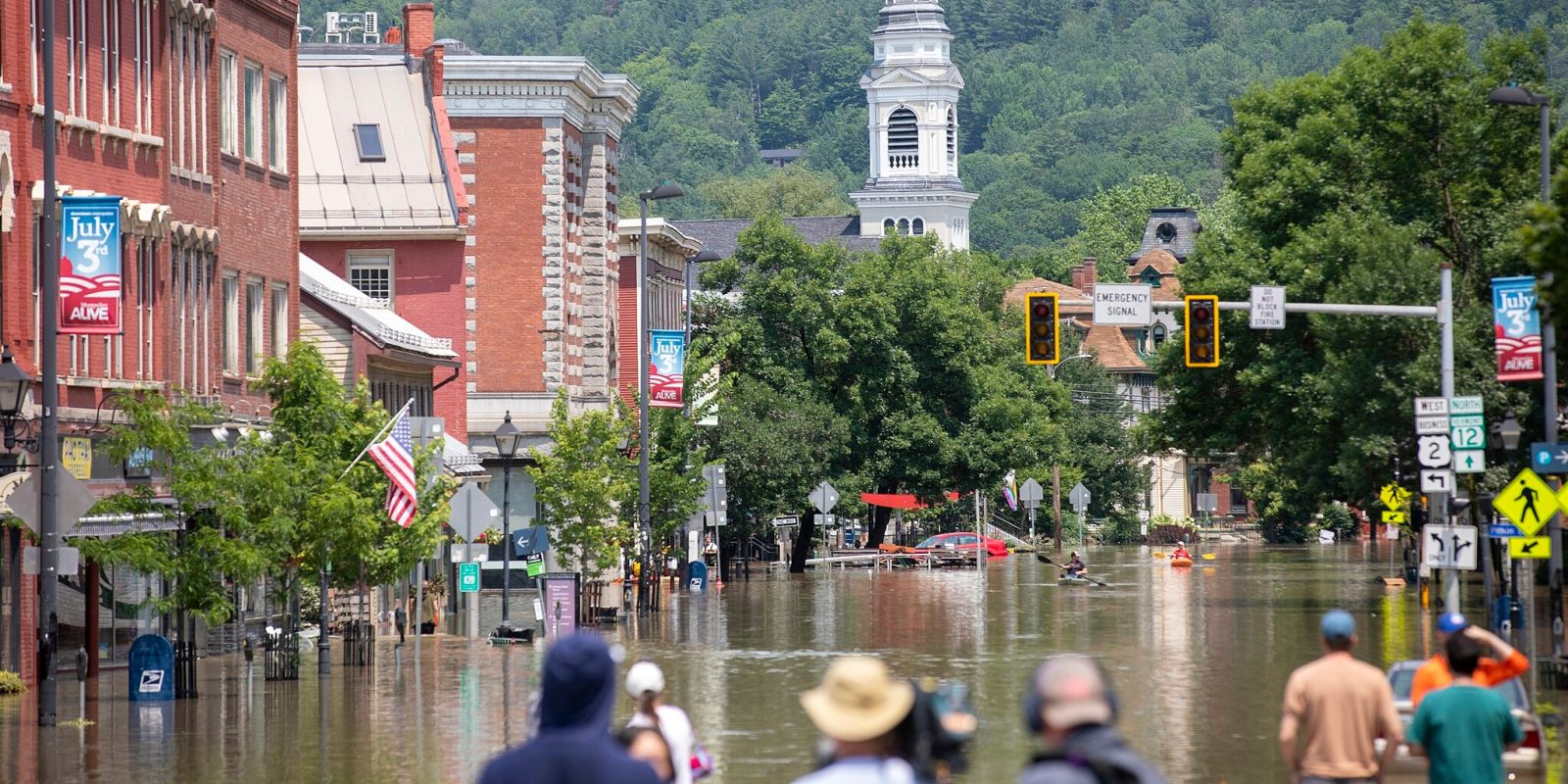 Photo: The National Guard via Creative Commons Photo: The National Guard via Creative Commons
In a historic move, Vermont has become the first US state to pass a law that makes major fossil fuel companies financially responsible for climate change damages.
What the Climate Superfund Act does
S.259, “An act relating to climate change cost recovery,” or the Climate Superfund Act, aims to create a new financial mechanism to cover the costs of climate adaptation and mitigation, ensuring that the polluters most responsible for greenhouse gas emissions pay their fair share.
Governor Phil Scott (R-VT) allowed the Climate Superfund Act to become law without his signature. He explained his reason for not signing to lawmakers [via Vermont Public]:
“I’m deeply concerned about both the short- and long-term costs and outcomes…” he said. “I’m also fearful that if we fail in this legal challenge, it will set precedent and hamper other states’ ability to recover damages.”
However, he said, “I understand the desire to seek funding to mitigate the effects of climate change that has hurt our state in so many ways.”
The Climate Superfund Act enables Vermont to seek financial compensation from oil, gas, and coal companies for damage caused by climate change. That includes repairing infrastructure damaged by extreme weather events, investing in renewable energy, and supporting communities affected by climate-related disasters.
The new law’s concept is similar to the federal Superfund law, which mandates that companies responsible for hazardous waste sites fund their cleanup. Vermont has extended this principle to the broader issue of climate change, marking a significant shift in environmental policy.
Lauren Hierl, executive director of Vermont Conservation Voters and a Montpelier city councilor, said, “Without the Climate Superfund, the costs of climate change fall entirely on taxpayers – and that’s not fair. Now, there is a law in place to require the corporations that caused the damage to pay, too.”
When state legislature was in session, Dartmouth College scientists told lawmakers that it’s scientifically possible to determine the extent to which climate change has contributed to the increased frequency and severity of extreme weather events, especially in the case of flooding.
Vermont was besieged by floods last summer, and damages are put at more than $1 billion.
Big Oil’s pushback on this landmark law
However, the Climate Superfund Act is expected to face significant legal challenges. The American Petroleum Institute (API), the top lobbying group for Big Oil, has already indicated plans to challenge the law in court. API stated in an opposition letter to the Vermont state Senate last week that the law…
… retroactively imposes costs and liability on prior activities that were legal, violates equal protection and due process rights by holding companies responsible for the actions of society at large; and is preempted by federal law.
Despite the expected legal battles, the implications of Vermont’s climate law could be far-reaching. If it withstands judicial scrutiny, it may inspire other states to adopt similar measures, creating a patchwork of state-level climate accountability laws. This could increase financial risks for fossil fuel companies and accelerate the transition to renewable energy as states seek to mitigate climate change impacts more aggressively.
Vermont’s Climate Superfund Act also shines a spotlight on the pivotal role that state governments can play in addressing climate change, particularly if federal action becomes stalled. This bold move by Vermont demonstrates the potential for state-level initiatives to drive progress in the fight against climate change.
Beginning in 2031, the state auditor will be responsible for assessing the program’s financial impact on Vermonters every five years.
The treasurer’s office must complete its estimate of Vermont’s climate change costs by January 2026, and the Agency of Natural Resources must submit an adaptation plan by July 2025.
Read more: Vermont just passed a 100% renewable electricity mandate
electrek.co |



