Rooftop solar meets 107.5 pct of South Australia’s demand, no emergency measures needed
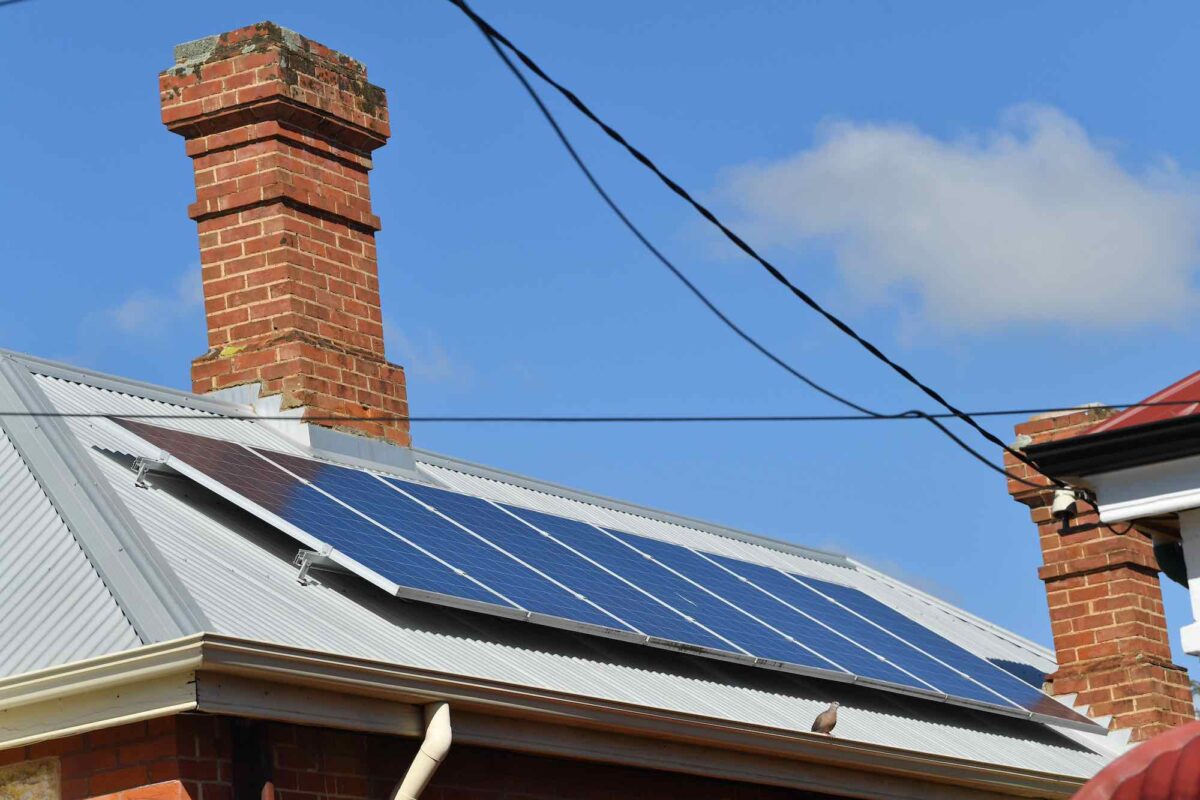
(AAP Image/David Mariuz) NO ARCHIVING
Giles Parkinson
Nov 18, 2024
13
Chart of the day
Rooftop PV
Solar
Rooftop solar output has broken through the 100 per cent grid demand barrier in South Australia again, this time reaching a peak penetration of 107.5 per cent of state demand in the early afternoon on Sunday.
It’s not the first time this has happened – the state broker through the 100 per cent rooftop PV milestone for the first time on New Year’s Eve in 2023 – and nor is it a record, that occurred last month when rooftop PV hit a record 112.9 per cent of state demand.
But it is interesting in context of what promises to be an increasingly spiky debate around the future of renewables in Australia, with the fossil fuel industry ramping up its campaign – with the help of Murdoch media – as technology trends point increasingly to a dominant role in the grid for household assets, be they rooftop PV, household batteries or EVs.
The rooftop solar peak on Sunday afternoon coincided with a fall in what the Australian Energy Market Operator describes as operational demand to minus (minus) 45 megawatts.

Source: OpenNEM.
However, any emergency measures such as instructing the state’s fleet of big batteries to discharge and stand by to create new load, or for a more dramatic curtailing of rooftop solar output, was not needed.
That’s because the state was able to export around 658 MW of capacity to Victoria at the time (less than one megawatt was being sucked up by battery storage), and the total share of renewables was 136 per cent of grid demand. Just 82 MW of flexible fossil gas was being used to ensure all essential grid service were provided.
It is likely that any such action, flagged through a Minimum System Load event, will only ever occur if there are network limitations at the same time.
The export capacity is expected to increase significantly as the new transmission link to NSW, Project EnergyConnect, is completed and energised. The first stage of the that project, to Buronga in NSW, is going through testing now and should be able to allow an extra 150 MW to be transferred in either direction by Christmas.
reneweconomy.com.au |



