Since 2008, milk production has surged by 13%, but domestic demand for milk has dropped sharply. As demand decreases, the price of milk drops, and farmers receive less per gallon produced. This appears to have pushed farmers to produce even more milk to make up the shortfalls in their income, exacerbating the problem.
American diets are moving away from processed cheeses like Velveeta and Kraft, and many of the nation’s leading fast and casual restaurants are trying new things. Panera, like others, has replaced American cheese in their sandwiches with a four-cheese combo made up of fontina, cheddar, monteau and smoked gouda.
At the end of November 2018, US cheese production had grown yet again for the 67th consecutive month. But Americans are also eating far less processed cheese. In part, that’s because many Americans now think processed cheese is gross, but also because they’re au fait with quality cheese from around the world. It’s hard to turn back to an indestructible fluorescent orange mess once you’ve tried brie de meaux. “We’re seeing increased sales of more exotic, specialty, European-style cheeses. Some of those are made in the US; a lot of them aren’t,” Andrew Novakovic, a professor of agricultural economics at Cornell University told NPR this week. Since imported cheese costs more than domestic, a few blocks of the good stuff might not leave much left in the old cheese budget for anything else.
The cheese mountain is crushing farmers. “We’ve seen record numbers of dairy farms close because milk prices are so low that dairy farms aren’t profitable any more,” Feueff added. “This cheese that is hanging over the market is preventing prices from raising higher and it’s reaching a critical level.”
Trump’s trade policy has also played a major role in the cheesepocalypse. In response to his tariffs, three top importers of US milk and cheese products – Mexico, Canada and China – have instituted retaliatory tariffs that will have a significant impact on American dairy farmers’ bottom line, according to a study from Texas A&M University.
\ 
“As long as the tariffs are still on in Mexico, it remains a challenge to move cheese out of the country and move those stocks lower,” Fuess explained. “Fast-food companies are using low cheese prices to increase cheese on their dishes,” says Fuess. McDonald’s launched a breakfast sandwich with two slices of American cheese replacing some of the more costly egg.
A new product in China is cheese tea, which is tea topped with a foamy layer of milk and cream cheese,” Fuess said. “Maybe we need to look into that.”
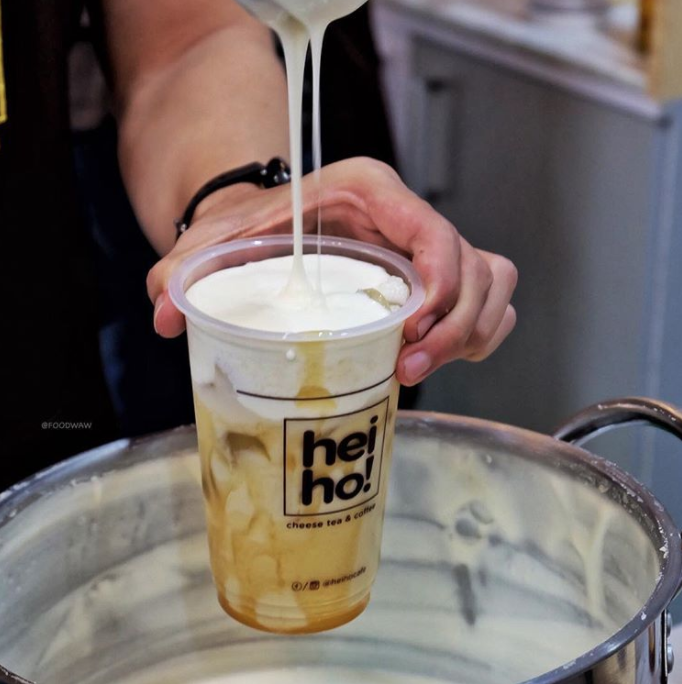
More Cheese Tea, please.

Even the zoo in Huebei has found it's cheaper to feed tigers cheese rather than meat.
 |



