Ukraine matters very much-much more than does Afghanistan, and Afghanistan matters a lot
Re Ukraine tally you cited, add Neon (Ne), a noble gas, produced in the Ukraines ~70-90% of global requirement
Am going to guess that sanctioning Russia by means financial is (1) unlikely to work, and (2) very extremely damaging, but (3) deemed by enough winging-it to be worth a try, without thinking through the logical chain of reaction functions.
The initial heat of surprising war is typically not helpful to clear thinking.
news.ycombinator.com
reuters.com
Ukraine war flashes neon warning lights for chips
Reuters
February 24, 20229:57 PM GMT+8Last Updated 2 days ago
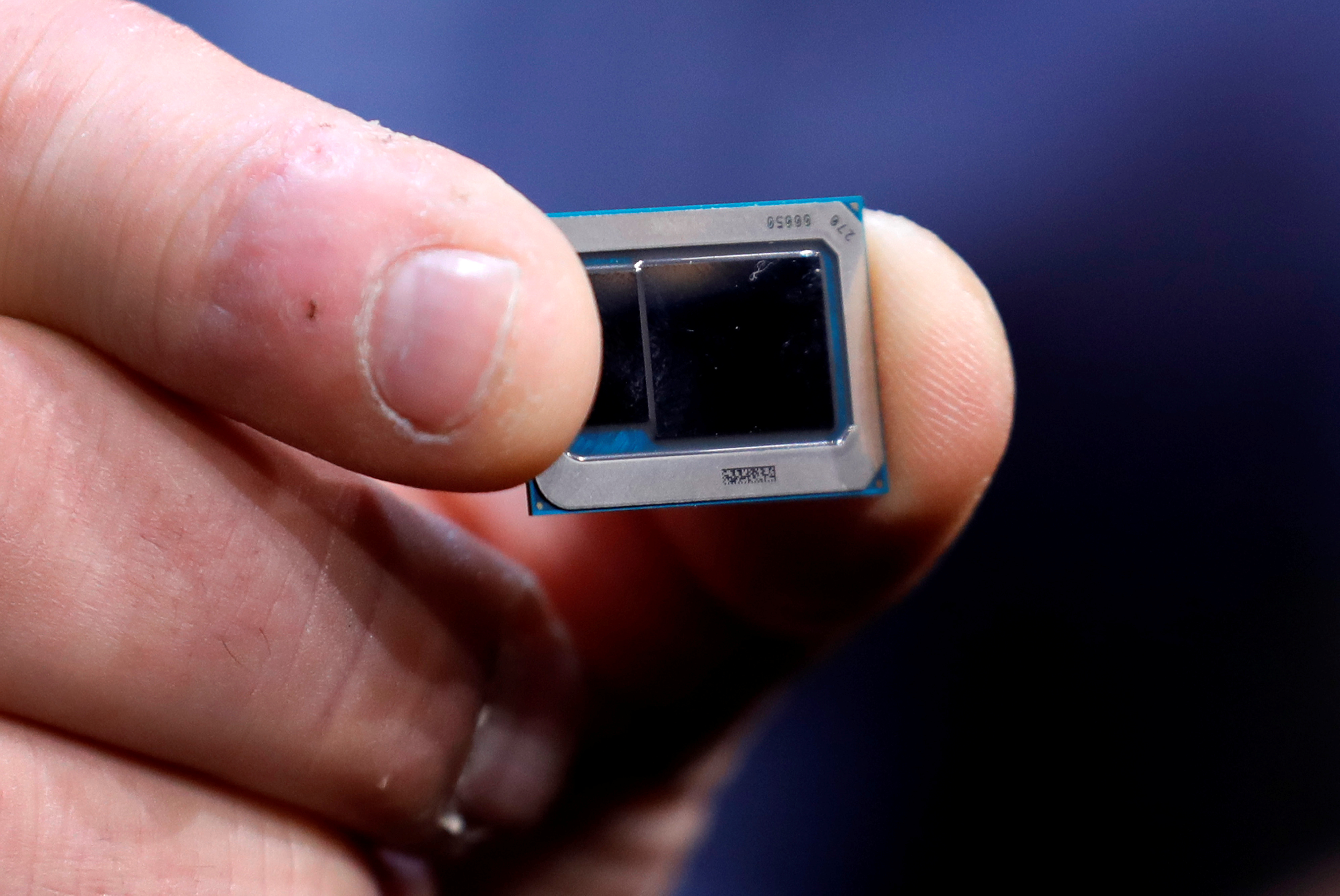
MILAN, Feb 24 (Reuters Breakingviews) - Russia’s invasion of Ukraine read more by land, air and sea risks reverberating across the global chip industry and exacerbating current supply-chain constraints. Ukraine is a major producer of neon gas critical for lasers used in chipmaking and supplies more than 90% of U.S. semiconductor-grade neon, according to estimates from research firm Techcet. About 35% of palladium, a rare metal also used for semiconductors, is sourced from Russia. A full-scale conflict disrupting exports of these elements might hit players like Intel , which gets about 50% of its neon from Eastern Europe according to JPMorgan.
The pain won’t fall evenly. ASML (ASML.AS), which supplies machines to semiconductor makers, sources less than 20% of the gases it uses from the crisis-hit countries. Companies may turn to China, the United States and Canada to boost supplies, says JPMorgan. But this may be a slow path. Although the chipmaking industry was able to manage an increase in neon prices stemming from the 2014 Crimean crisis, the scale of today’s conflict looks much larger. (By Lisa Jucca)
Breakingviews
Reuters Breakingviews is the world's leading source of agenda-setting financial insight. As the Reuters brand for financial commentary, we dissect the big business and economic stories as they break around the world every day. A global team of about 30 correspondents in New York, London, Hong Kong and other major cities provides expert analysis in real time.
Sign up for a free trial of our full service at breakingviews.com and follow us on Twitter @Breakingviews and at www.breakingviews.com. All opinions expressed are those of the authors.
Sent from my iPad
washingtonpost.com
Chipmakers Need a Supply Chain That Avoids Ukraine
Vulnerable to disruption. (Photographer: Bloomberg/Bloomberg)
Yesterday at 11:05 a.m. EST
The crisis in Ukraine is a stark reminder of a major flaw in the chip industry’s global supply chain: single sourcing for critical supplies.
As Russia launched an all-out attack against Ukraine early Thursday, semiconductor makers and tech hardware manufacturers were confronting the prospect that a protracted conflict would interrupt the exports of neon gas, a relatively obscure yet vital component of the chipmaking process.
Sent from my iPad |



