Read info below and note projects with 98 to 99 purity from simple float have lowest cost typically.
I suggested months ago for some to learn about the science of things. It can be your best friend when reading pump or dump boards. but to be fair, there are good posters with knowledge but you don't know who they are unless you learn what they have learned.
See below and you will realize that CCB can in fact, chase their veins as needed. And being a niche product gives them the room to only base themselves on attraction, rather than promotion.
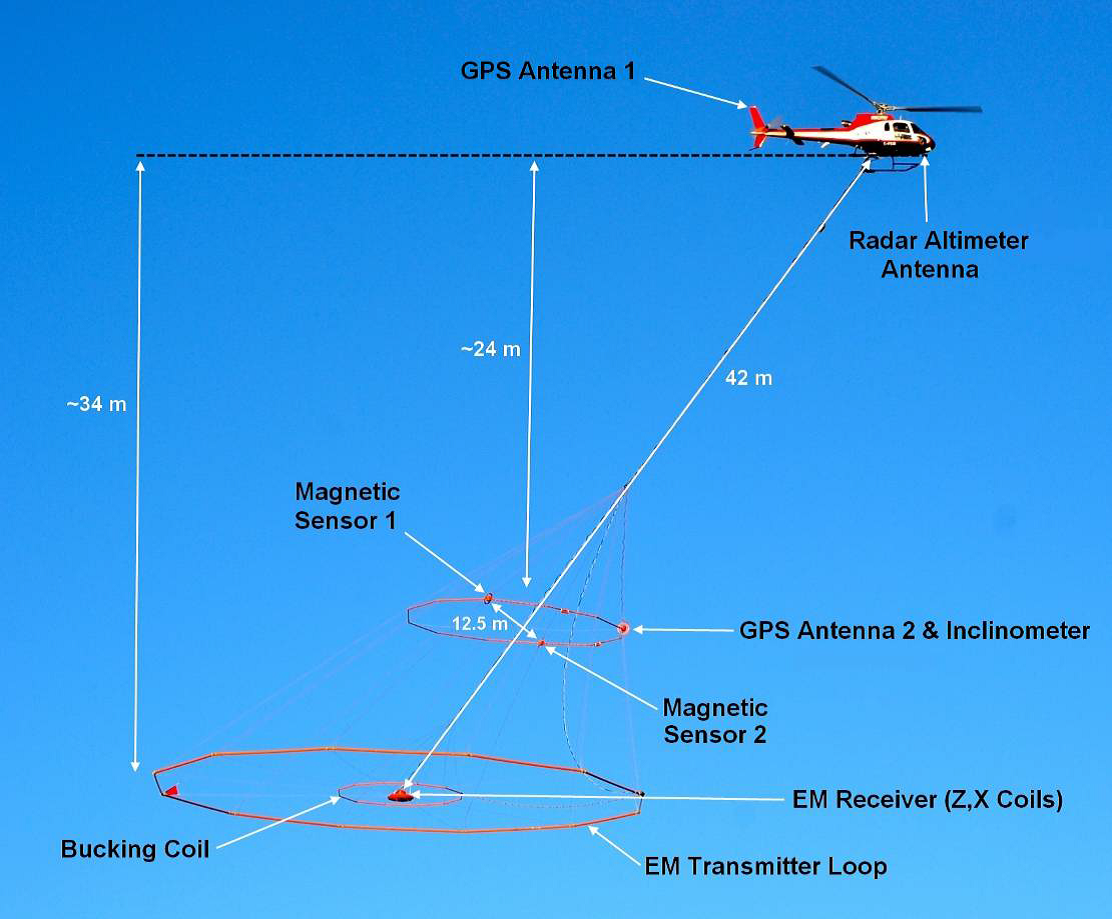 Some technical reading below but note graphite is a conductive form of carbon and electromagnetic surveys have historically been successful in detecting occurrences at ground level and from the air. Some technical reading below but note graphite is a conductive form of carbon and electromagnetic surveys have historically been successful in detecting occurrences at ground level and from the air.
In fact, the worlds biggest vein deposit is being subjected to this method to discover the veins. And CCB has been doing it and finding it.
Vein graphite is known under various names including crystalline vein, Plumbago, Sri Lankan graphite, and Ceylon graphite. The name "Sri Lankan" and "Ceylon" are commonly used for vein graphite since the island nation of Sri Lanka (formerly Ceylon) is the only area to produce this material in commercial quantities. Serious mining and exportation of Ceylon graphite began about 1824, however the unusual deposits of Ceylon have been known, and apparently used locally, since the middle of the1600s.
Due to the natural fluid-to-solid deposition process, vein graphite deposits are typically above 90% pure with some vein graphite reaching 99.5% graphitic carbon in the "as found" state. This level of purity is possible
because the deposition of carbon occurs as a precipitation of solid carbon from a geologic fluid that is traversing emplaced rock. There is no intimate mixing or association of the graphite with country rock as in conventional flake graphite deposits were the non-carbon and carbon phases may be deposited contemporaneously.
Typical veins measure from centimetres to nearly 2m in thickness with the highest purity material being located toward the centre of the vein away from contact with the wall rock. Vein graphite is mined using conventional shaft or surface methods typically used to mine vein-type deposits.
Vein graphite is available in sizes ranging from 8cm lumps to powder as fine as 5-micrometers. Products covering the range of purity from 94% graphitic carbon to 99% graphitic carbon are commonly available. In many applications vein graphite may offer superior performance since it has slightly higher thermal and electrical conductivity, which result from its high degree of crystalline perfection. Vein graphite also has the highest degree of cohesive integrity of all natural graphite materials. High cohesive "energy" means that vein graphite is easy to mould and can be formed into solid shapes without the aid of a binder addition
|



