SI
SI
discoversearch

We've detected that you're using an ad content blocking browser plug-in or feature. Ads provide a critical source of revenue to the continued operation of Silicon Investor.  We ask that you disable ad blocking while on Silicon Investor in the best interests of our community.  If you are not using an ad blocker but are still receiving this message, make sure your browser's tracking protection is set to the 'standard' level.
Politics : View from the Center and Left

 Public ReplyPrvt ReplyMark as Last ReadFilePrevious 10Next 10PreviousNext  
To: stsimon who wrote (317349)11/9/2016 7:13:07 PM
From: bentway  Read Replies (1) of 542437
 
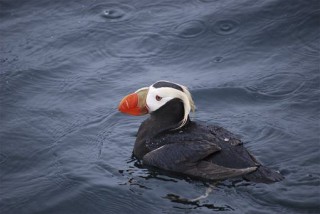
Puffins Are Starving to Death in Incredible Numbers

And that's a bad sign for all animal life in the Bering Sea

By Michael Harthorne, Newser Staff
newser.com

(NEWSER) – Dead puffins are washing up on the shores of an island in the Bering Sea at an alarming rate, National Geographicreports. "In 10 years of monitoring, we've only seen six puffins wash in—total," a professor who coordinates a West Coast volunteer bird-monitoring network says. "Now we've seen nearly 250 in 20 days." Scientists believe the actual number of dead puffins is much higher, to the point that half the puffin population in the North Pacific may be dead. The cause is no great mystery: The birds are simply starving to death. And scientists are concerned what that means for other animal populations in the Bering Sea, which provides a good chunk of North America's seafood, from crab to salmon to the pollock found in fish sticks.

The culprit appears to be water temperatures that were "off-the-charts warm" this year, according to NOAA ecologist Nata Mantua. Even the normally chill water found at the bottom of the Bering Sea was 6 degrees Celsius above normal. "We've never seen anything like this," Mantua says. "We're in uncharted territory." The warm water not only killed of the fatty zooplankton fish rely on for food, but almost all zoo plankton. "This year there just wasn't much of anything." NOAA's Phyllis Stabeno says. The loss of zooplankton hurt fish populations, which meant less food for mammals and birds. The emaciated puffins washing ashore are likely just a sign of a much worse problem below the water's surface. Read the full story here.
Report TOU ViolationShare This Post
 Public ReplyPrvt ReplyMark as Last ReadFilePrevious 10Next 10PreviousNext