suitX launches lightweight and affordable exoskeleton
The Phoenix can help people walk again.
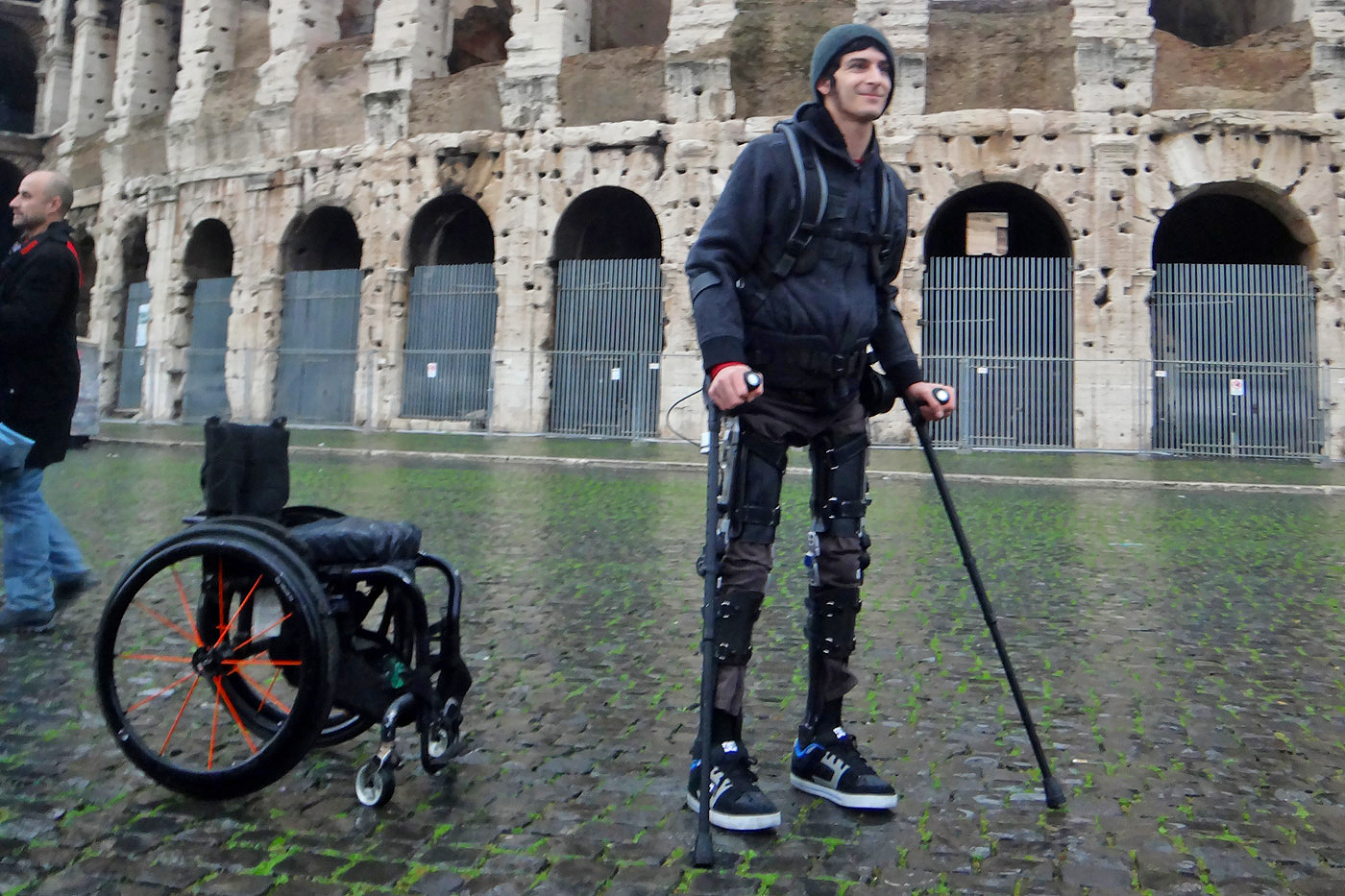
suitX, the robotics company out of University of California, Berkeley's Human Engineering Lab has launched its first exoskeleton after years of development. It's called Phoenix, a relatively lightweight and affordable device that can help people with mobility disorders walk again. The wearable robot is adjustable according to size and can be put on and removed piece by piece. Its battery can power four hours of continuous walking (at a max speed of 1.1 mph) and up to eight hours of intermittent movement. Best of all, the Phoenix weighs only 27 pounds and costs $40,000.
Now, 40k is nothing to sneeze at, but its competitors cost much, much more than that. ReWalk, the most familiar one, will set you back $77,000. Even Ekso Bionics, which was also founded by suitX CEO Dr. Homayoon Kazerooni, sold exoskeletons for over $100,000 apiece. Dr. Kazerooni was involved in many otherexoskeleton projects in the past, but he and some graduate students "started suitX out of [their] passion to develop low-cost consumer bionic products to improve the quality of life for people around the world." suitX is now accepting pre-orders and aiming to ship out the first units in March.
The company, by the way, is competing for the grand prize at the Robotics for Good Competition. It submitted a proposal for an exoskeleton model for kids with neurological conditions like cerebral palsy and spina bifida. This pediatric model will teach children how to walk, as you can see below: |



