Shroud of Turin...continuing debate
New 3D analysis suggests Shroud of Turin image is not Jesus’ body, but a disguised sculpted artwork
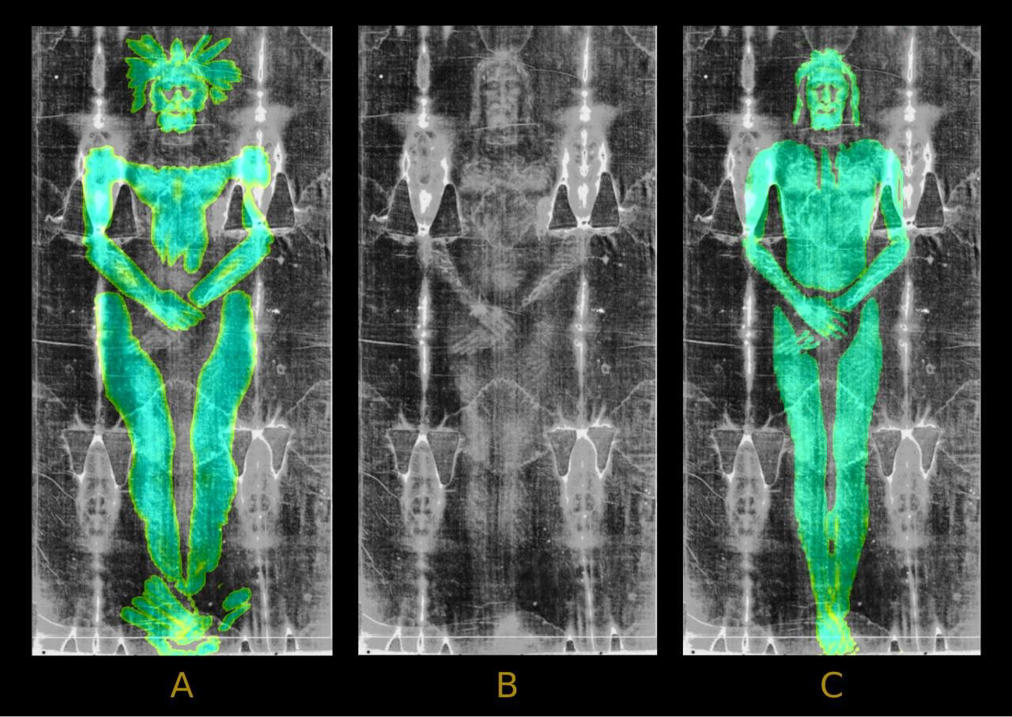
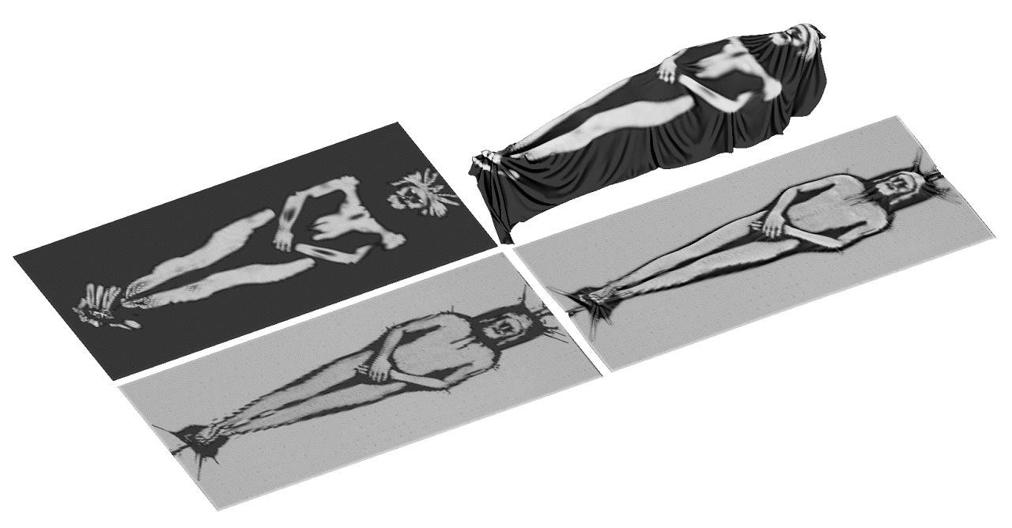
- Brazilian researcher Cicero Moraes suggests the Shroud’s image may come from a low-relief sculpture, not a real human body, using simulations with Blender, MakeHuman, and CloudCompare.
- The Shroud first appeared in 1354, with 1988 radiocarbon tests dating it to the 13th–14th century, though some argue samples may reflect medieval repairs.
- Cloth draped over sculpted surfaces aligns better with the Shroud’s proportions than a real body, supporting the idea of medieval artistic methods like pigment or heat transfer.
Using open-source tools like MakeHuman, Blender, and CloudCompare, Moraes ran simulations to study how cloth interacts with both a 3D human body and a shallow sculpted surface. The cloth draped over a volumetric form produced noticeable distortions—too wide, too asymmetrical—to match the image on the Shroud.
Some researchers, including those affiliated with the Shroud of Turin Education and Research Association (STERA), argue the tested material may have come from a medieval repair, not the original linen. Though unproven, this critique has kept skepticism of the 1988 results alive.
A more recent 2022 study, using wide-angle X-ray scattering (WAXS), compared the linen’s molecular degradation to samples from known historical periods. The researchers found the Shroud’s fibers were “fully compatible” with a linen cloth dated between 55 and 74 CE. They cautioned that the results didn’t prove authenticity but showed that environmental factors might have skewed earlier carbon dates.
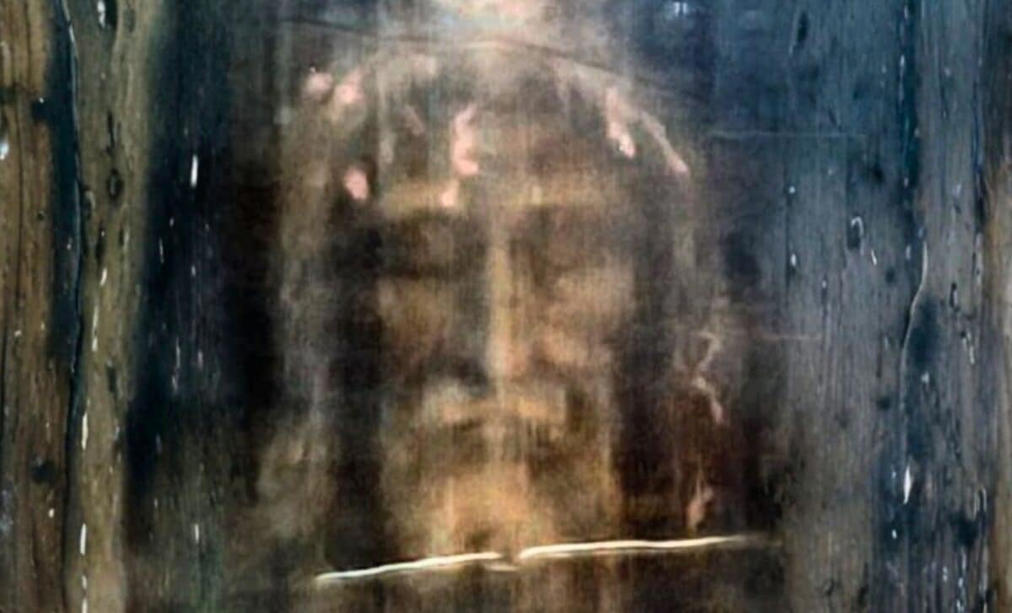
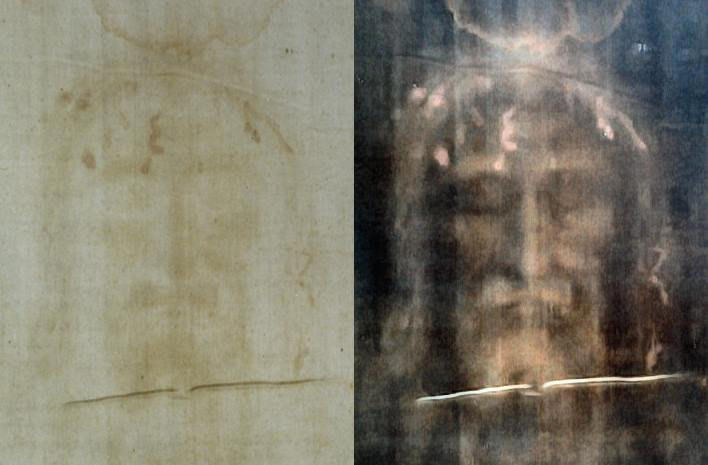
Mystery of the Image Remains UnsolvedDespite decades of research, scientists still haven’t definitively explained how the Shroud’s image was formed. The 1978 STURP investigation concluded the image was not the result of paint, dye, or heat scorch, and described it as a superficial discoloration with no evidence of brushwork. That conclusion, though controversial, remains part of the foundation for authenticity claims.
  |



