Oh, right; commies. Of course. It makes perfect sense. That would explain the red hair.
#BlackLivesMatter: the birth of a new civil rights movement
How a new generation of tech-savvy activists made violence against African Americans into global headline news
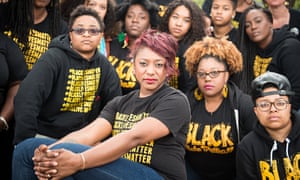
Alicia Garza, one of the founders of the #BlackLivesMatter movement, and fellow activists. Photograph: Kristin Little Photography
Alicia Garza was in a bar in Oakland, California, drinking bourbon when the verdict came in. It was July 2013 and she had been following the trial of George Zimmerman, a neighbourhood watch volunteer in Sanford, Florida, who had shot dead a 17-year-old African-American by the name of Trayvon Martin in February of the preceding year. Martin had been unarmed, on his way back from a 7/11 convenience store where he had just bought himself an iced tea and a bag of Skittles.
There had, of course, been shootings of young black men before. But this one had a particular resonance. Garza had a younger brother of a similar height and build to Martin. She felt it could just as easily have been him.
In the bar, Garza, her husband and her two friends had been checking their phones for updates from the trial. The jury had been deliberating for 16 hours on Zimmerman’s fate. When the verdict was announced, she learned of it first through Facebook: not guilty of second degree murder and acquitted of manslaughter.
“Everything went quiet, everything and everyone,” Garza says now. “And then people started to leave en masse. The one thing I remember from that evening, other than crying myself to sleep that night, was the way in which as a black person, I felt incredibly vulnerable, incredibly exposed and incredibly enraged. Seeing these black people leaving the bar, and it was like we couldn’t look at each other. We were carrying this burden around with us every day: of racism and white supremacy. It was a verdict that said: black people are not safe in America.”
Garza logged on to Facebook. She wrote an impassioned online message, “essentially a love note to black people”, and posted it on her page. It ended with: “Black people. I love you. I love us. Our lives matter.”
Garza’s close friend, Patrisse Cullors, read the post in a motel room 300 miles away from Oakland that same night. Cullors, also a community organiser working in prison reform, started sharing Garza’s words with her friends online. She used a hashtag each time she reposted: #blacklivesmatter. The following day, Garza and Cullors spoke about how they could organise a campaign around these sentiments.
“A call to action,” says Garza. “To make sure we are creating a world where black lives actually do matter.”
They reached out to Opal Tometi, another activist they knew in the field of immigrant rights. The three women started by setting up Tumblr and Twitter accounts and encouraging users to share stories of why #blacklivesmatter. Garza made protest signs with block capital letters and put them in the window of a local shoe shop. Cullors led a march down Rodeo Drive in Beverly Hills with a banner emblazoned with the same hashtag. The slogan started gaining traction.
theguardian.com |



