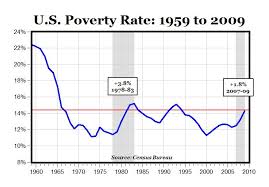
"The war on poverty was lost on 1/20/81
Do you know if there are government housing projects in E. Palo Alto now?"
Not now, not any the army moved out
With the outbreak of WW I, the north side of East Palo Alto became a military training ground with only the V.A. hospital in Menlo Park still extant. In the 1940s, East Palo Alto was a farming community with many Japanese residents. During the war, the Japanese were forced into internment camps and they lost their land, belongings, and livelihoods. After the war, many African-American families were diverted to EPA, and during the civil rights movement of the 1960s, there was a cultural re-awakening. The city was almost renamed Nairobi in 1968 to reflect its population's African roots. [13] [14]
There were 7,819 housing units at an average density of 2,992.9 per square mile (1,155.6/km²), of which 2,971 (42.8%) were owner-occupied, and 3,969 (57.2%) were occupied by renters. The homeowner vacancy rate was 2.1%; the rental vacancy rate was 13.3%. 12,628 people (44.9% of the population) lived in owner-occupied housing units and 15,373 people (54.6%) lived in rental housing units.
en.wikipedia.org |



