I hate to admit it but Kerry was right. It does take an act of congress to declare war but otherwise, the Commander In Chief of the Armed forces can deploy forces where ever he thinks best and engage them in operations according to his own judgement. That is simply the job and for what it is worth we haven't officially been in a war with anyone for almost 80 years.
On the other hand Obama declared in a campaign speech that congressional authorization is necessary.
“The president does not have power under the Constitution to unilaterally authorize a military attack in a situation that does not involve stopping an actual or imminent threat to the nation,” candidate Obama told The Boston Globe in late 2007. He added that the president can only act unilaterally in “instances of self-defense.”
US wars?... not since 1942
==========================================
Official Declarations of War by Congress
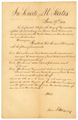
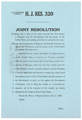
The Constitution grants Congress the sole power to declare war. Congress has declared war on 11 occasions, including its first declaration of war with Great Britain in 1812. Congress approved its last formal declaration of war during World War II. Since that time it has agreed to resolutions authorizing the use of military force and continues to shape U.S. military policy through appropriations and oversight.
 Declaration of War with Great Britain, 1812 Declaration of War with Great Britain, 1812
On June 17, 1812, Congress approved a resolution declaring war with Great Britain. The Senate approved the resolution by a vote of 19-13.
Declaration of War with Mexico, 1846
On May 12, 1846, Congress approved a resolution declaring war with Mexico. The Senate approved the resolution by a vote of 40-2.
Declaration of War with Spain, 1898
On April 25, 1898, Congress approved a resolution declaring war with Spain.
Declaration of War with Germany, 1917
On April 6, 1917, Congress approved a resolution declaring war with Germany. The Senate approved the resolution by a vote of 82-6 on April 4, 1917.
Declaration of War with Austria-Hungary, 1917
On December 7, 1917, Congress approved a resolution declaring war with Austria-Hungary. The Senate unanimously approved the resolution, 74-0.
Declaration of War with Japan, 1941
On December 8, 1941, Congress approved a resolution declaring war with Japan. The Senate unanimously approved the resolution, 82-0.
Declaration of War with Germany, 1941
On December 11, 1941, Congress approved a resolution declaring war with Germany. The Senate unanimously approved the resolution, 88-0.
Declaration of War with Italy, 1941
On December 11, 1941, Congress approved a resolution declaring war with Italy. The Senate unanimously approved the resolution, 90-0.
Declaration of War with Bulgaria, 1942
On June 4, 1942, Congress approved a resolution declaring war with Bulgaria. The Senate unanimously approved the resolution, 73-0.
Declaration of War with Hungary, 1942
On June 4, 1942, the Senate approved a resolution declaring war with Hungary. The Senate unanimously approved the resolution, 73-0.
Declaration of War with Rumania, 1942
On June 4, 1942, the Senate approved a resolution declaring war with Rumania. The Senate unanimously approved the resolution, 73-0.
senate.gov |