SI
SI
discoversearch

We've detected that you're using an ad content blocking browser plug-in or feature. Ads provide a critical source of revenue to the continued operation of Silicon Investor.  We ask that you disable ad blocking while on Silicon Investor in the best interests of our community.  If you are not using an ad blocker but are still receiving this message, make sure your browser's tracking protection is set to the 'standard' level.
Politics : Formerly About Advanced Micro Devices

 Public ReplyPrvt ReplyMark as Last ReadFilePrevious 10Next 10PreviousNext  
To: tejek who wrote (835593)2/10/2015 11:48:34 AM
From: Wharf Rat  Read Replies (1) of 1576236
 
Mass. is what happen when warm air hits a cold front.


Warmer Air And Water Juicing Snowstorms in New England?


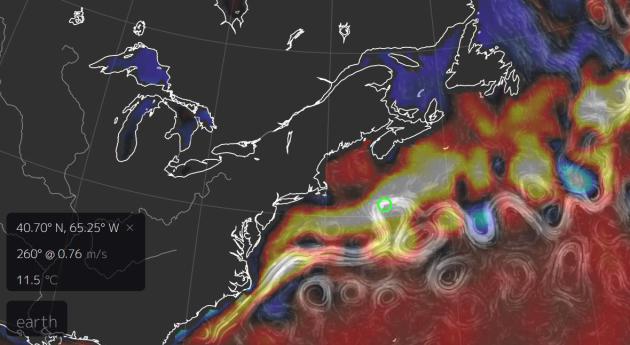
Since 1958 there has been a 71% increase in the most extreme precipitation events (rain and snow) across New England. Warmer air holds more water vapor, increasing the potential for record amounts of precipitation. Here's an excerpt of a post from Climate Nexus: "As you prepare to report on what is now the fifth in a series of snowstorms affecting southern New England, please consider some of the following information on the costs of extreme snow events and how climate change is linked to extreme events of this nature. Having received 61 inches so far this winter, Boston has already broken it’s 30-day snowfall record, and is now preparing for another two feet this week. Governor Baker said that enough snow has been plowed to fill the Patriot’s stadium 90 times. Snowstorms are an expected feature of winter weather in the Northeast, but the recent spate of storms in the region exhibits the fingerprints of climate change in several distinct ways. Above average sea surface temperatures add energy to the system, creating a stronger contrast with the cold front. That temperature gradient powers the storm, so a stronger gradient means a stronger storm. Also, warmer air holds more moisture, resulting in more precipitation..."

* graphic above courtesy of earth.nullschool.net shows Gulf Stream water temperature anomalies 11.5C warmer than average, roughly 14-15F warmer than average for early February.
Report TOU ViolationShare This Post
 Public ReplyPrvt ReplyMark as Last ReadFilePrevious 10Next 10PreviousNext