New study reveals how global warming is affecting crop nutrient quality
Saturday, 13 June 2015 - 6:50pm IST | Place: Washington | Agency: ANI
A new study has suggested that increased carbon dioxide levels in air, due to global warming, restrict plants' ability to absorb nutrients.
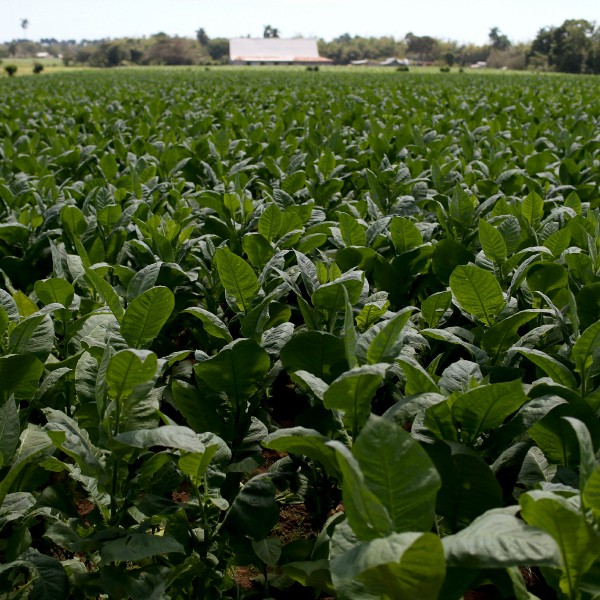 Getty Images Getty Images
A new study has suggested that increased carbon dioxide levels in air, due to global warming, restrict plants' ability to absorb nutrients.
Researchers at the University of Gothenburg revealed that the concentration of nitrogen in plants' tissue is lower in air with high levels of carbon dioxide, regardless of whether or not the plants' growth is stimulated. The study examines various types of ecosystems, including crops, grasslands and forests, and involves large-scale field experiments conducted in eight countries on four continents.
Researcher Johan Uddling said that the findings are unequivocal. The nitrogen content in the crops is reduced in atmospheres with raised carbon dioxide levels in all three ecosystem types. Furthermore, they can see that this negative effect exists regardless of whether or not the plants' growth increases, and even if fertiliser is added. This is unexpected and new.
When carbon dioxide levels in the air increase, crops in future will have reduced nitrogen content, and therefore reduced proteinlevels. The study found this for wheat and rice, the two most important crops globally. The study also reveals that the strength of the effect varies in different species of grassland, which may impact on the species composition of these ecosystems.
For all types of ecosystem the results show that high carbon dioxide levels can impede plants' ability to absorb nitrogen, and that this negative effect is partly why raised carbon dioxide has a marginal or non-existent effect on growth in many ecosystems, added Uddling.
The study is published in the journal Global Change Biology.
dnaindia.com |



