Nixon was pardoned for Watergate, but 40 subordinates were indicted. A dozen people were convicted or pled guilty over Iran-Contra.
This is still, and will remain, a nation of laws. A Presidential order will not prevail over American law over the long run. Trump's non-disclosure agreements he makes people sign will not protect anyone from perjury or obstructions of justice charges,
Advice for Those Weighing Jobs in the Trump Administration Assessing the risks of service
Alex Brandon / AP
DAVID FRUM JAN 28, 2017
Some 40 people were indicted as a result of the Watergate scandal. Among those sentenced to prison: the attorney general of the United States, the White House counsel, and President Nixon’s two most senior White House aides. A dozen men were convicted or pled guilty to a range of charges after the Iran-Contra affair.
White Houses can be dangerous places under leadership that does not respect the law. When friends ask me, “Should I accept a job under President Trump?” it’s not merely a philosophical question. Answer the question wrong, and they may find themselves two or three years later facing a congressional investigation or possibly even a grand jury. Even those who never face charges—let alone conviction—can see their lives up-ended: As the saying goes, in Washington, the process is the punishment.
So how should a public-spirited person respond to an invitation to serve the country during the Trump years?
Let’s start by assessing the four basic risks:
1) This administration has begun its career by shredding post-Watergate ethical standards. Trump has not effectively severed his connections to his business interests. He will not release his tax returns. The Trump Organization seems—at best—indifferent to appearances of commercial exploitation of the presidency. Anybody in the vicinity of Trump's finances, or those of his family, stands in danger of being caught in some future scandal, including tax and corruption investigations.
[ That is a CERTAINTY! And it's ALL Trump's doing. If his subordinates end up in legal trouble, Donald Trump won't give a flying you know what. ]
2) There remain disturbing unanswered questions about the relationship between the Trump campaign and Russian spy services. The new national security adviser, Michael Flynn, accepted payments from RT, the Russian state propaganda network. (He has refused to disclose the amount.) The legal hazards presented by clandestine contacts with hostile foreign governments are even more alarming than those connected to financial wrongdoing.
[ We're talking life sentences here. ]
3) This administration lies a lot. Lying by public officials is usually unethical, but not always illegal. As White House senior counselor Kellyanne Conway said during the Trump transition: “Nobody on TV is ever under oath.” But there are times when administration officials do speak under oath. Lying then becomes perjury. Lying to Congress is always illegal, whether under oath or not. People who habitually lie, lie habitually. Those who work with them can face trouble, even possibly obstruction of charges if they enable such lying: President Clinton’s White House counsel Bernie Nussbaum had to resign under fire in 1994 after other government officials alleged that his legal advice in the Whitewater matter amounted to the organization of a coverup.
[ Trump is a MAN OF LIES and he will demand his subordinates LIE for him. Perjury and obstruction of justice will continue to remain crimes regardless of who the President is. Merely encouraging others to commit what is later found to be perjury or obstruction of justice will put people in legal peril. Trump's non-existent ethics will taint his administration. His administration will be the most scandal ridden in American history with the highest number of indictments. ]
4) Sometimes new administrations find themselves obliged to execute laws they disagree with. Changing the law can be slow. Ignoring the law takes much less time—but also opens the door to trouble. Ronald Reagan’s first EPA chief, Ann Gorsuch, entered history in 1982 as the first agency head to be cited for contempt of Congress. Gorsuch believed that the Carter administration had imposed excessive regulatory burdens. So she simply disregarded them. Convinced, for example, that the inherited rules on lead standards in gasoline were too onerous, she assured one refiner that she would leave the rule unenforced until such time as it could be amended. Gorsuch not only ended in disgrace herself, but embroiled two of her subordinates in perjury investigations.
So what is a patriotic American who’s been asked to serve to do? A few suggestions.
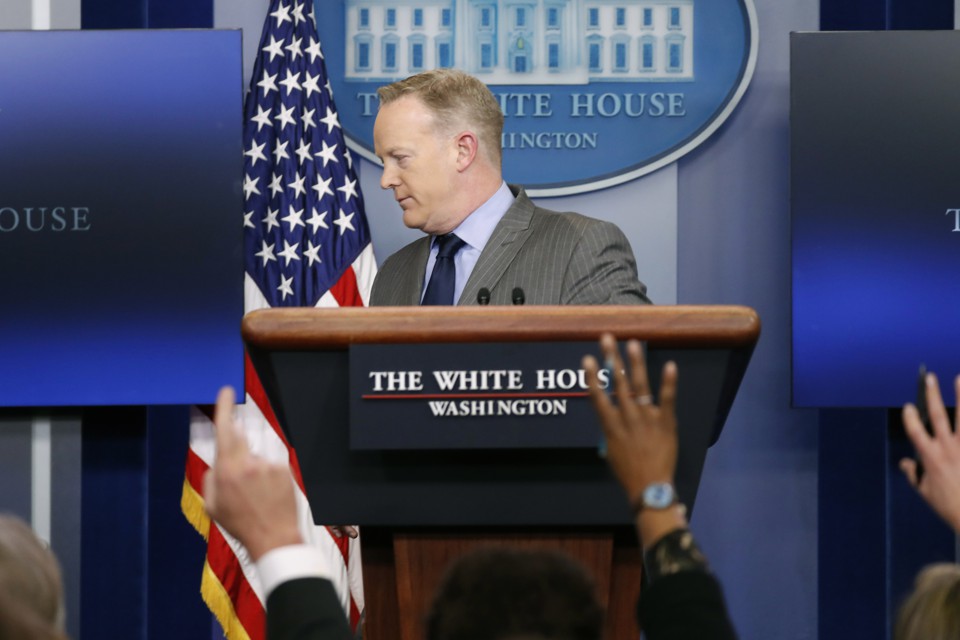
A law-abiding person will want to stay as far as possible from the personal service of President Trump. As demonstrated by the sad example of Press Secretary Sean Spicer spouting glaring lies on his first day on the job, this president will demand that his aides do improper things—and the low standards of integrity in Trump's entourage create a culture of conformity to those demands.
A wise patriot might be wary of working directly for or near Flynn or anybody else tied to the Russian state, the entities it controls, or Russian business interests. The National Security Council staff has engorged itself to such an enormous size in recent years—now some 400 people—that there are many important roles to fill, safely firewalled away from Flynn.
The Atlantic |



