"We could design structures to incorporate rising sea levels, designed to remain stable with the first floor or two under water"
Yesterday, I returned this to the bookmobile. In this future, the old buildings weren't stable.
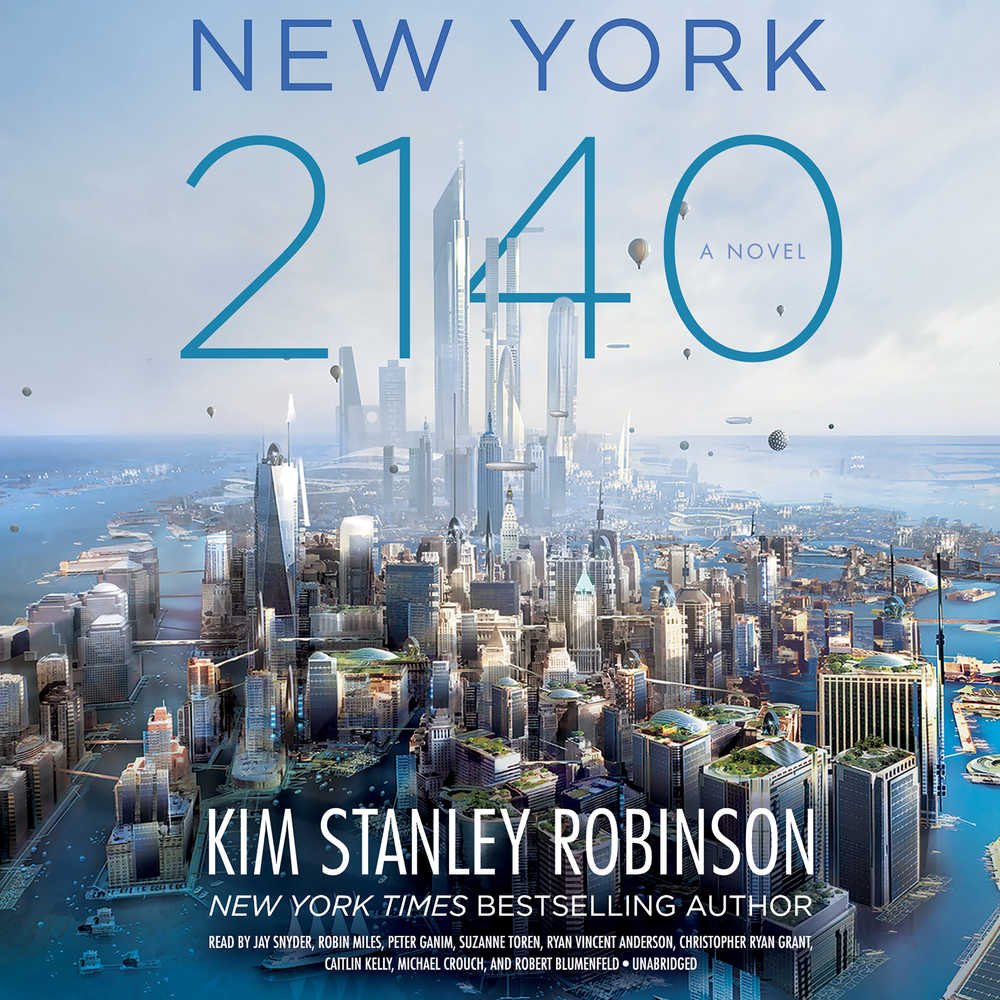
It’s spring in New York City. At Twenty-sixth and Park, the waves shine in the sunlight, and the breeze is briny with seaweed. Morning commuters are boarding a crosstown vaporetto. Out on the canal, finance guys in speedboats weave between the bigger ships. Workers in an inflatable raft are repairing the Flatiron dock; a superintendent, in diving gear, is checking his buildings for leaks. The super-rich live uptown, in a forest of skyscrapers near the Cloisters. The poor live downtown, in Chelsea, which is half-submerged....
it was a rough hundred years for the planet: the seas rose ten feet in the two-thousand-fifties, then forty feet more around 2100, and billions of people died. Each episode of flooding was “a complete psychodrama decade, a meltdown in history, a breakdown in society, a refugee nightmare, an eco-catastrophe, the planet gone collectively nuts.”
newyorker.com |



