SI
SI
discoversearch

We've detected that you're using an ad content blocking browser plug-in or feature. Ads provide a critical source of revenue to the continued operation of Silicon Investor.  We ask that you disable ad blocking while on Silicon Investor in the best interests of our community.  If you are not using an ad blocker but are still receiving this message, make sure your browser's tracking protection is set to the 'standard' level.
Strategies & Market Trends : 2026 TeoTwawKi ... 2032 Darkest Interregnum
GLD 399.29+0.9%Dec 17 4:00 PM EST

 Public ReplyPrvt ReplyMark as Last ReadFilePrevious 10Next 10PreviousNext  
From: Haim R. Branisteanu4/27/2019 12:16:15 PM
  Read Replies (2) of 218546
 
Climate change: Central banks warn of financial risks in open letter
17 April 2019


The heads of two major central banks have written a stark warning about the financial risks of climate change.
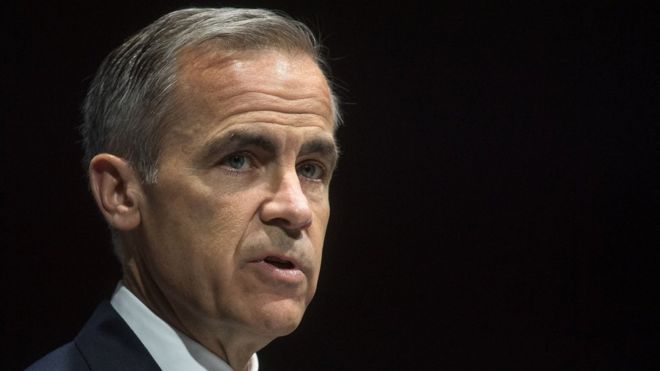
Bank of England governor Mark Carney and France's François Villeroy de Galhau set out the dangers to the global economy in an open letter.

"If some companies and industries fail to adjust to this new world, they will fail to exist," they wrote.

The letter was co-signed by the chair of the climate-focused Network for Greening the Financial System (NGFS).

The NGFS is a coalition of 34 central banks which was formed in 2017, with the Bank of England as a founding member. It released its first major report into climate-related financial risks on 17 April.

What does the climate have to do with finance?In the letter published by the Bank of England on Wednesday, Mr Carney and Mr Villeroy de Galhau describe "the catastrophic effects of climate change"already having an impact on the planet, such as "blistering heatwaves in North America to typhoons in south-east Asia and droughts in Africa and Australia".

They say that "these events damage infrastructure and private property, negatively affect health, decrease productivity and destroy wealth".

The NGFS elaborates in its "call to action" report, saying that climate change will lead to "disruptive events such as mass migration, political instability and conflict".


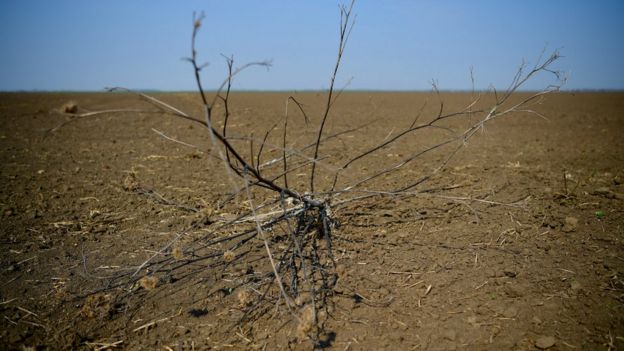
The current drought in Hungary may cause farmers to lose hundreds of billions in income

bbc.com
Report TOU ViolationShare This Post
 Public ReplyPrvt ReplyMark as Last ReadFilePrevious 10Next 10PreviousNext