Foxconn, the largest assembler of iPhones and iPads, employs in the region of a million workers in China. It said this week that it has sufficient capacity outside China to accommodate all production of Apple products bound for the US, if needed. - scmp.com
Sony also said it was closing its Beijing smartphone plant and would only make smartphones in Thailand.
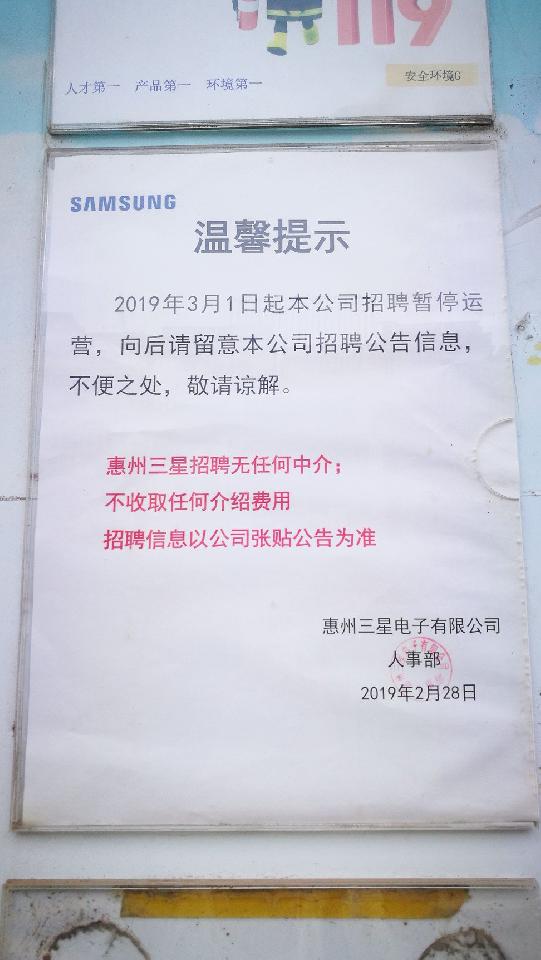
That announcement, plus Samsung’s plans to leave China and news that a number of US tech companies like Cisco and Oracle plan to cut back on production in China, could have serious implications for China’s domestic economic and employment stability as well as its position in global supply chains, according to analysts.
Rather than manufacture in China, Samsung opened the world’s largest mobile phone manufacturing facility on the outskirts of the Indian capital of New Delhi last year.
The shift of production from China to Southeast Asia, India and even Africa, especially for labour-intensive manufacturing and relatively low-end assembly, has been at least a decade in the making due to rising labour and rental costs, high taxes and the economic slowdown.
This move is also driven by a decline of sales in China. Samsung’s share of the Chinese market shrank to 1% in the first quarter from around 15% in mid-2013, as it lost out to fast-growing homegrown brands such as Huawei Technologies and Xiaomi Corp.
“In China, people buy low-priced smartphones from domestic brands and high-end phones from Apple or copycat models from Huawei. Samsung has little hope there to revive its share,” said Park Sung-soon, an analyst at Cape Investment & Securities.
 |



