fiercepharma.com
Target Validation in last 15 years--showing more benefit in the clinic.
Pharma Asia
China turns Roche arthritis drug Actemra against COVID-19 in new treatment guidelines
by
Angus Liu |
Mar 4, 2020 6:18am
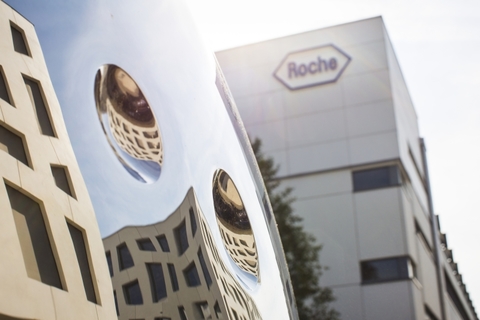
Roche has donated $2 million worth of Actemra to China before the anti-inflammatory med was officially added to Chinese authorities COVID-19 treatment guidelines. (Roche)
ShareFacebookTwitterLinkedInEmailPrint
Some patients infected with the novel coronavirus can develop uncontrolled immune response, leading to potentially life-threatening damage to lung tissue. After seeing promising results in clinical practice, Chinese authorities now recommend a Roche arthritis drug to tackle that rampage.
Roche’s blockbuster Actemra, first approved by the U.S. FDA in 2010 for rheumatoid arthritis, can now be used to treat serious coronavirus patients with lung damage, China’s National Health Commission said in its updated treatment guidelines (Chinese) for COVID-19 released Wednesday.
The Swiss drugmaker has donated CNY 14 million ($2 million) worth of Actemra to China, its local operations said in a blog post (Chinese) Monday, as the country continues to seek out older drugs that may help battle the disease at its epicenter.
Roche made the donations last week, days after a scientist at the Chinese Academy of Sciences said at a government press conference that promising results had been observed in 14 serious and critically ill patients treated with existing meds—including for arthritis—at a hospital affiliated with the University of Science and Technology of China (USTC).
USTC soon unveiled that the regimen includes Actemra. Scientists there have started a randomized clinical trial evaluating the drug’s application. According to Chinese Clinical Trial Registry, investigators aim to enroll 188 patients, with half on Actemra.
Actemra doesn’t directly kill the novel coronavirus, now dubbed SARS-CoV-2. It’s known as an inhibitor of the receptor of interleukin 6 (IL-6), a proinflammatory cytokine. In the disease COVID-19, the body may respond to the pathogen by overproducing immune cells and their signaling molecules in a dangerous phenomenon called cytokine storm. Similar lung inflammation happened in SARS patients during the 2003 outbreak, mainly in China.
USTC scientists and other research groups have recently fingered IL-6 as a main culprit in that immune overreaction among COVID-19 patients, hence the Actemra clinical trial. In 2017, the FDA also greenlighted Actemra to treat cytokine release syndrome—a form of cytokine storm—caused by CAR-T treatment.
In its previous treatment guidelines, Chinese authorities have already included elevated IL-6 level as an indicator of disease worsening. And in its current update, Actemra’s use is limited to patients with that marker.
In 2019, Actemra grew sales by 8% at constant currencies to reach CHF 2.31 billion ($2.42 billion), ranking sixth among Roche’s top-selling drugs.
Besides Actemra, Sanofi and Regeneron also have Kevzara, an FDA-approved anti-IL-6 receptor therapy for rheumatoid arthritis. In a statement sent to FiercePharma, a Sanofi spokesperson said the French drugmaker is “currently exploring Kevzara for severe COVID-19.” Sanofi’s in the process of gaining full rights to that med amid a collaboration overhaul.
During the ongoing outbreak, Chinese researchers have been trying to repurpose several existing meds to tackle either the coronavirus itself or the disease it causes. AbbVie’s fixed-dose HIV drug Kaletra (Aluvia), a combination of antivirals lopinavir and ritonavir, is also recommended. So is an influenza remedy Arbidol (umifenovir), which is not approved in Western countries.
Meanwhile, Gilead Sciences’ investigational remdesivir has so far been viewed as the most promising drug against COVID-19. The drug’s being studied in two clinical trials in China’s Hubei province, the epicenter of the outbreak. The National Institute of Allergy and Infectious Diseases is leading one in the U.S. And Gilead just initiated two additional phase 3 trials with plans to enroll about 1,000 patients, mainly in Asian countries.
Editor's Note: The story has been updated with a statement from Sanofi. |



