SI
SI
discoversearch

We've detected that you're using an ad content blocking browser plug-in or feature. Ads provide a critical source of revenue to the continued operation of Silicon Investor.  We ask that you disable ad blocking while on Silicon Investor in the best interests of our community.  If you are not using an ad blocker but are still receiving this message, make sure your browser's tracking protection is set to the 'standard' level.
Strategies & Market Trends : Taking Advantage of a Sharply Changing Environment
NRG 163.00-3.8%3:59 PM EST

 Public ReplyPrvt ReplyMark as Last ReadFilePrevious 10Next 10PreviousNext  
To: Doug R who wrote (368)5/18/2020 7:24:29 PM
From: Doug R1 Recommendation

Recommended By
Hawkmoon

  Read Replies (2) of 6347
 
The Lo' ihi Seamount has calmed from recent activity.


But quakes deep under Pahala continue

Note the depth of the highlighted quake. They are all down there.


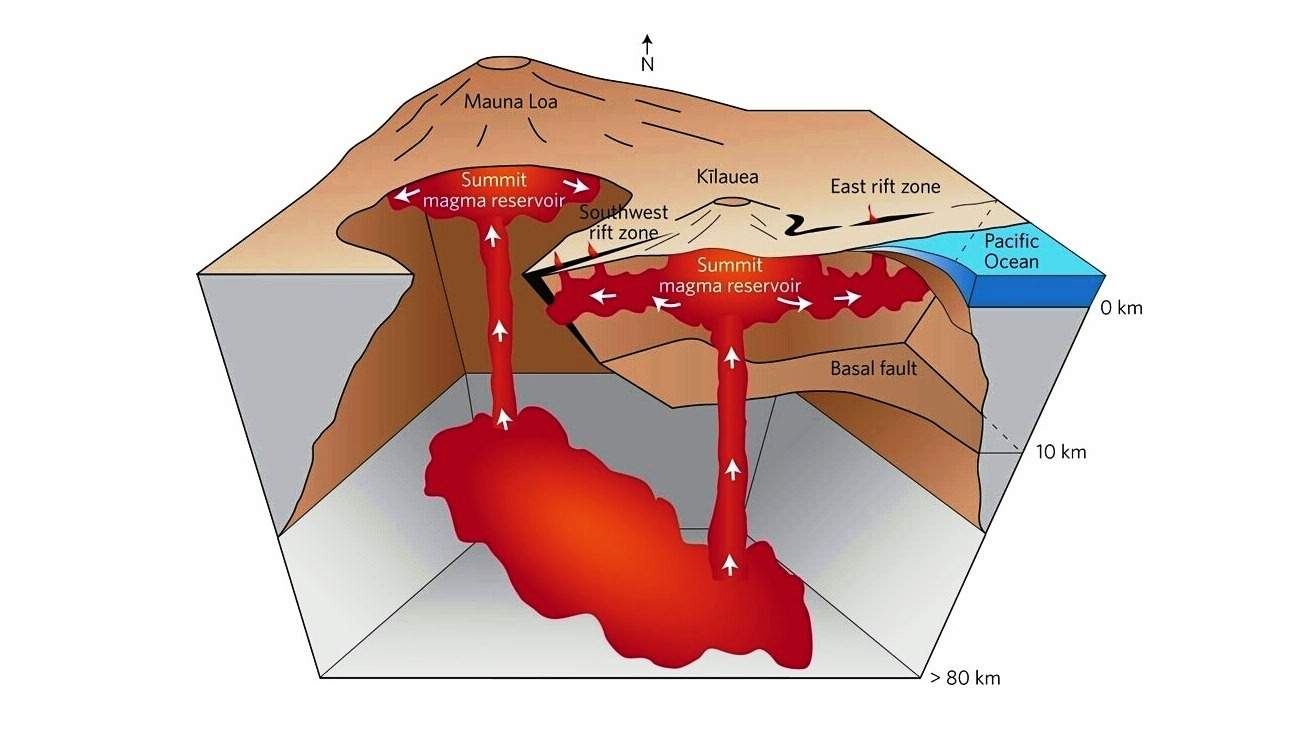
This diagram shows the Kilauea summit and Southeast Rift Zone, down to the reservoir but does not include the Mauna Loa conduit shown in the next diagram. Leilani Estates and other inhabited areas are,and/or were further to the right along there.
Pahala is below the Southwest Rift Zone.


Lo'ihi is likely also fed from the same deep reservoir as the summit reservoirs of Mauna Loa and Kilauea. That deep reservoir is mostly about 20 to 30 miles beneath Pahala. Deep Pahala quakes also occurred in swarms during the Kilauea eruption. Temperatures of the lava at "Fissure 8" were described as "mantle temperatures" by the USGS. Hotter than just that from the drained summit lake.
When the deep reservoir gets busy, there's more than likely an eruption around somewhere. Lo'ihi would be my guess.

"The research offers the first plausible model that can explain both the opposing long-term eruptive patterns at Mauna Loa and Kilauea—when one is active the other is quiet—as well as the episode in 2003-2007 when GPS records showed that each bulged notably due to the pressure of rising magma. The study was conducted by scientists at Rice University, the University of Hawaii, the U.S. Geological Survey (USGS) and the Carnegie Institution of Washington."
"We know both volcanoes are fed by the same hot spot, and over the past decade we've observed simultaneous inflation, which we interpret to be the consequence of increased pressure of the magma source that feeds them," said lead author Helge Gonnermann, assistant professor of Earth science at Rice University. "We also know there are subtle chemical differences in the lava that each erupts, which means each has its own plumbing that draws magma from different locations of this deep source. bigislandnow.com

Report TOU ViolationShare This Post
 Public ReplyPrvt ReplyMark as Last ReadFilePrevious 10Next 10PreviousNext