Three-Quarters of Recovered Coronavirus Patients Have Heart Damage Months Later, Study Finds
Of the 100 patients studied, 78 had lingering heart damage despite being “mostly healthy … prior to their illness”
By Julie Mazziotta
July 28, 2020 04:37 PM
ADVERTISEMENT
FBTweetMore
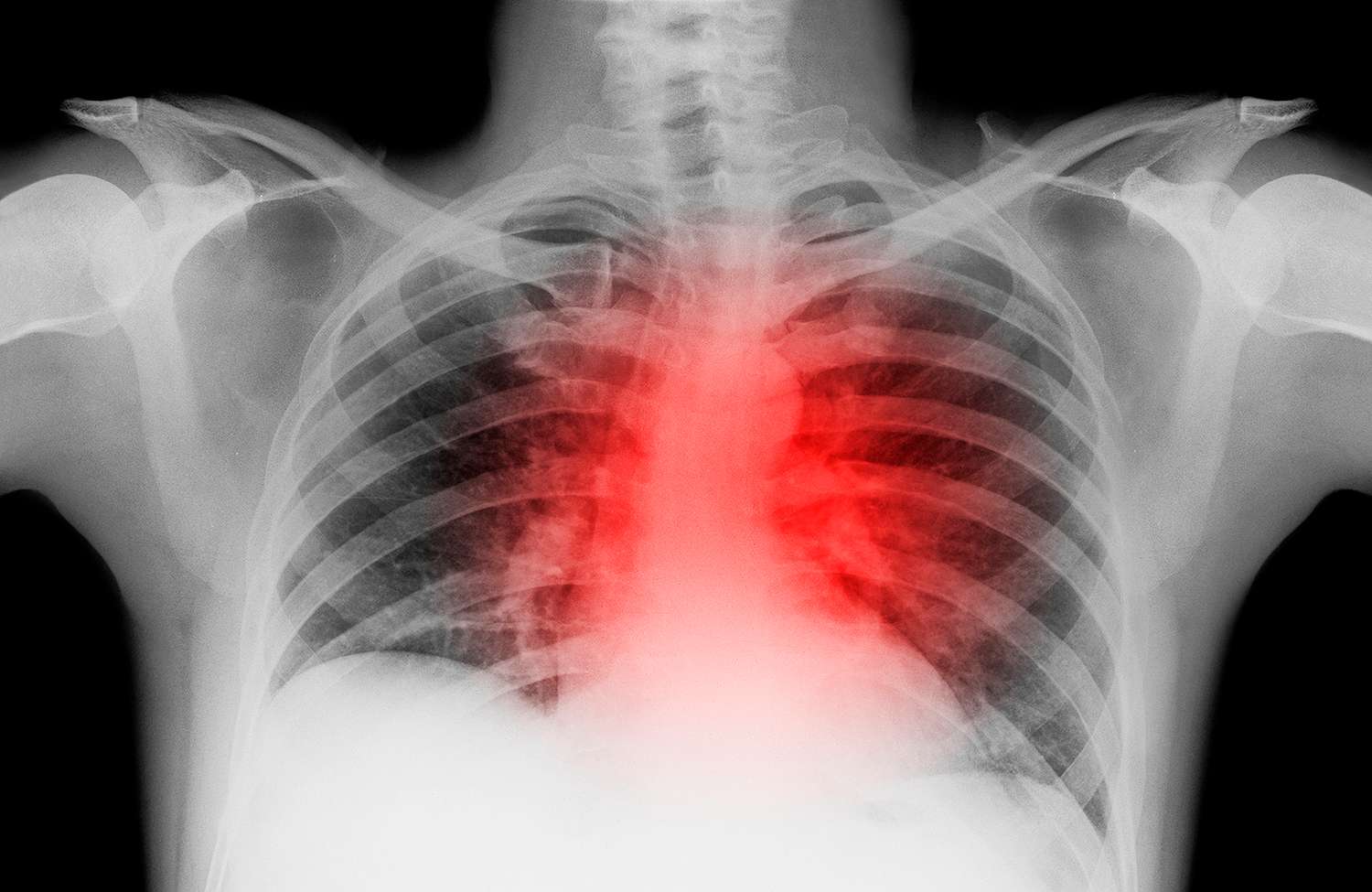
Well over half a year into the COVID-19 pandemic, experts are learning more about the virus that was initially believed to be only a respiratory illness. Over time, it’s become clear that COVID-19 attacks far more than just the lungs, and new research indicates that it can leave lasting heart damage, even in formerly healthy people who have recovered from the initial symptoms.
Two new studies, both from Germany, examined the effects of COVID-19 on the heart, with one focusing on recovered patients and the other on older victims of the virus.
The first study, published Monday in JAMA Cardiology, found that three-quarters of recovered COVID-19 patients were left with structural changes to their hearts, even two months later.
The researchers examined cardiac MRIs from 100 recovered COVID-19 patients between the ages of 45 to 53, and compared them to MRIs of similar people who did not contract the virus. Most of the COVID-19 patients had recovered at home, while 33 had to be hospitalized at some point in their illness.
RELATED: Coronavirus Infects More Than Just the Lungs: Studies Show It Hits Heart, Liver and Other Organs
Of the 100 COVID-19 patients, 78 had structural changes to their hearts. Within that group, 76 had a biomarker that is typically found in patients who had a heart attack, and 60 had heart inflammation, called myocarditis. The patients were all “mostly healthy … prior to their illness,” the researchers said.
"The patients and ourselves were both surprised by the intensity and prevalence of these findings, and that they were still very pronounced even though the original illness had been by then already a few weeks away," study co-author Dr. Valentina Puntmann, a consultant physician, cardiologist and clinical pharmacologist at University Hospital Frankfurt in Germany, told UPI. |



