We've detected that you're using an ad content blocking browser plug-in or feature. Ads provide a critical source of revenue to the continued operation of Silicon Investor. We ask that you disable ad blocking while on Silicon
Investor in the best interests of our community. If you are not using an ad blocker but are still receiving this message, make sure your browser's tracking protection is set to the 'standard' level.
Re <<The latest ... trends for our future needs?>>
I just saw what I need. Paris really does know how best to do public housing per common-prosperity ala greater-good, in a variation that the rest of the world must consider to adopt or not, but is definitely out there for all to see and follow, as watch & brief.
I think Paris has taken common-prosperity to the next level, and difficult to beat.
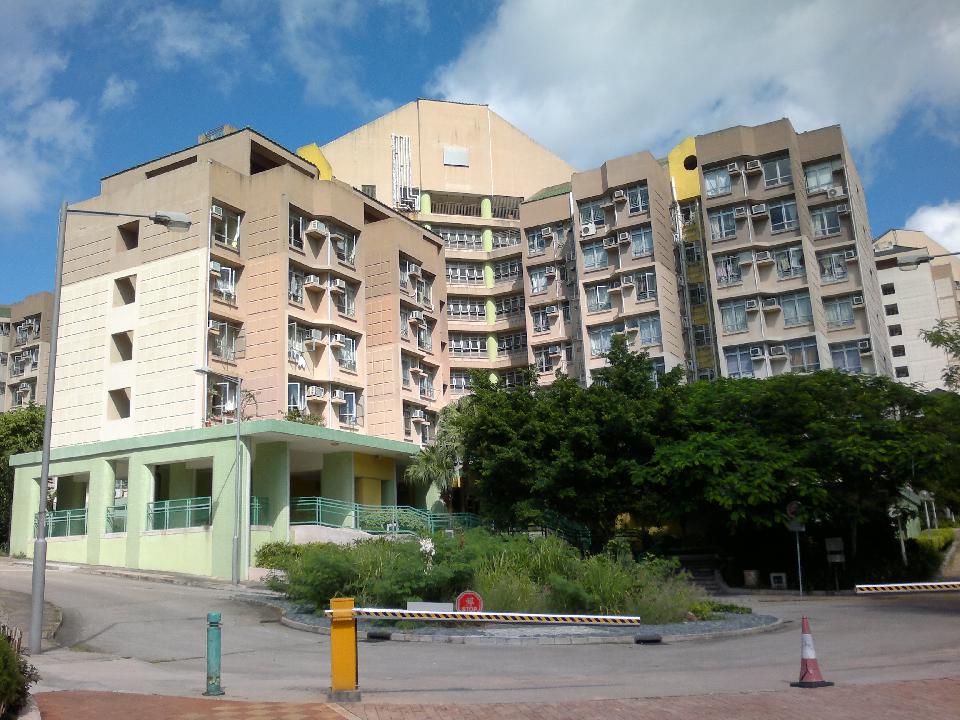
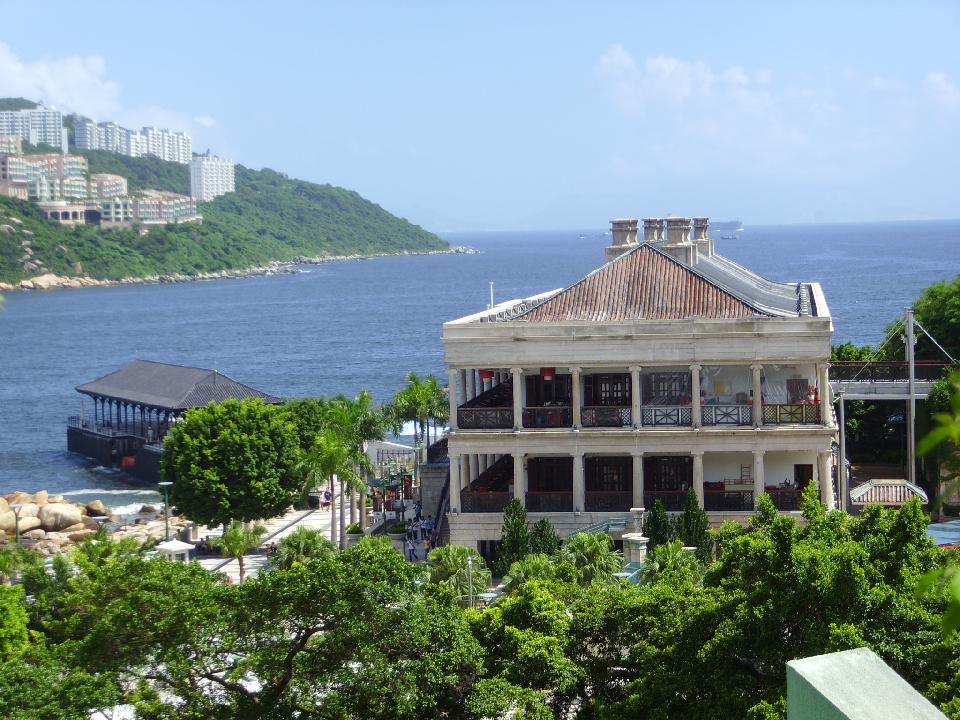
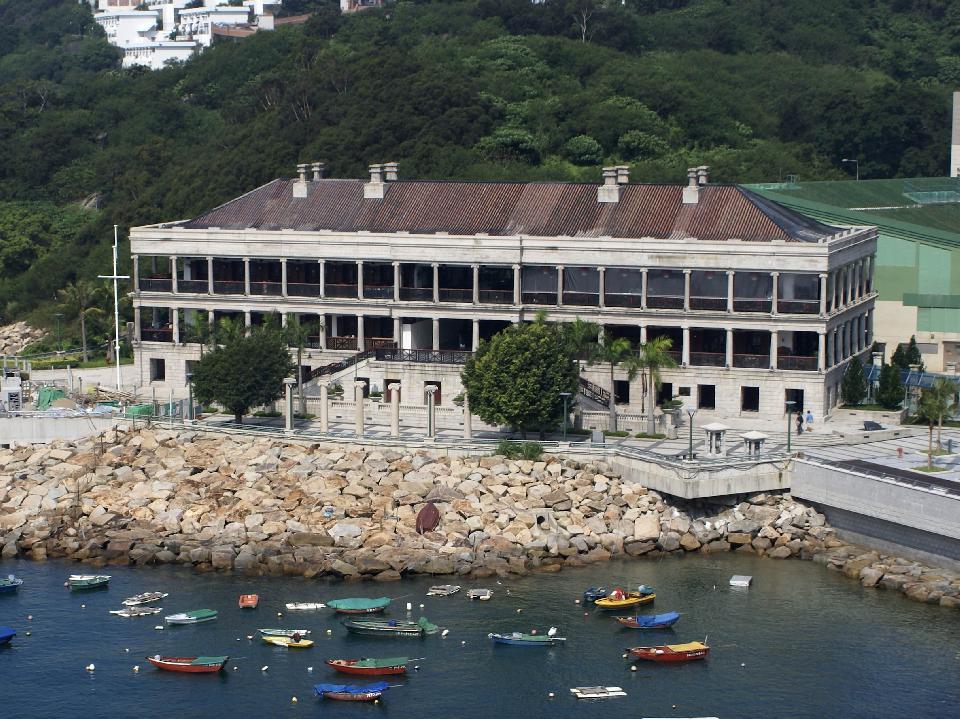
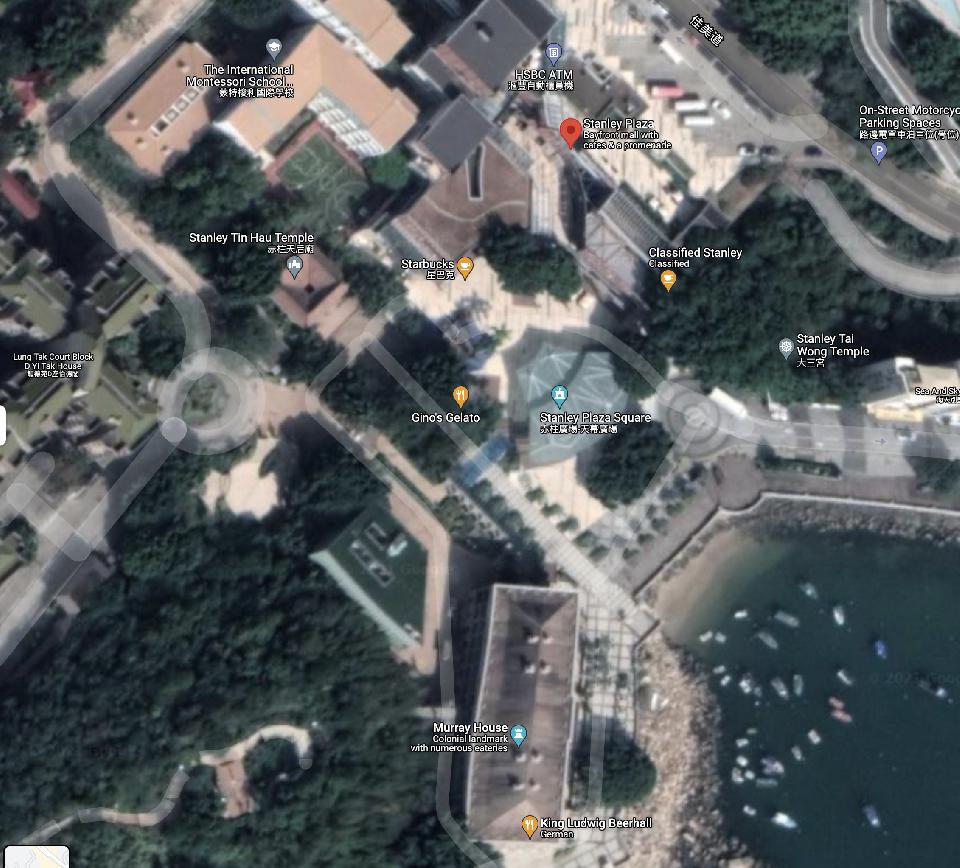
I thought Hong Kong had all over the planet beat by having Ma Hang Ma Hang Estate - Wikipediahttps://en.wikipedia.org › wiki › Ma_Hang_Estate public housing mid-rise zone in the smack-middle of otherwise low density genteel zone, and many of the units have full ocean view, and all immediately adjacent to neighbourhood shopping mall, the relocated (from CBD) Murray House / Blakes Pier en.wikipedia.org , and contiguous with the International Montessori School where the Coconut and the Jack attended earlier schooling.
Ma Hang Estate is a fine place with beautifully helpful and polite neighbours, and in the quarter century I have been in the neighbourhood I have not heard about any case involving drugs, robberies or physical harm.
Lung Tak Court is the public housing, with full-on view to the square, shore line, and ocean.
I am now updated by Paris, the city, by way of Bloomberg.
I think it has merit, as social experiments go, like in the movie Trading Places, and help settle the debate w/r to environment. I believe the issue might distill down to 49 upbringing / 49 environment, and with 2% magic sauce.
For Lucky Few, Paris Debuts Public Housing in a Pricey Landmark
The 96 affordable units atop the renovated La Samaritaine department store offer world-class views in one the city’s priciest neighborhoods for about $500 a month.
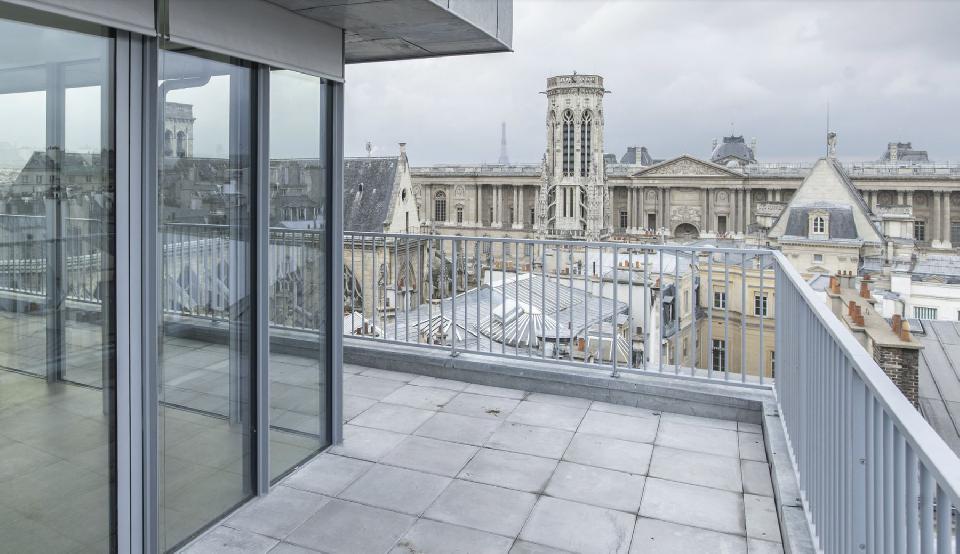
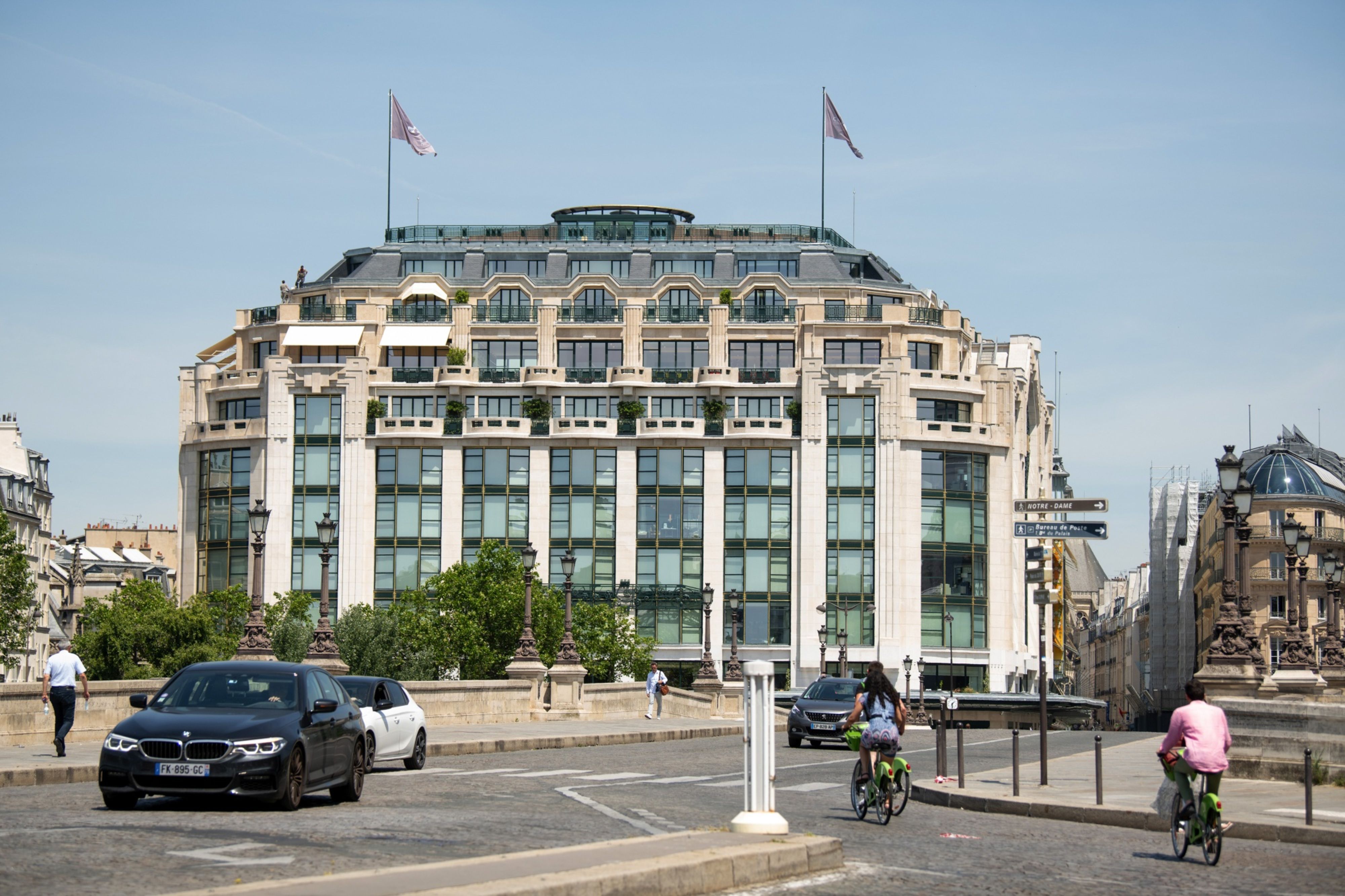
The 96 new apartments unveiled in Paris this week might have the most stunning location of any public housing in the world. The development of new apartments, all intended for low- to medium-income tenants, is located in the newly renovated La Samaritaine department store, a massive Belle Époque landmark that opened in 1870 on a site overlooking the Seine, barely a few hundred yards from the center of Paris.
With generous proportions and balconies with views of the Eiffel Tower, the Sacre Coeur and the Louvre, such apartments would fetch multiple thousands of Euros in rent per month on the private market. But their new tenants are paying an average of 430 euros ($504 USD) in rent for a studio to an average of 929 euros for a three-bedroom unit.
The new housing development became possible because the department store has been undergoing reconstruction, freeing up space for extra units in an otherwise fully built-up, carefully preserved section of the city. Antiquated and somewhat dilapidated, La Samaritaine first closed for renovation in 2005. After acquisition by LVMH — the luxury goods conglomerate whose chairman Bernard Arnault is currently listed as the world’s third-richest person — the store began a long, drawn-out renovation. It finally reopened in June 2021, now forming a complex that also contains luxury hotel Le Cheval Blanc, offices and a kindergarten. Its main art deco façade remained intact, but the store’s back elevation was skinned of masonry and replaced by a controversial, undulating glass wall once likened to a shower curtain. The rebuild made the construction of lofty inner atriums possible, as well as the addition of new floors on top of the building, where the public housing is located.
Costing 23.7 million euros to construct, the new housing is part of an ongoing plan from the administration of Mayor Anne Hidalgo: not just to augment the number of affordable homes in the city, but also to prevent further social segregation between high- and low-income areas. The impetus for this drive does not come from Paris City Hall alone. Since 2000, a national Urban Solidarity and Renewal law has stipulated that French cities whose housing stock does not consist of at least 20% public housing must pay a substantial levy. In 2025, this proportion will rise to 25%. As Urban Institute researcher Yonah Freemark concluded in a recent report, the law has been effective in improving access to affordable housing across various French cities, and could serve as a model for the U.S. as well.
The freshly renovated La Samaritaine department store, now crowned with several units of affordable housing.
Photographer: Benjamin Girette/Bloomberg
Paris is attempting to not just meet its percentage target but “rebalance the share of social housing,” as Paris Housing Commissioner Ian Brossat said, so that more public units become available in the city’s wealthier west. This drive has already produced some results. As well as the 96 units at La Samaritaine, the city launched two new housing complexes in December 2020, one next to the Luxembourg Gardens and the other in the exclusive 16th arrondissement, on a site expropriated from the uncle of Syrian president Bashar al-Assad.
Resolving Paris’ affordability problems nonetheless remains a challenging goal. In December 2020, 260,000 people remained on Paris’ waiting list for public housing, while limited space for building means that the city’s cost per square meter for a new dwelling is higher than any other major city in Europe. Given the level of need, the number of new public units appearing in pricier quarters of the city could be considered mostly symbolic. The public tenants moving into new apartments in La Samaritaine constitute a lucky handful.
That doesn’t stop them being delighted, however. One renter interviewed by Le Parisien admitted that when she first received her new apartment’s address, she assumed that — located as it is next to Paris’ City Hall — she’d been sent the address of the Paris public housing department’s head office by mistake. Others have noted that their new homes’ location offered them not just secure, affordable housing but access to better schools and public amenities. The new housing may make only a tiny dent in Paris’ wider public housing needs, but it could help prevent the city’s heart from becoming the exclusive preserve of the wealthy.
Before it's here, it's on the Bloomberg Terminal. LEARN MORE