<<Why is China so Dangerous?>>
yeah, China started and conducted a whole lot of wars in the last 300 years
in the meantime onward to 2022, 2024, 2026 ... 2032 ... 2036 Message 33519904
something will happen, am agnostic w/r to what would exactly happen, but big
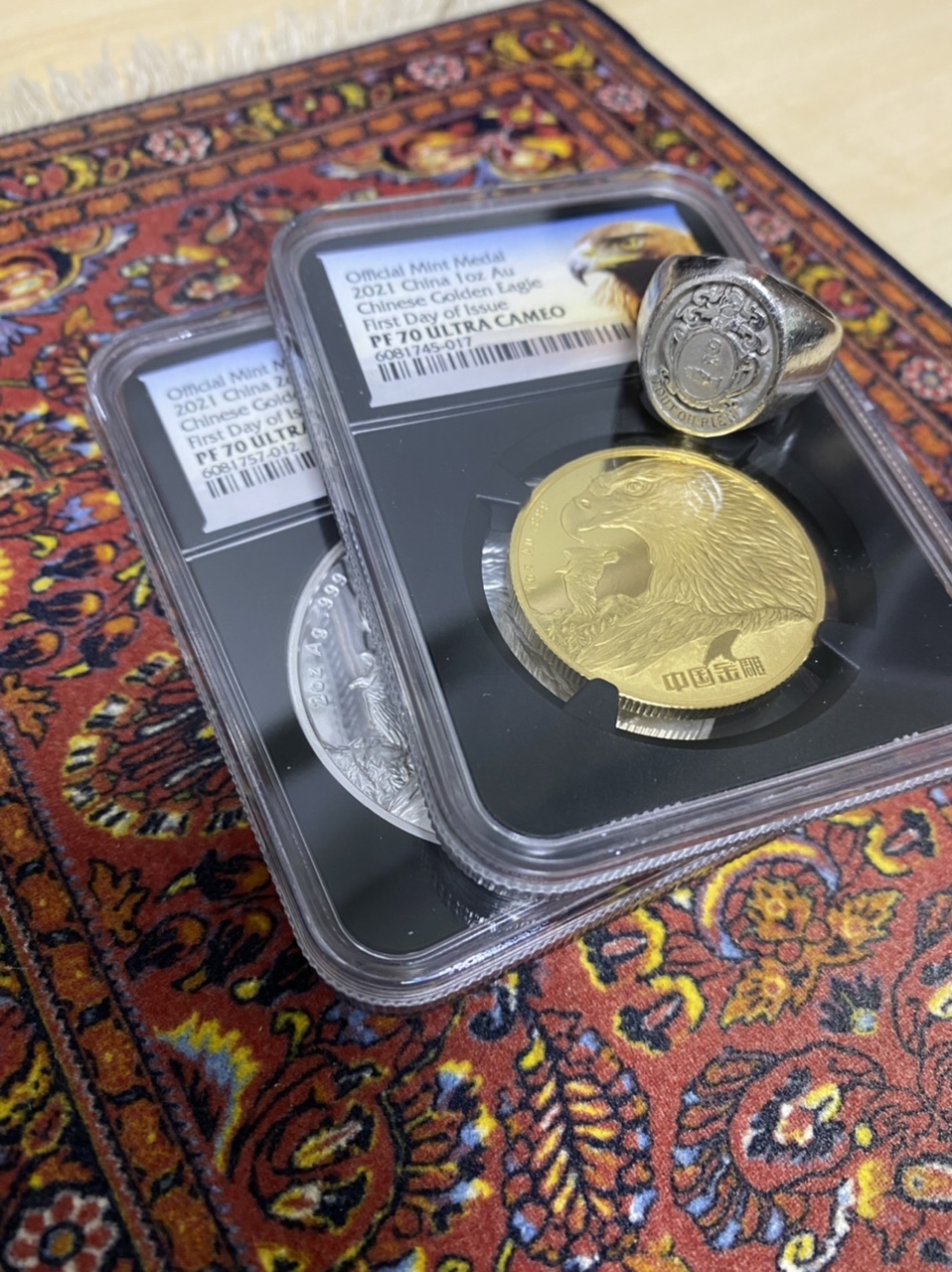
I got delivered two special proof tokens, very pretty, while supplies last
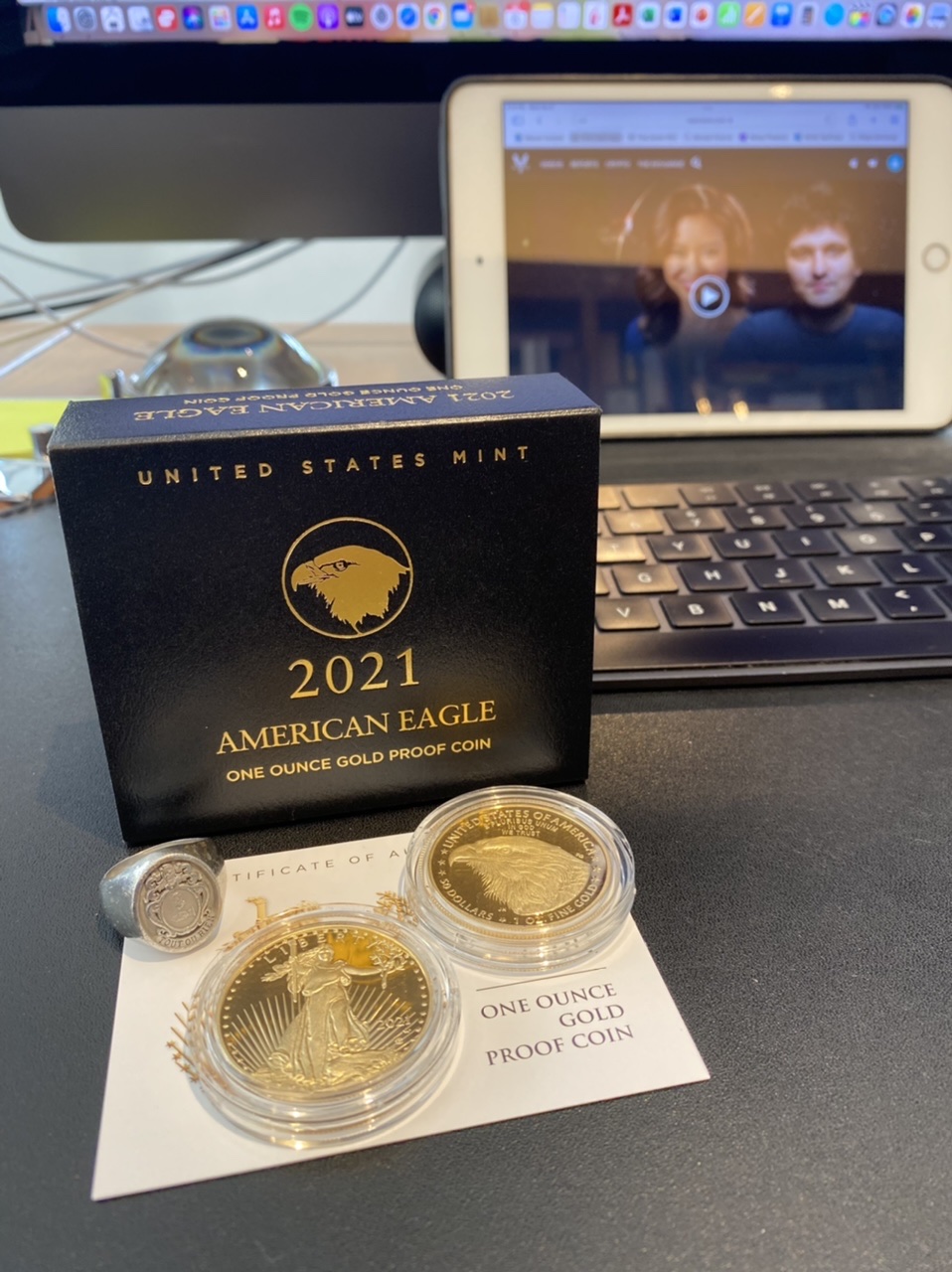
... goes well w/ my other, first of a kind (as opposed to the Pandas available minted annually since 1982) 2021 gold eagle token.
Let's see if Team China mints more going forward on annual basis.
npr.org
Poll: Much Of The World Sees The U.S. As A Threat To Democracy
Rob Schmitz3-Minute Listen
The U.S. and China are seen as the main threats to world peace in a new survey of international public opinion, but views of the U.S. are improving since President Biden's election
RACHEL MARTIN, HOST:
A lot of people around the world want more democracy, and they see the U.S. as one of the biggest obstacles to that, at least that's according to a new poll out today. More than 50,000 people across more than 50 countries were surveyed. NPR's Rob Schmitz joins us from Berlin to talk about it. Hi, Rob.
ROB SCHMITZ, BYLINE: Good morning, Rachel.
MARTIN: Before we get to the conclusions of this particular poll, tell us how it was done, who did it.
SCHMITZ: Yeah, the survey is called the Democracy Perception Index, and it's been conducted each year since 2018 by the Berlin-based research firm Latana and the Alliance of Democracies, which is a nonprofit based in Copenhagen dedicated to the advancement of democracy. This is the largest survey on democracy in the world. The goal here is to try and dig into what people see as the biggest threats to democracy globally.
MARTIN: And what are they?
SCHMITZ: Well, the first ones you would probably predict, yes, these probably are big threats - economic inequality, limits on free speech, unfair elections and social media. But 44% of those surveyed said another threat to democracy worldwide is the influence of the United States. That ranked higher than the influence of China or Russia. I spoke to Fred DeVeaux about this finding. He's a senior researcher at Latana. And he said, by and large, there was one region responsible for this perception of the U.S. as a threat to democracy.
FRED DEVEAUX: In most of the world, most people think the United States has a more positive impact than negative impact. But in European countries and many of the United States' allies, the balance is actually the other way, where more people say that the United States has a negative impact on democracy than positive.
MARTIN: How is that so, Rob? I mean, he's saying that people who live in the countries that have the closest ties to the U.S. are the same people who see the U.S. as a threat to democracy worldwide?
SCHMITZ: Yeah, that's right. And, you know, from my perch here in Berlin, it's clear that former President Trump was extremely unpopular in much of Europe. Many people here saw him as a threat to democracy and think the movement that he channeled is still a threat. More than half the respondents here in Germany said the U.S. has a net negative impact on global democracy, while less than a third believed it was a positive impact.
China, though, was also seen as a threat, particularly by people who live in Asia. People in Taiwan, Hong Kong, Vietnam, Singapore see China as the bigger threat. So it seems like these smaller countries closest to the great powers, like China and the U.S., were the ones who are most critical of them.
MARTIN: You mentioned this is an annual survey.
SCHMITZ: Right.
MARTIN: How has the global view of the U.S. and democracy changed since last year?
SCHMITZ: Well, Rachel, surprisingly, given what we just discussed, it's actually gotten better. Since last year, the perception of U.S. influence on democracy has actually increased, significantly. Fourteen percent more people worldwide said the U.S. has a positive influence on democracy. This increase was particularly high here in Germany, as well as among Chinese respondents. The survey takers see this as what they call a Biden effect, a sign that, globally, President Biden is seen as a bigger champion of democracy than former President Trump.
And although we focused on perceptions of the U.S. here, another interesting finding here is that an overwhelming majority of people worldwide, 81%, say it's important to have democracy in their countries, but only a little more than half say their country is democratic - a clear sign that democracy remains a big priority throughout the world.
MARTIN: NPR's Rob Schmitz reporting from Berlin. Thank you, Rob.
SCHMITZ: Thank you.
Copyright © 2021 NPR. All rights reserved. Visit our website terms of use and permissions pages at www.npr.org for further information.
NPR transcripts are created on a rush deadline by Verb8tm, Inc., an NPR contractor, and produced using a proprietary transcription process developed with NPR. This text may not be in its final form and may be updated or revised in the future. Accuracy and availability may vary. The authoritative record of NPR’s programming is the audio record. |



