WEBMD NEWS BRIEF
U.S. Government Website Offers Advice for Nuclear Blast
By Carolyn Crist
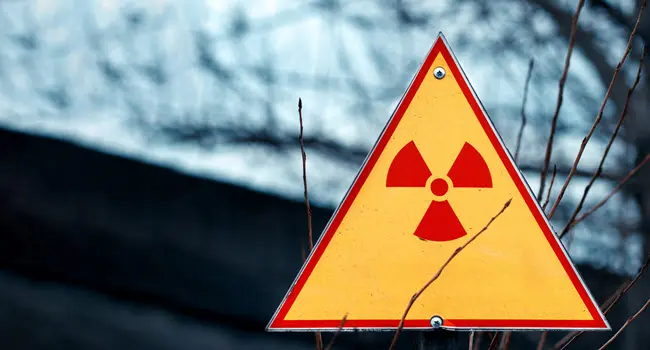
March 2, 2022 -- Ready.gov, a public service website operated by the U.S. government, recently updated its page about a nuclear explosion emergency.
The site provides advice for Americans to prepare for disasters and emergencies such as weather events, bioterrorism, and cyberattacks. Although U.S. officials haven’t said that a nuclear explosion emergency is on the horizon, the Federal Emergency Management Agency updated the guidance on Friday.
“Nuclear explosions can cause significant damage and casualties from blast, heat, and radiation, but you can keep your family safe by knowing what to do and being prepared if it occurs,” the webpage says.
If a nuclear explosion occurs, people should move inside the nearest building to avoid radiation. Brick or concrete buildings are the best, as well as the basement or middle of the building.
People should stay inside for 24 hours and keep their pets inside unless local authorities provide other instructions.
To prepare now, people should identify shelter locations near their home, work, and school. The best locations are underground and in the middle of large buildings.
“Due to COVID-19, many places you may pass on the way to and from work may be closed or may not have regular operating hours,” the webpage says.
With an ongoing pandemic, the advice recommends keeping a distance of at least 6 feet between people from different households. If possible, people should wear masks if sheltering with others who aren’t part of the same household.
The CDC also provides guidance for going to a public disaster shelter during the pandemic, particularly for severe weather events such as hurricanes. The page was last updated in June 2021.
The Ready.gov update sparked online conversations over the weekend, particularly around the pandemic-related advice. But FEMA said the update was a “routine procedure” that removed a broken link to another page.
“It is not true that the COVID social distancing language was updated in response to the situation with Russia-Ukraine,” Jaclyn Rothenberg, director of public affairs for FEMA, said in a statement to FOX 2 Detroit.
“COVID protocols were originally added in 2020, and pages are now going through reviews to update that language based on new CDC guidance that was just released,” she said. “The only updates that were done, were updated for links throughout the Ready.gov site. No new language was added or taken off of that particular page.”
Show Sources
Share on Facebook
Share on Twitter
Share on Pinterest
Email
© 2022 WebMD, LLC. All rights reserved. |



