More than a quarter of Houston's population is foreign born.
Why does Houston have so many immigrants? Here's how the Bayou City became so diverse.
Elizabeth Trovall, Staff writer
Nov. 29, 20225
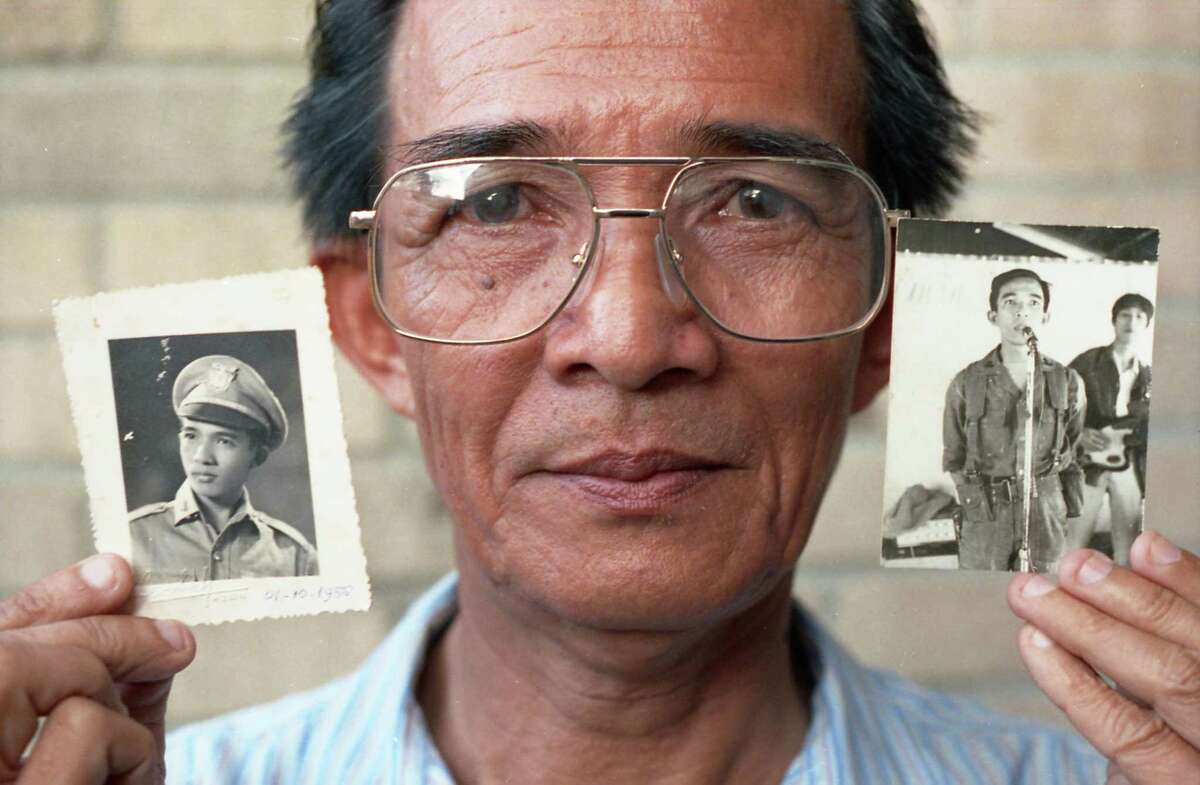 1of5Vietnamese refugee Tri Van Dang displays snapshots of himself as a South Vietnamese Army officer, photographed October 27, 1992. Dang fought alongside the U.S. Army, was left behind when the Americans pulled out and spent seven years in a Vietnamese re-education camp. Dang is among many refugees that came from Vietnam after the 1975 fall of Saigon. 1of5Vietnamese refugee Tri Van Dang displays snapshots of himself as a South Vietnamese Army officer, photographed October 27, 1992. Dang fought alongside the U.S. Army, was left behind when the Americans pulled out and spent seven years in a Vietnamese re-education camp. Dang is among many refugees that came from Vietnam after the 1975 fall of Saigon.
Kerwin Plevka/Houston Chronicle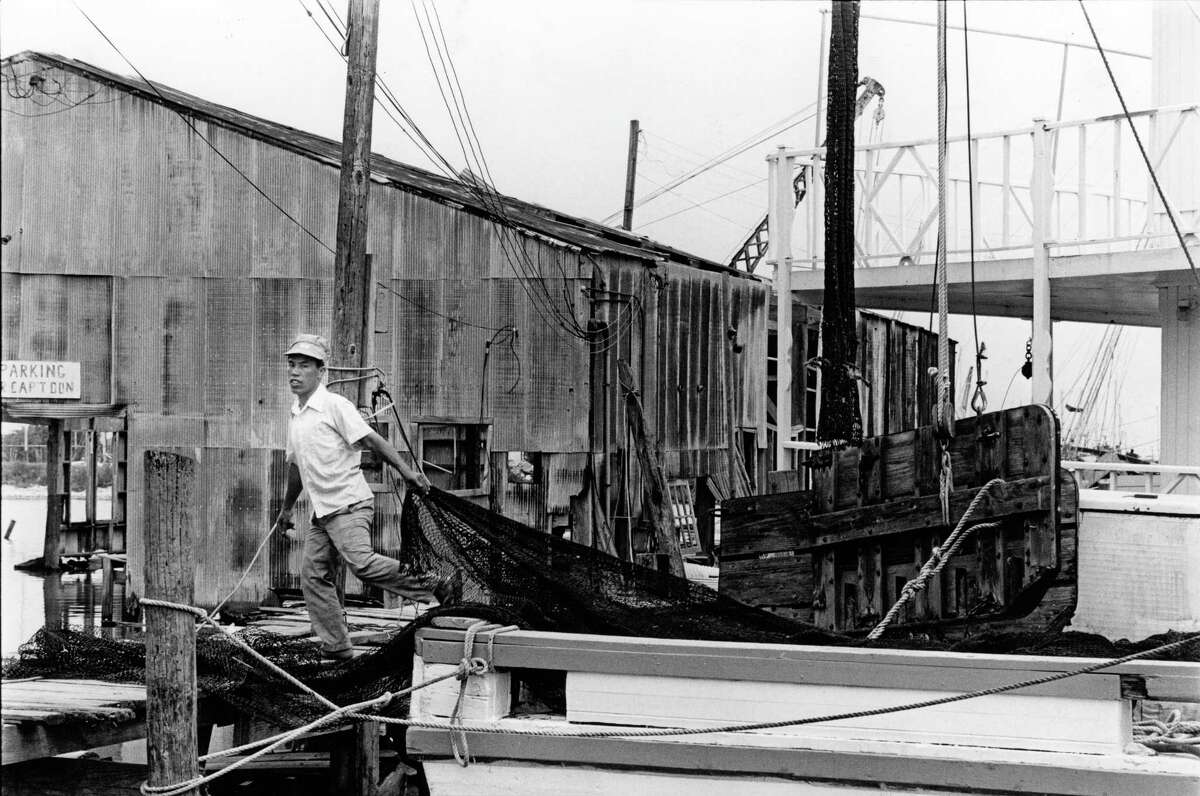
In 50 years, Houston has transformed from a biracial city with a Black and majority non-Hispanic white population, to one of the most diverse cities in the United States. Immigrants have driven much of the city’s diversification and population growth, as Houston has become synonymous with the American Dream.
Now, more than a quarter of the population is foreign-born, with large sectors of Houstonians from places as far-reaching as India, Nigeria and Vietnam. So what changed? How did Houston become a city of immigrants?
Economic opportunities Plunging oil prices in 1982 halted the growth of Houston’s non-immigrant white population after the city’s oil and gas industry boomed in the 1970s. Many vacated the city leaving behind shiny new downtown office spaces, empty from overdevelopment.
“Anglos stopped coming, but it became a tremendous attraction for upper, highly-educated Asians in medicine and engineering and very eager-to-work Latinos in construction and daycares. It became a new mecca for a different kind of population,” said sociologist Stephen Klineberg.
TEXAS POLITICS: Illegal immigration a benefit to Texas economy, new study finds
Oil and gas picked up again in the 1990s and over the decades, the region has drawn in new residents from abroad with the promise of affordable housing, lower expenses and the lack of a state income tax. Demand for workers in construction, oil and gas and the medical field, gave newcomers a shot at the American Dream.
Today, immigrants make up more than a third of the labor sector in industries such as agriculture, construction, manufacturing, professional services, entertainment and food services, according to an analysis by the Center for Houston’s Future. The Center also found that more than 40% of Houston’s doctors, petroleum engineers and scientists are foreign-born.
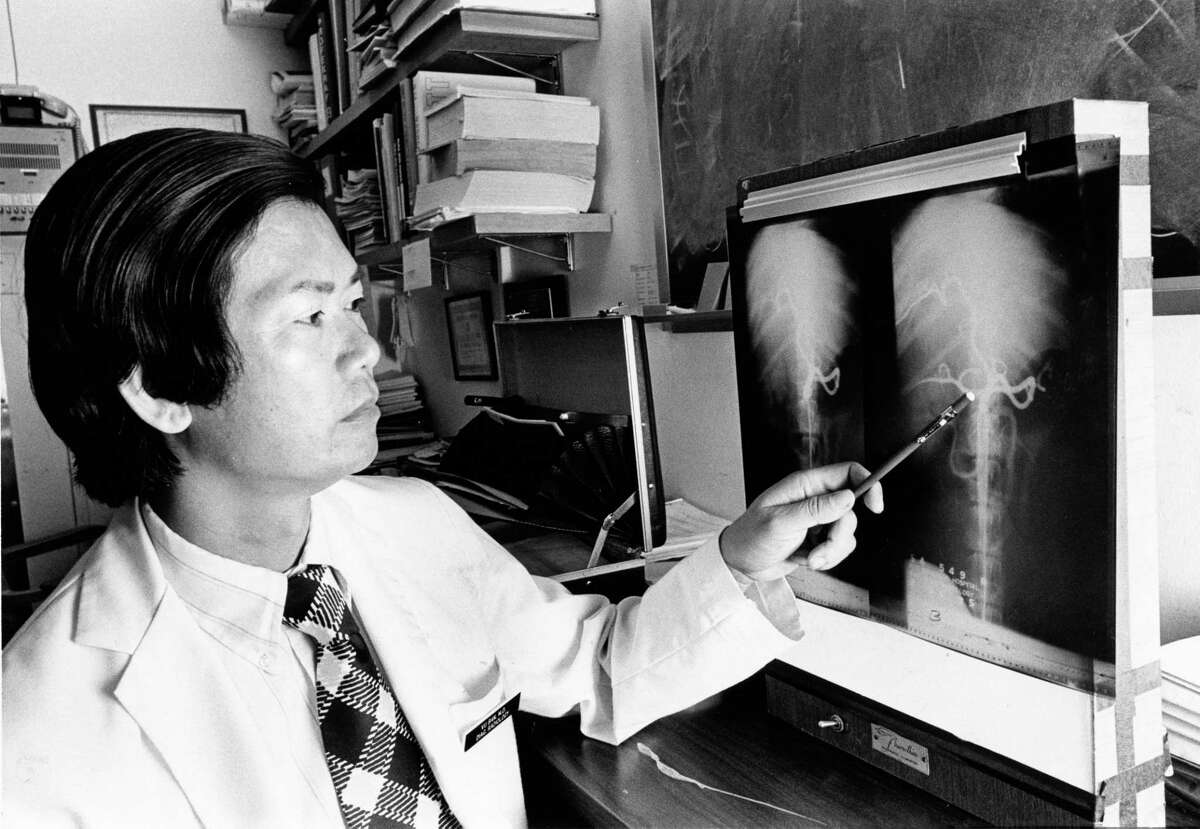 Dr. Vu Ban, a plastic surgeon, is shown working on a radiology research project at the University of Texas M.D. Anderson Cancer & Tumor Institute photographed in August 1975. Dr. Ban and his family are refugees from Vietnam who relocated to Houston. Dr. Vu Ban, a plastic surgeon, is shown working on a radiology research project at the University of Texas M.D. Anderson Cancer & Tumor Institute photographed in August 1975. Dr. Ban and his family are refugees from Vietnam who relocated to Houston.
Geography Immigrants from Latin America have brought their business savvy, language, food and other cultural traditions to Houston for more than a century. Their impact stems in large part from the region's proximity to Mexico, with international bridges less than a six-hour drive away.
Since the early 1900s, Houston’s Second Ward has been home to Mexican immigrants (though, even before that, the swampland where Houston is was Mexican territory). In “Segundo Barrio”, a small Mexican community of just a couple thousand people worked in a host of industries, “as tailors, clerks, cooks, and boot makers,” according to Houston History Magazine.
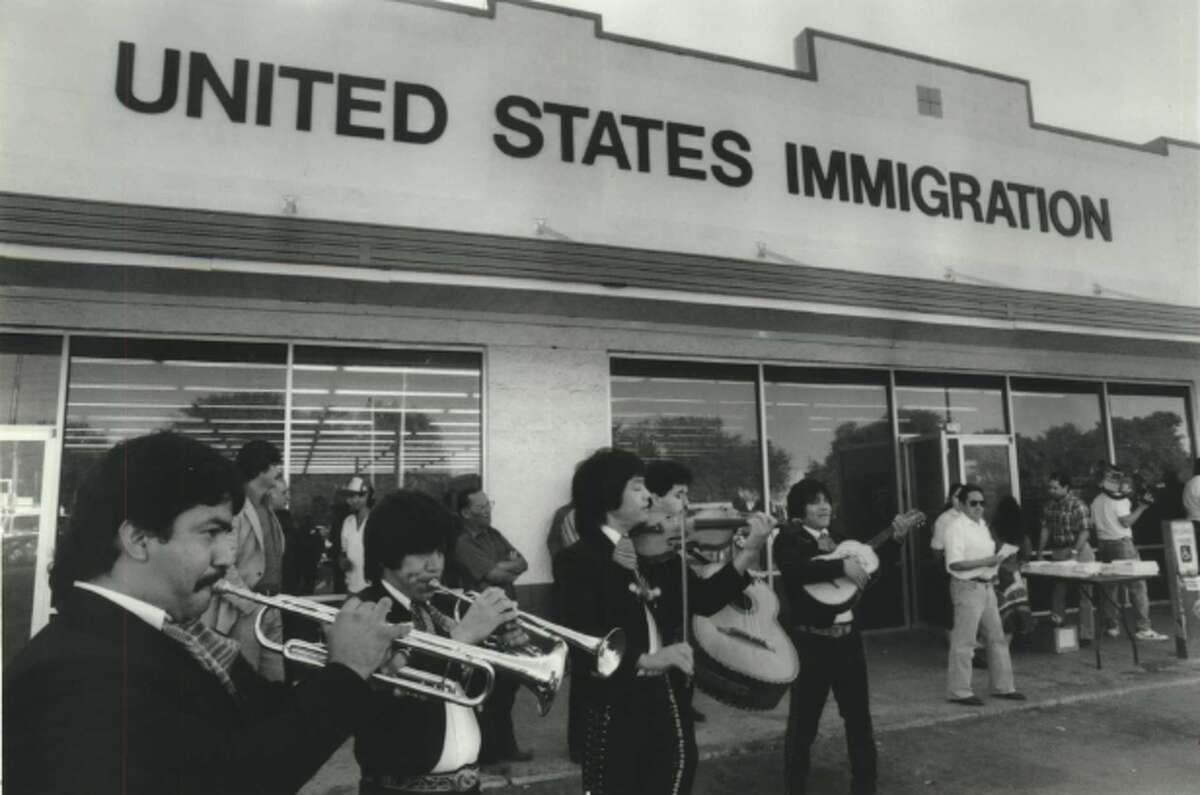 A Mariachi band sponsored by Fiesta Mart plays in front of an immigration center in Houston as people enter last-minute amnesty applications. A Mariachi band sponsored by Fiesta Mart plays in front of an immigration center in Houston as people enter last-minute amnesty applications.
Today, 1.4 million people in Harris County identify as Mexican, according to 2021 Census estimates – among them, nearly a half million were born in Mexico. Unsurprisingly, Mexicans are the largest immigrant group in the Houston metro area, followed by Salvadorans, for whom the proximity of Houston to Latin America was likely also a factor. Migrants coming to the U.S. by way of Mexico often stop through Houston on their journey – some may stay because of work opportunities or cultural ties, even if it wasn’t their intended destination.
[ My oldest grand-daughter's b/f is Salvadoran. Their family business installs flooring.
Salvadoran food is a lot like Venezuelan and nowhere near as good as good ole Tex-Mex. Blah. ]
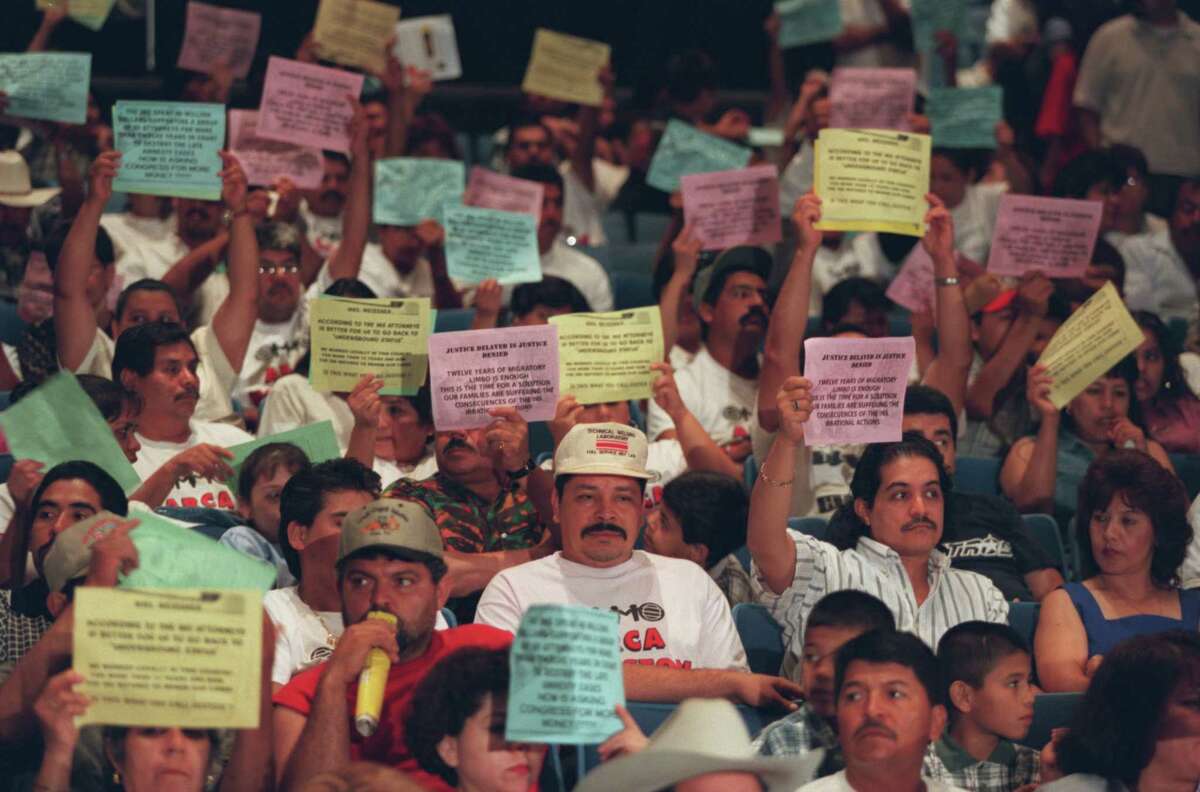 Members and supporters of Association for Residency and Citizenship of America, hold up placards during a Town Hall Meeting with Immigration and Naturalization Services Commissioner Doris Meissner to demonstrate for the reopening the amnesty application process for 350,000 immigrants who were late filing paperwork because of a misinterpretation of the 1986 Immigration Reform and Control Act. The town meeting took place at the National Council of La Raza Conference held at the George R. Brown Convention Center, Houston on July 25, 1999. Members and supporters of Association for Residency and Citizenship of America, hold up placards during a Town Hall Meeting with Immigration and Naturalization Services Commissioner Doris Meissner to demonstrate for the reopening the amnesty application process for 350,000 immigrants who were late filing paperwork because of a misinterpretation of the 1986 Immigration Reform and Control Act. The town meeting took place at the National Council of La Raza Conference held at the George R. Brown Convention Center, Houston on July 25, 1999.
International corridor Along with being a corridor to Latin America, Houston is also home to the Port of Houston, which has an immigrant history of its own. Between 1865 and 1924 the port received roughly 200,000 immigrants, mostly from Europe, making it a miniature Ellis Island. Today, the international port attracts business people from all over the world.
Houston also offers direct flights from many destinations around the world, making it an easy entry and exit point for travelers from abroad. It’s an international city that carries name recognition abroad, which can also make it more attractive to people around the world.
Refugee resettlementEscaping conflict from places like Bhutan, Bosnia and Somalia, tens of thousands of immigrants have been brought to Houston by the city’s five refugee resettlement agencies over the past several decades. With a strong network of agency staff, volunteers and private donors, Houston has become a leading city to take in newcomers fleeing devastation back home.
AGENCIES UNDER STRESS: Meet the staff working around the clock to resettle the crush of Afghan newcomers
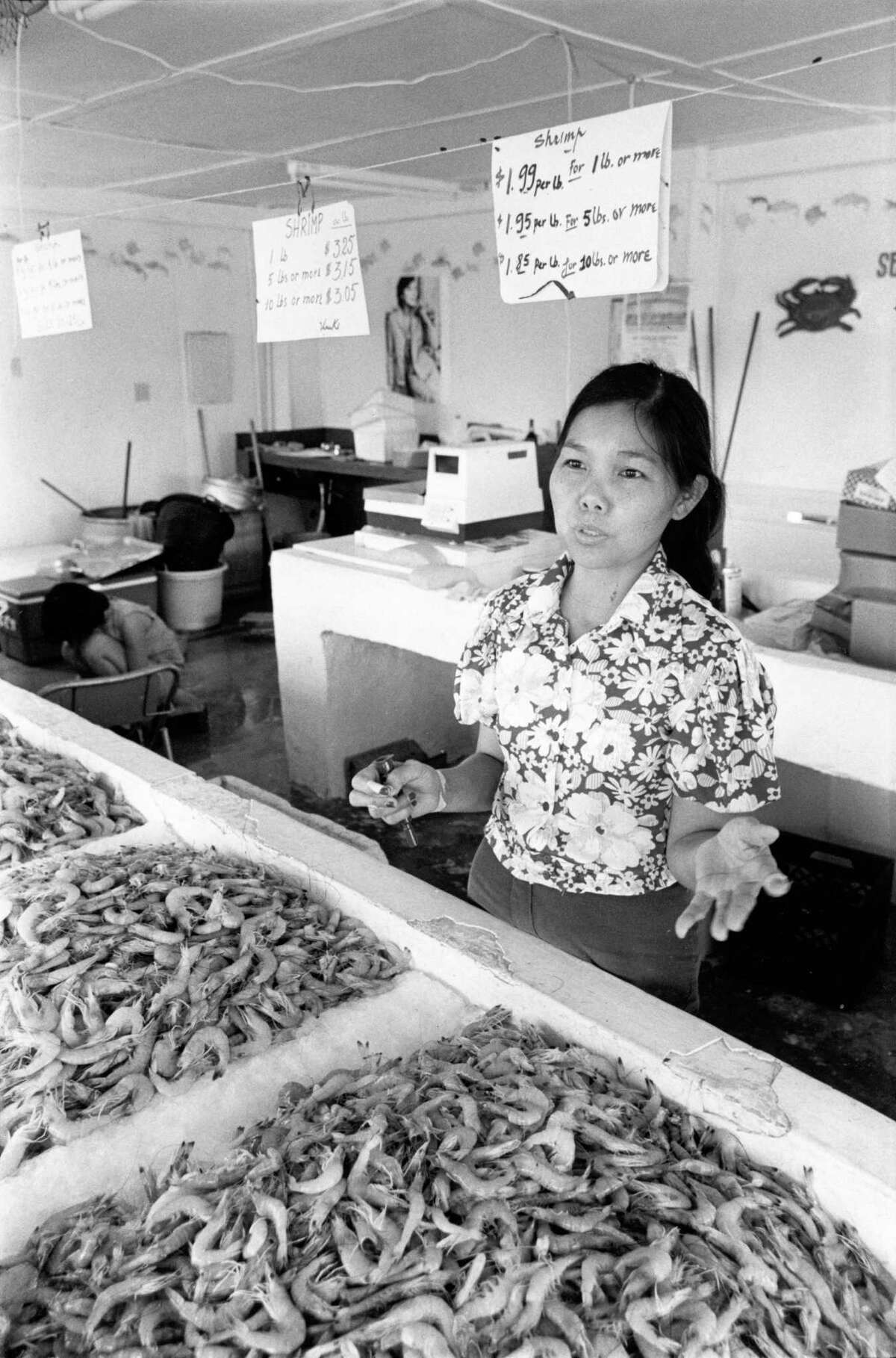
Houston’s first major wave of refugee arrivals came after the fall of Saigon in 1975. The U.S. government brought Vietnamese refugees to Houston, as a resettlement site. The humid climate, which resembled that of Vietnam, low cost of living and job opportunities attracted Vietnamese refugees, many of whom ended up working fishing and shrimping jobs along the Texas coast.
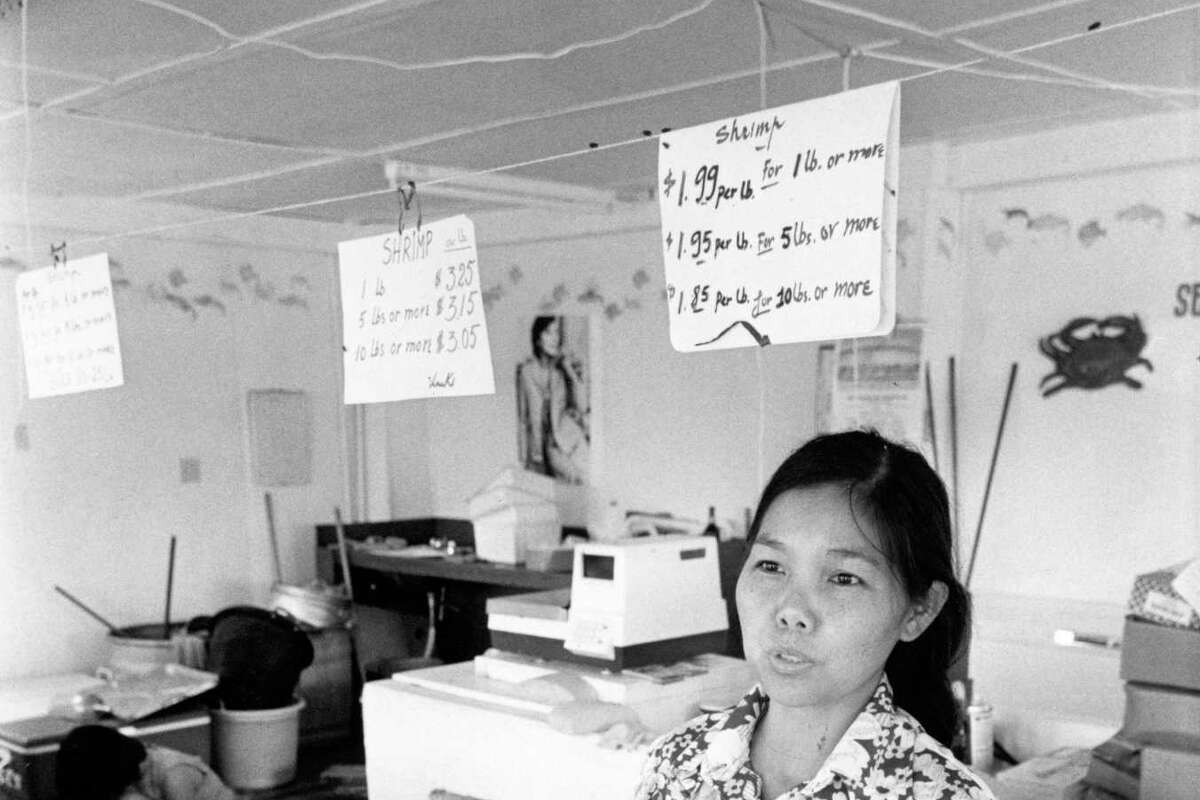
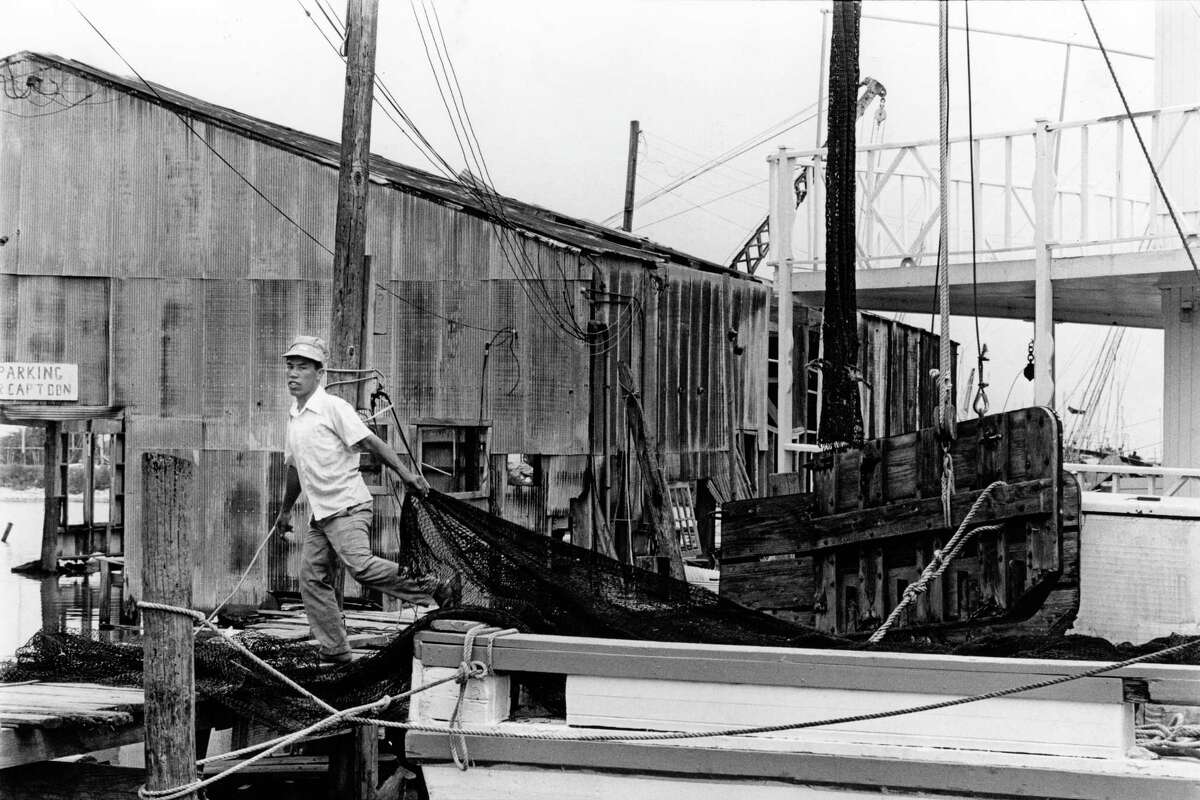
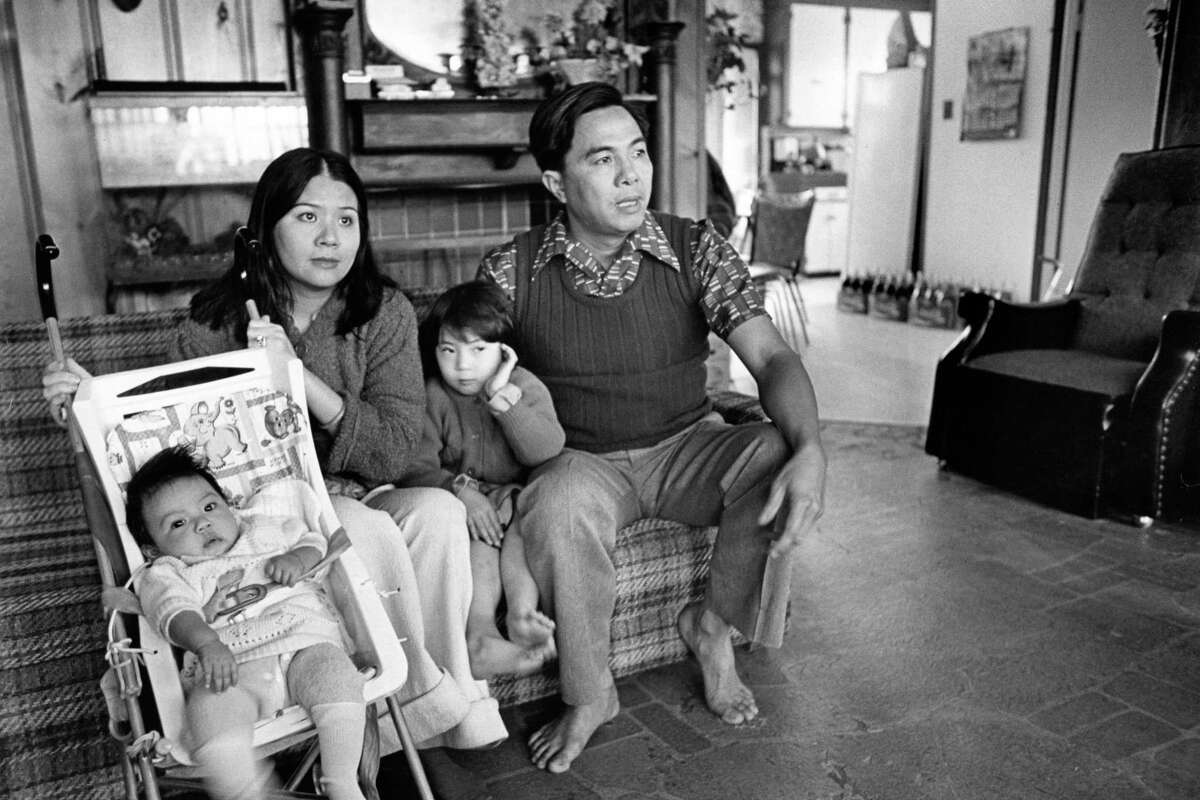
L: Tam Nguyen explains from behind the counter of her brother's fish house in Seabrook that her people feel welcome at their new home on Galveston Bay but don't understand many of the laws and customs. Photographed in August 1979. (Mike Robinson/Houston Chronicle) TOP: Truong Van Nguyen clears nets from the deck of a shrimp boat docked at Kemah where a number of Vietnamese refugees have found a home on Galveston Bay. Photographed in August 1979. (Mike Robinson/Houston Chronicle) BOTTOM: Nguyen Van Nam, a spokesman for refugee fishermen in the Galveston Bay area, and his wife, Nguyen An Tung, consider the United States their second country and themselves Vietnamese-Americans. Photographed in March 1981. (John Van Beekum/Houston Chronicle)
Community and family ties With many immigrant communities already established in Houston, the city will only attract more people from those countries. Many naturalized immigrants in Houston petition family members to join them from abroad. Plus, it’s easier to start a life in a new country with a relative around to help.
Even without family ties, immigrants often seek out established cultural communities for support to make the transition to the U.S. easier. Because of the many different nationalities represented in Houston, newcomers from many different parts of the world can find community spaces to speak and hear their native language, eat or buy food from home and practice their cultural traditions. These tight-knit immigrant groups in Houston serve as bridges to other parts of the world. Once those bridges are established, the flow of people often grows. This is especially the case if a community is fleeing extreme conditions back home.
https://www.houstonchronicle.com/news/houston-texas/immigration/article/Houston-immigrant-city-diverse-17606772.php?sid=59a6f76b24c17c0f2e5c8edd&utm_source=newsletter&utm_medium=email&utm_term=news_a&utm_campaign=HC_MorningReport |
|



