Perhaps Venezuela shall soon be democratic-enough to retrieve its gold from London
bloomberg.com
Defaulted Venezuelan Bonds Soar After US Lifts Ban on Trading- Sovereign and oil bonds rise sharply as Treasury eases rules
- Venezuela defaulted on $60 billion of debt starting in 2017
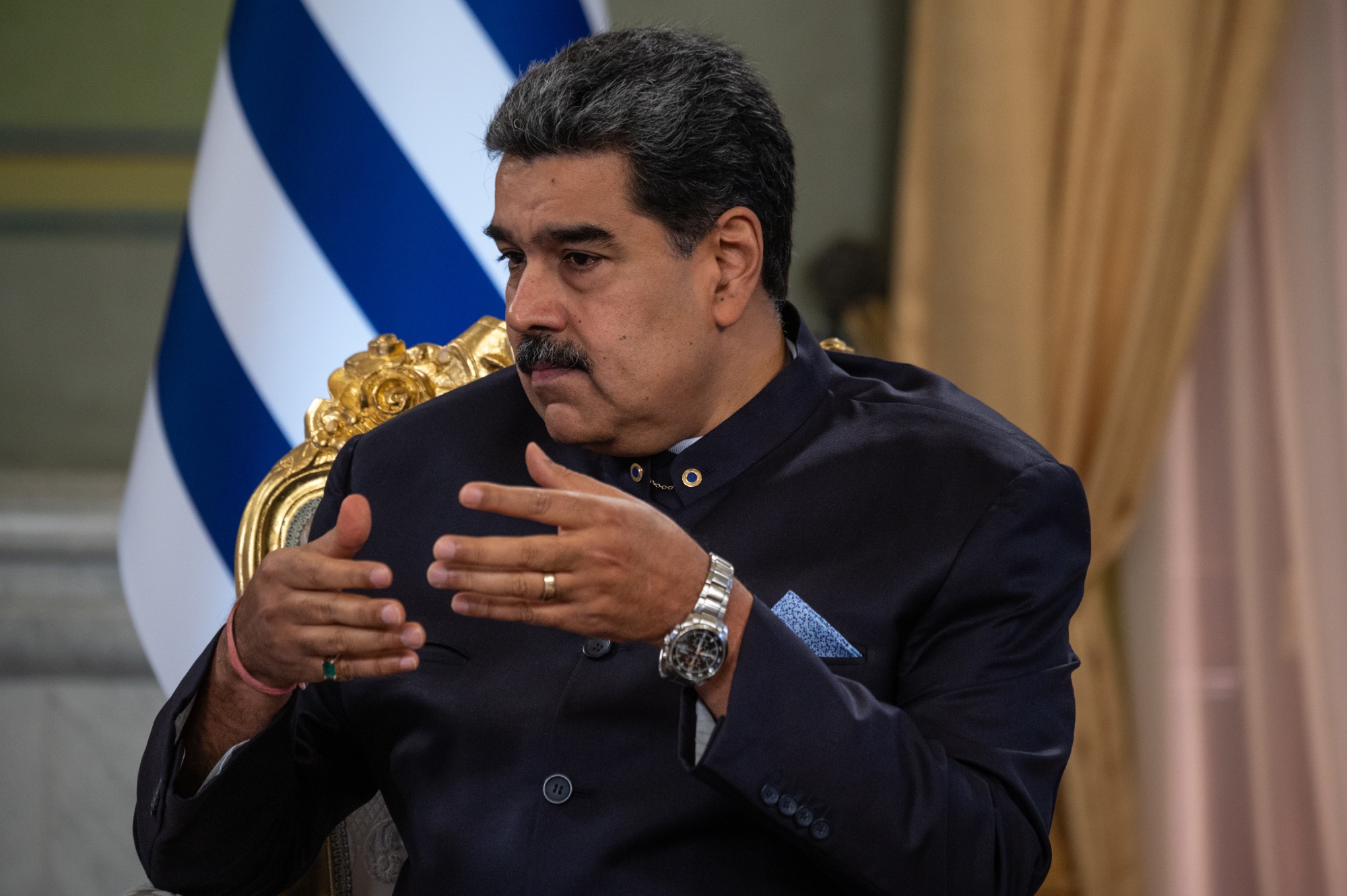
Nicolas Maduro, Venezuela’s presidentPhotographer: Gaby Oraa/Bloomberg
By Nicolle Yapur
October 19, 2023 at 7:59 PM GMT+8
Venezuela bonds rose sharply on Thursday after the Biden administration allowed US investors to buy the notes for the first time in four years as part of a sweeping sanctions relief package.
Notes from state oil company, PDVSA, jumped 10 cents in early trading to around 17 cents on the dollar, while government bonds were quoted as high as 21 cents, also a rise of about 10 cents from earlier this week, according to traders.
The US Treasury on Wednesday issued licenses that lifted a ban that prohibited US investors from trading the debt in the secondary market. The move was part of a broad set of measures that eased sanctions on oil, gas and gold production to encourage President Nicolas Maduro to hold free elections next year when Venezuelans vote for a president.
The decision effectively reverses several economic sanctions former President Donald Trump enacted in 2019 as part of a maximum pressure campaign aimed at cutting off Maduro from international capital markets and forcing him out of office after his reelection in 2018 was deemed illegitimate. Four years later, however, Maduro is still in power and US firms argue the ban has only pushed the debt into the hands of foreigners.
“The trading ban never made sense,” said Hans Humes, chief executive officer of Greylock Capital Management LLC in New York and a member of the Venezuela Creditor Committee, which lobbied the Biden administration for the change. “In this period of time, the ban damaged US interests and Venezuelan interests.”
Sanctions that prohibit Venezuela and PDVSA from selling new debt in the US remain in place. Investors who hold the debt said they expect prices to continue to rise after the new rules become clear.
“To have a proper market, we need US funds fully involved. It will take a few days due to compliance clearance,” said Claudio Zampafounder of Switzerland-based Mangart Capital Management Ltd.
Read more: Venezuela Oil, Bond Sanctions Eased in US Bet on Free Elections
Venezuela started defaulting on roughly $60 billion of sovereign and PDVSA bonds starting in 2017. Two years later, Trump cut diplomatic ties with Maduro.
Biden had previously loosened a handful of sanctions, including allowing US oil company Chevron Corp. to increase production. Representatives from both governments had been meeting privately to discuss further relief in exchange for concrete steps by Maduro to hold open presidential elections, which are scheduled for 2024. This week, the government and opposition signed an agreement on electoral conditions that met US standards, although further negotiations on its implementation are expected to continue.
Despite the US measures, there are few signs a debt restructuring is near. The first default is nearing its sixth anniversary, meaning a statute of limitations for the bonds is about to expire and bondholders are at risk of losing their right to demand for payment in court unless they sue the country in the coming months.
The Maduro government offered bondholders a suspension on the statute of limitations — known as tolling the bonds — for five years. However, this offer has no legitimacy in the US as Maduro is not recognized by US courts.
Venezuela’s opposition lawmakers, which are authorized by the US to act as representative for the country, made a similar offer in August. |



