another one, akin to steamed dumplings ala Nexperia, not-surprise, just DeepSeek and perhaps Manus, only larger and go to do things
twz.com
China’s Huge ‘GJ-X’ Stealth Drone Appears To Have Been Spotted In The Air For The First Time?
The massive 'cranked kite' planform flying-wing was first spotted on the runway at China's drone test base near Malan just a couple of months ago.
Tyler Rogoway
Published Oct 19, 2025 4:47 PM EDT
Via X
The TWZ Newsletter
Weekly insights and analysis on the latest developments in military technology, strategy, and foreign policy.
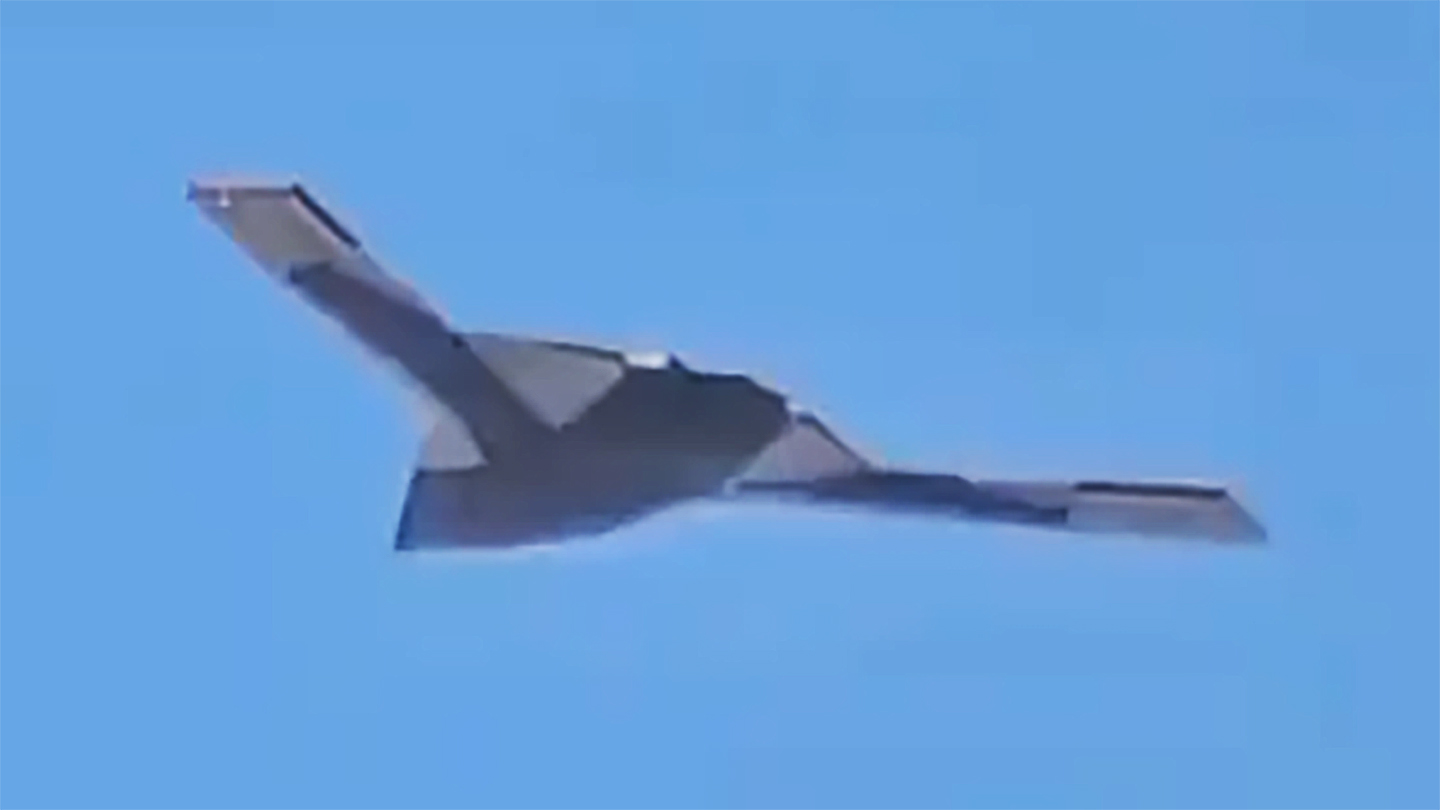
We are getting what could be our first look at China’s very large stealth ‘cranked kite’ flying-wing drone, unofficially dubbed the GJ-X, in flight. TWZ broke the news on the existence of this aircraft in September after it appeared in satellite imagery at China’s sprawling test airbase near Malanin Xinjiang province. We estimated then that the aircraft’s wingspan was roughly 42 meters (137 feet), which puts it in a very rare class for a stealthy uncrewed aircraft. Since our report, there have been persistent claims that the aircraft’s wingspan is larger than that of a B-21, but that is very unlikely to be the case. It’s still a gigantic stealthy flying wing drone, but it is not China’s largest, by a significant margin.
The short clip above shows what appears to be the same aircraft, or one with a very similar design, in flight. Building on that caveat, it is possible that the aircraft depicted is a different one than what was seen in the satellite image at Malan, with both aircraft sharing a similar ‘cranked kite’ planform. China has at least one other drone in development that shares a similar planform, although it’s possible that both aircraft are related developmentally.
It’s worth noting that we see ‘split rudders’ in the image as outboard control surfaces, which are common on flying wing concepts and found on the B-2. We also see a small hump that looks off center above the jet’s empenage. This is likely to be the top of the recessed engine exhaust pointing to a twin-engine design.
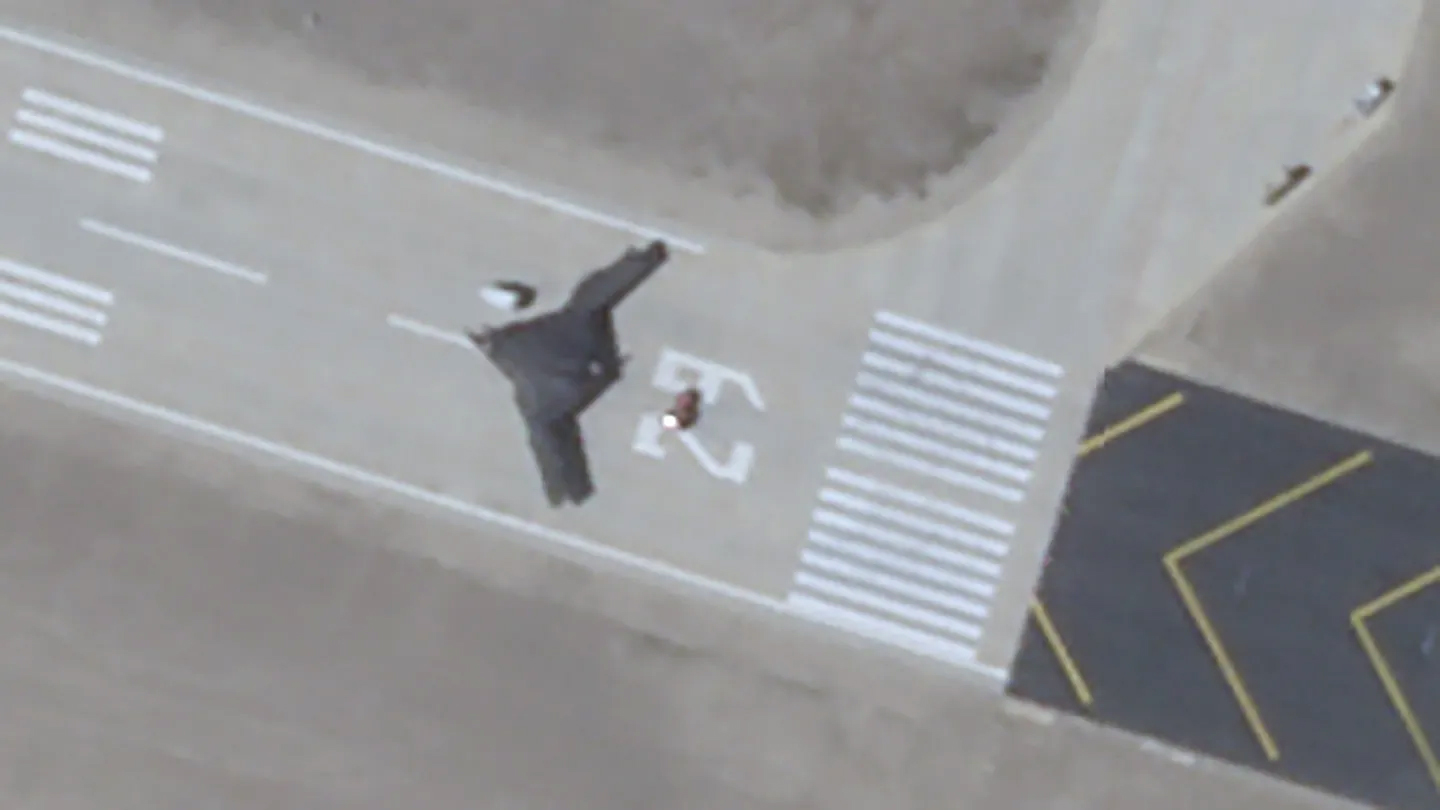 The satellite image that was the first public evidence of this aircraft existing showed it on the runway at China’s test base near Malan. (PHOTO © 2025 PLANET LABS INC. ALL RIGHTS RESERVED. REPRINTED BY PERMISSION) The satellite image that was the first public evidence of this aircraft existing showed it on the runway at China’s test base near Malan. (PHOTO © 2025 PLANET LABS INC. ALL RIGHTS RESERVED. REPRINTED BY PERMISSION)
The most interesting detail from the short video clip is the aircraft’s underside coating. It appears to have a counter-shaded paint job that is intended to make it harder to properly identify the aircraft’s shape at altitude, with the dark design taking on a more traditional fuselage and wing shape. It’s possible this could also be a coating installation process byproduct, but the shape being so clearly like a conventional aircraft configuration points to camouflage. This technique has been used for many years to visually break up an aircraft’s shape and/or misidentify its orientation.

The X-47B demonstrators were fighter-sized cranked kite flying wing UCAVs from Northrop Grumman that flew as a test program for the Navy in the 2010s. There was talk of a much larger X-47C concept that would have been nearly tactical bomber-sized that never moved ahead. Some renderings of the B-3/Next Generation Bomber also featured cranked kite planforms. (USN) The purpose of this aircraft is perhaps the most contentious aspect of its existence. Some Chinese military watchers state it’s a very large unmanned combat air vehicle (UCAV) with kinetic operations as its focus. Others claim it is straight-up an unmanned stealth bomber. Meanwhile, a reconnaissance role, taking on a similar task as America’s rumored clandestine ‘RQ-180’high-altitude, long-endurance stealth drone, is maybe the most overlooked and probable possibility. But having a multi-role aircraft that can take on various tasks, from kinetic attacks to reconnaissance, would also be highly advantageous. We just don’t know conclusively at this time what China’s intent is for the design.
The GJ-X is just one of a dizzying array of stealth combat aircraft developments over the last year, starting off with the simultaneous first flights (or at least publicly witnessed and disseminated first flights) of the so-called J-36 very heavy stealth tactical jet and the heavy J-XDS fighter, both advanced tailless designs. A steady stream of other unmanned tactical aircraft of a similar generation have been spotted or unveiled, as well. The speed at which China is now moving when it comes to advanced combat aircraft development is truly stunning, and this is just what we are allowed to see, and maybe some leaks. Much more is underway in the shadows.
Contact the author: Tyler@twz.com
Latest in People's Liberation Army Air Force (China)
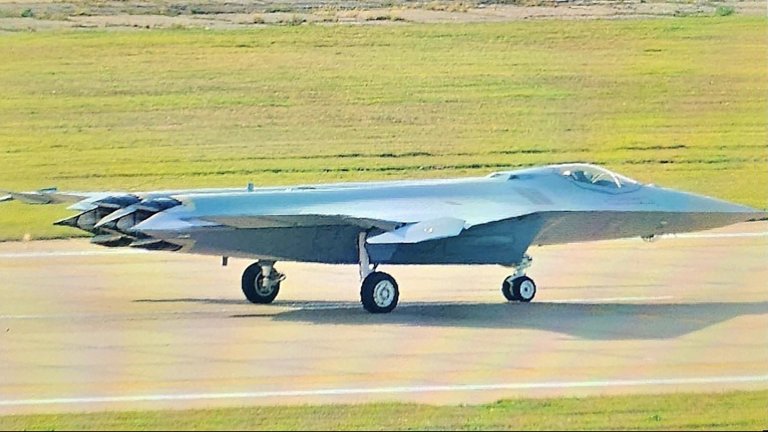
The images, if authentic, provide us with by far the clearest view of the J-XDS and answer at least one important question.
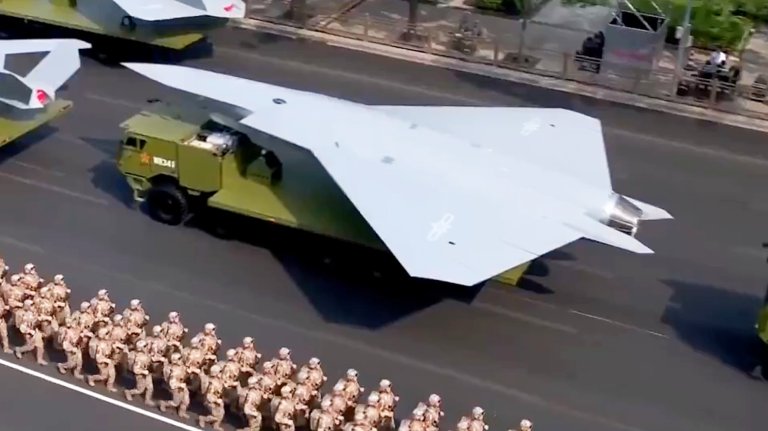
The still-unnamed fighter-sized drone is clearly optimized for high performance, likely with supersonic capabilities, as well as low observability. |



