zerohedge.com
California's Retirement Fund Lost 71% Of $468M Investment In Clean Energy And Won't Say How
by Tyler Durden
Wednesday, Oct 29, 2025 - 01:25 PM
The California Public Employees’ Retirement System (CalPERS) lost roughly 71% of its $468 million investment in a clean-energy and technology private equity fund - and won’t explain how. The losses highlight growing concerns about the pension giant’s private equity strategy, which relies heavily on opaque, illiquid investments and leaves taxpayers ultimately on the hook.
[url=]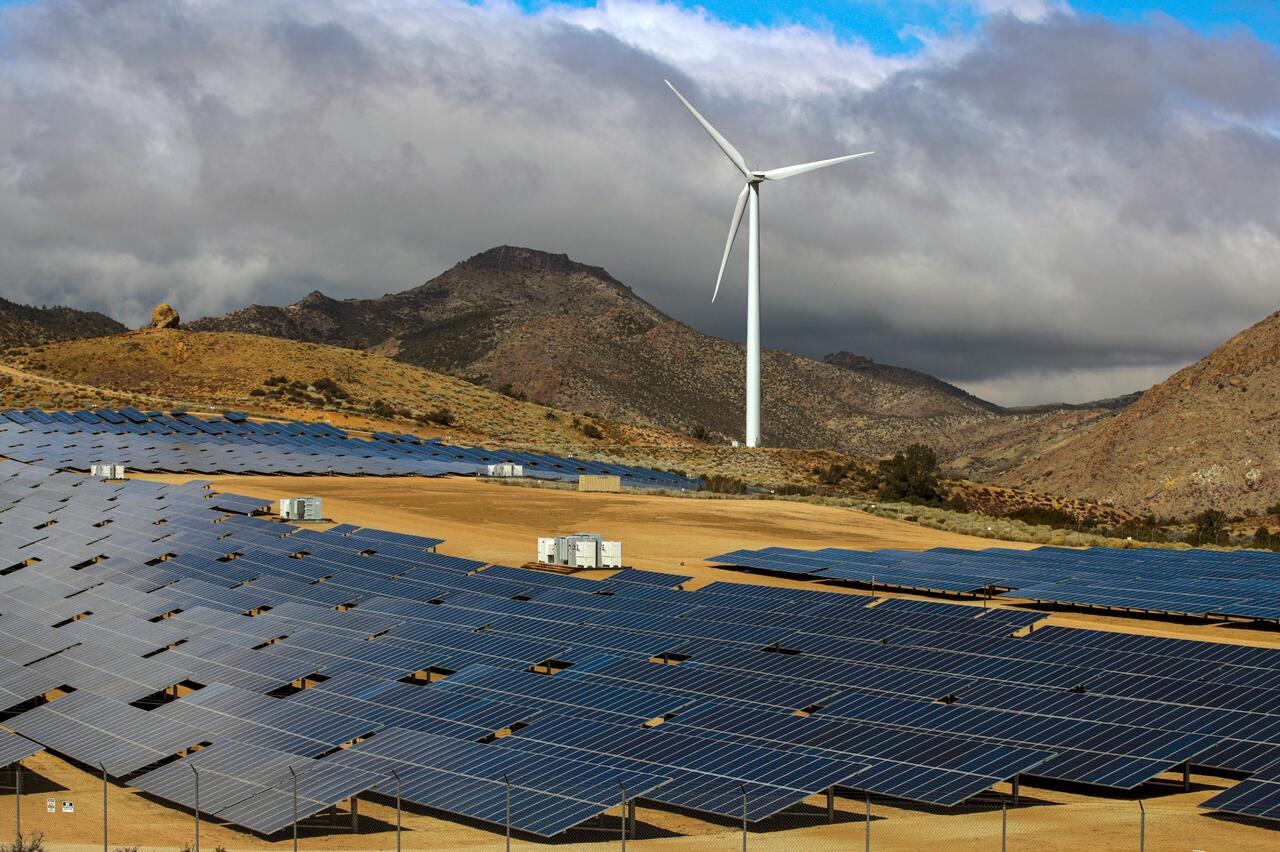 Irfan Khan/Los Angeles Times via Getty Images[/url]According to state records analyzed by the Center Square, the CalPERS Clean Energy & Technology Fund (CETF), launched in 2007, has seen its value fall from a total commitment of $468.4 million to $138 million as of March 31, 2025. That represents a loss of more than $330 million, even after paying $22 million in fees and costs to private equity managers. Irfan Khan/Los Angeles Times via Getty Images[/url]According to state records analyzed by the Center Square, the CalPERS Clean Energy & Technology Fund (CETF), launched in 2007, has seen its value fall from a total commitment of $468.4 million to $138 million as of March 31, 2025. That represents a loss of more than $330 million, even after paying $22 million in fees and costs to private equity managers.
CalPERS’ overall returns for fiscal 2024–2025 were 11.6%, with public equities returning 16.8% and private equity 14.3%. The similar performance between the two asset classes has raised questions about whether the complexity and cost of private equity are worth it.
“If you can get these kinds of returns on the public markets, why bother with all the complexities and the illiquidity involved in private equity?” said Marc Joffe, a public finance expert and visiting fellow at the California Policy Center, in an interview with The Center Square.
Joffe said the CETF losses underscore “the combined dangers of private equity and ESG investment,” describing it as an opaque strategy that appears driven by “green credentials” rather than returns. “CalPERS would be better off focusing on a diverse portfolio of publicly traded equities to get better long-term returns,” he said.
A Fund Born in the Green BoomCalPERS created CETF during the early years of the Obama administration, when government and investors poured billions into clean-energy ventures. According to PEI reports, the fund was managed by Capital Dynamics, which focused heavily on U.S. solar energy projects.
Capital Dynamics’ then–managing director Benoit Scaysbrook defended the fund’s narrow focus, saying the team preferred to specialize in solar projects rather than take a generalist approach to renewables. But many solar ventures of that era collapsed amid competition from low-cost Chinese producers. “Once a rock star in the solar industry, evergreen solar was not able to keep up with the competition from China,” a Capital Dynamics–sponsored book on clean energy investing later noted.
The best-known casualty of that boom, Solyndra, left taxpayers with more than $500 million in losses after its government-backed factory shut down.
CalPERS Shifts Strategy — But Defends Private EquityCalPERS spokesman Abram Arredondo said CETF predated the fund’s current approach.
“The CalPERS Clean Energy & Technology Fund dates back to 2007, before the pension fund’s board and staff worked together to tightly focus our private equity strategy,” Arredondo wrote to The Center Square.
He said CalPERS has since diversified investments, selected higher-performing asset managers, and reduced fees through co-investments.
“Since that time [2022], we have reduced fees by 10 percent. The private equity class has been our best performer for the past 20 years and we believe our members deserve access to its income-producing opportunities.”
Pension Gaps and Public ExposureDespite this defense, CalPERS remains only 79% funded, according to its own data, leaving $180 billion in unfunded liabilities, based on estimates from the Reason Foundation. That gap leaves California taxpayers indirectly responsible for any shortfall.
To make up ground, CalPERS has boosted its private equity allocation - from 7% in 2021 to 17% in 2024 - even though the valuations of private holdings are less transparent and based on internal estimates rather than market prices.
Private equity managers earn fees, among others, on money managed, and a large share of the profit over a certain level. These fees, estimated to cost CalPERS 6-7% per year on its private equity investments, mean that these private equity investments have to significantly outperform the broader market to overcome the fees, let alone make up for the elevated risk. -Center Square
Calls for TransparencyWhen The Center Square filed a public records request seeking details on the CETF’s investments and management contracts, CalPERS declined to provide them, citing exemptions under state law for alternative investments.
“The public should have a right to know how public money is being invested,” said David Loy, legal director for the First Amendment Coalition, in an email to The Center Square. “This is a serious transparency concern if the public doesn’t have visibility into how public money, especially pension funds, are being invested and to what degree of risk.”
The Cost of a Bad BetHad CalPERS simply invested the CETF money in an S&P 500 index fund with dividends reinvested, the stake would be worth around $3 billion today.
That gap illustrates the long-term impact of compounded losses. Negative returns erode the base of capital available for future investment - making it harder to recover. Pension managers often emphasize risk control over chasing high returns; consistent, moderate performance can outperform more volatile peers over time. |



