SI
SI
discoversearch

We've detected that you're using an ad content blocking browser plug-in or feature. Ads provide a critical source of revenue to the continued operation of Silicon Investor.  We ask that you disable ad blocking while on Silicon Investor in the best interests of our community.  If you are not using an ad blocker but are still receiving this message, make sure your browser's tracking protection is set to the 'standard' level.
Strategies & Market Trends : 2026 TeoTwawKi ... 2032 Darkest Interregnum -- Ignore unavailable to you. Want to Upgrade?


To: Snowshoe who wrote (103505)10/30/2013 1:53:19 PM
From: Maurice Winn  Respond to of 218109
 
A better app is an actual tsunami warning. Never mind the silly noisy alarms: <Honolulu adapted it to report broken tsunami warning sirens... > Our son gets tsunami warnings on his Cyberphone which come from Geonet info.geonet.org.nz

When an alarm goes near a beach, as it did at Bondi beach a week ago when we were there, was it an earthquake tsunami warning, an air raid warning, a fire alarm, invading Indonesians, a shark warning, some other warning, a lunch time siren? It turned out to be a shark warning, which most people seemed to think not worth responding to. They kept on surfing though the lifeguards advised people over a loud speaker that they should leave the water.

Cyberphones can get information immediately and in great detail. So many people have them that somebody who doesn't can ask 3 people nearby who have.

Mqurice


To: Snowshoe who wrote (103505)10/30/2013 6:50:09 PM
From: TobagoJack  Respond to of 218109
 
bullish, america changing …

… in the mean time, thanks to altruistic fed central-planning, the much anticipated china export shortfall, especially in all things t-shirts and other items plastic flowers, and already supplemented by one bay bridge, shall be augmented w/ nuclear stuff most-assuredly-not-manufactured-by-huawei, probably from the same sort of factories that supply koreans w/ gizmos and iranians w/ widgets, certainly the british nukes, and possibly the turks anti-ballistic missiles

for those so inclined and those who figured on china export decline together w/ cheap gas enabled american manufacturing renewal, it is time to call for protection of china shirts and button sectors now under threat by call of duty for tee-shirt workers to increase value-add even as absolute export continues to rise, not only for the point of export, but as a consequence of domestic consumption and market weight

wait till the trains follow the nukes and rockets and and and

not to mention alternative and secure services that offer alternatives to google and yahoo

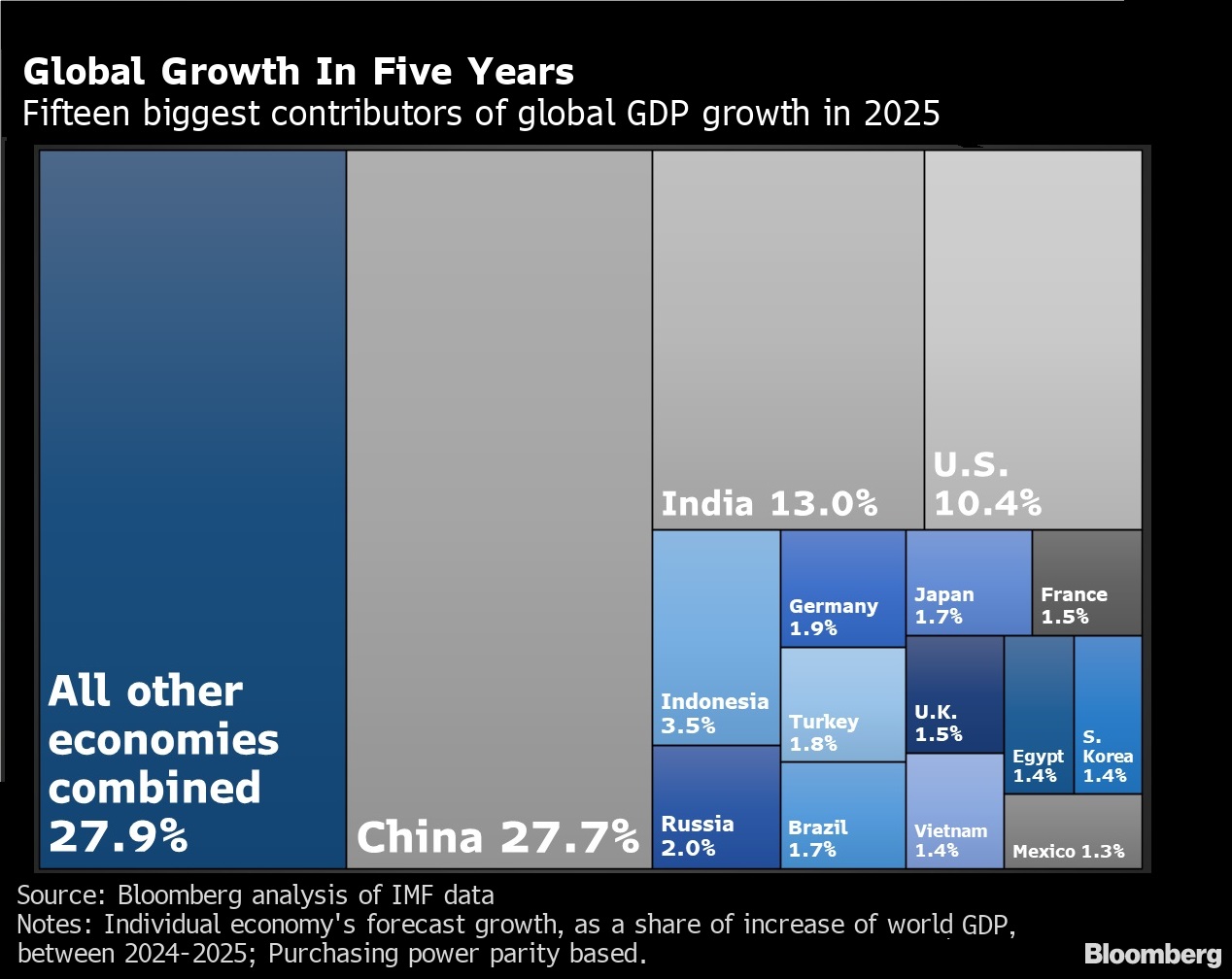
target, 36% of global gdp, plus over-shoot

recommendation, getmoregold

ft.com

China set to supply components to US nuclear power plants
China is likely to supply components to US nuclear power plants under construction as part of a bilateral co-operation agreement between the two countries, according to Ernest Moniz, the US energy secretary.

The reactors in Georgia and South Carolina are the first US nuclear plants to be built since the accident at the Three Mile Island plant in 1979. But China’s massive nuclear power expansion in recent years – which at its height saw construction begin on a new reactor every few months – means it has a manufacturing supply chain capable of supplying international power projects.

The new US reactors use Westinghouse’s AP1000 design, as do four Chinese reactors under construction, allowing economies of scale in sourcing components. Westinghouse, now owned by Toshiba, transferred the AP1000 technology to China’s State Nuclear Power Technology Co in 2006.

“It’s fundamentally the same generation III technology that is being applied to the four plants now in China, and those four plants in the southeastern United States,” said Mr Moniz in Beijing on Wednesday.

“To the extent to which the companies jointly develop the design basis and the supply chains, that’s going to be implemented in both countries.”

The co-operation could lead to Westinghouse, SNPTC and China National Nuclear Corp teaming up to tender for a UK nuclear project, Mr Moniz said. China’s other major nuclear company, China General Nuclear Power, has agreed to partner France’s EDF in a deal to build the Hinkley Point nuclear power plant in the UK.

Mr Moniz was in China for the start of construction work at the Center of Excellence on Nuclear Security, a bilateral project designed to help train Chinese technicians in operational safety. China’s rapid nuclear power expansion has left it with a shortage of experienced operational staff.

The joint venture between Westinghouse and SNPTC is a channel to source components for Westinghouse’s global projects, Chinese nuclear power executives told the Financial Times.

Specific components have not yet been identified for export, but possibilities include pressure vessels, steam generators and reactor coolant pipes. China is already a source of components for thermal power plants around the world.

Westinghouse did not immediately respond to requests for comment.

The four new reactors being built in the US are being closely watched as indicators of the future of the country’s nuclear industry.

Nuclear power has come under severe economic pressure as a result of competition from plants burning cheap gas unlocked by the shale revolution, and US generators have generally been delaying or abandoning plans for new reactors.

The first project scheduled to be completed is at Vogtle in Georgia, where a consortium led by Southern Company, one of the largest US utilities, is building two AP1000s, scheduled to be completed in 2017 and 2018 at a total cost estimated at $14bn.

The project has been offered an $8.3bn loan guarantee from the federal government, and is in negotiations about final terms. Its economics are also underpinned by selling the power in a regulated market, where it will be able to pass on most of its costs on to consumers.

As the project’s costs have risen, however, the consortium has been in negotiations with regulators about whether it will be able to pass on the overruns, and the uncertainty about future decisions creates an incentive to hold costs down as far as is possible.


To: Snowshoe who wrote (103505)11/3/2020 7:10:48 PM
From: TobagoJack  Respond to of 218109
 
Following up on narrative floated long ago, that Team China shall veer towards 36% of global GDP, by and by, as progressing from TeoTwawKi towards Darkest Interregnum, and onward to new-new paradigm, not so much by arms and legs as some posited, by maybe by arms and legs attached to brains as I reckoned, enabled by reform, helped by stability, and to grow grow grow

as I messaged some pole climber Message 30891856 (circa 2016 December) <<... the next 15 years on this thread should be a lot of fun>>, and so the first 4 has been fun, and better, profitable.

Message 31015412

The <<reform>> is progressing, even as CoVid slowed but did not alter vector, towards <<36% of global GDP>>. The fun is not about arriving, but to do with the journey.


IOW, all seems to be going okay, and better,, for the plan going forward also seems okay, per returning to natural size :0)

bloomberg.com

Xi Says Economy Can Double as China Lays Out Ambitious Plans
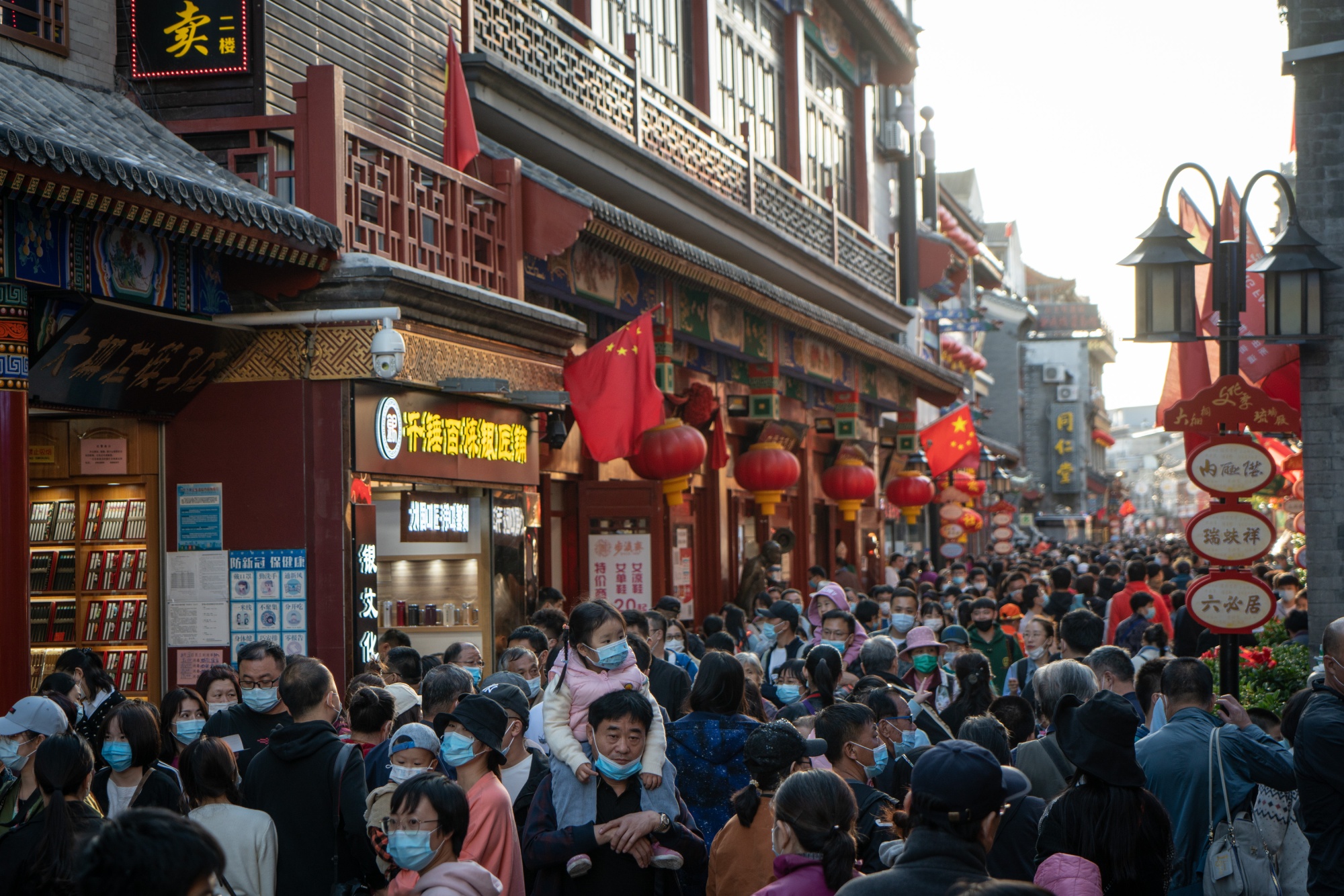


Economists surveyed by Bloomberg see the economy expanding by 2.1% this year as a result of the coronavirus pandemic, accelerating to 8.0% in 2021.

Photographer: Yan Cong/Bloomberg
LISTEN TO ARTICLE
Sign up for Next China, a weekly email on where the nation stands now and where it's going next.

Chinese President Xi Jinping said the economy can double in size by 2035 and the country can reach high-income status in the next five years as the Communist Party outlined ambitious plans for the nation’s future.

“It is entirely possible to reach the high-income country status by current standards by the end of the 14th Five-Year Plan, and to double the total economic output or per capita income by 2035,” Xi said in a speech to the party’s Central Committee, according to state media Xinhua.

Read More: China Pledges Quality Growth, Tech Powerhouse in 5-Year Plan

Based on a rough estimate, doubling economic output by 2035 would mean an annual growth rate of nearly 4.7%, said Hong Hao, chief strategist for Bocom International in Hong Kong. “This is ambitious, as the Chinese economy is already of significant size.”


This new target is similar to the current goal to double the country’s gross domestic product and income from 2010’s levels by 2020, as well as building a ‘moderately prosperous society’ by the end of this year.

China will formally announce victory on that target after conducting a systematic assessment in the first half of next year, Xi said, according to Xinhua.

Economists surveyed by Bloomberg see the economy expanding by a mere 2.1% this year as a result of the coronavirus pandemic, accelerating to 8.0% in 2021. The statement didn’t specify on which year the target of doubling the size of the economy would be based.

The Central Committee released a broad framework of its five-year economic plan last week, focusing on self-reliance in technology, boosting domestic consumption and pursuing quality growth over speed.

What Bloomberg Economics Says...“Further steps are needed to encourage innovation, expand domestic demand and enhance economic efficiency.”

-- David Qu, economist

For full report, click here

Xi cited instability and uncertainty in the global environment in coming years, with many risks that could affect the domestic economy, according to Xinhua. The Covid-19 pandemic has had far-reaching effects and the world economy may continue to suffer, the state media agency cited him as saying.

Xinhua also published more detailed proposals from the five-year plan, including:

Promoting yuan internationalization in a “steady and prudent” mannerSupporting Beijing, Shanghai and the Greater Bay area of Guangdong, Hong Kong and Macau as international technology innovation centers Strengthening domestic oil and gas production while also promoting clean energyChina has the world’s second-largest economy, estimated at $14.3 trillion in current dollars by the World Bank. The Washington-based lender categorizes China as an upper middle-income economy with a per-capita income of $10,410. A high-income country is one with gross national income per capita of $12,375 or more.

— With assistance by John Liu, Lin Zhu, and Lucille Liu

(Updates from third paragraph with more details.)

Before it's here, it's on the Bloomberg Terminal.
LEARN MORE

