SI
SI
discoversearch

We've detected that you're using an ad content blocking browser plug-in or feature. Ads provide a critical source of revenue to the continued operation of Silicon Investor.  We ask that you disable ad blocking while on Silicon Investor in the best interests of our community.  If you are not using an ad blocker but are still receiving this message, make sure your browser's tracking protection is set to the 'standard' level.
Pastimes : vitamins herbs supplements longevity and aging -- Ignore unavailable to you. Want to Upgrade?


To: mel221 who wrote (12959)11/2/2015 7:55:32 AM
From: Pogeu Mahone  Read Replies (1) | Respond to of 17109
 
Mel
you are one of the most confused individuals posting on health at SI.
You canot find your ass with both hands.


To: mel221 who wrote (12959)11/10/2015 9:22:32 AM
From: Pogeu Mahone  Respond to of 17109
 
Prediabetes: An elephant in the room

November is National Diabetes Month, and it's unfortunate that we need to dedicate an entire month to increasing awareness about this disease. It's estimated that 29 million folks in the United States have diabetes, and even more surprising, 1 out of 4 of us don't even know that we have it.

Individuals develop diabetes because they aren't producing enough of the hormone insulin, and/or have developed a resistance to insulin, such that their cells do not respond to the hormone when it arrives. Obesity has been identified as one factor that increases the cell's resistance to insulin.

SEE ALSO: Protesters for higher U.S. fast-food worker wages march in New York

Insulin's job in the body is to direct glucose, the most abundant sugar in foods, into the cells to be used as immediate energy or stored in another form for later use. With diabetes, insulin may be available in the blood but the cells' decreased sensitivity to it interferes with its ability to work properly in the body. The bloodstream ends up becoming flooded with glucose that can't enter the cells for its use. Because of this, many individuals have to take medication to help the insulin work properly and/or inject themselves with insulin to manage their blood glucose levels.

Click through to see pictures of celebrities with diabetes:

PHOTO GALLERY | 1 of 15 IMAGES


??


Tom Hanks

Tom Hanks attends "An Evening of SeriousFun Celebrating the Legacy of Paul Newman", hosted by the SeriousFun Children's Network at Avery Fisher Hall on Monday, March 2, 2015, in New York. (Photo by Evan Agostini/Invision/AP)

But there is an even larger elephant in the room. More than a third of Americans, 86 million adults, have prediabetes. These folks are on deck to develop diabetes in the future. Prediabetes is a condition whereby individuals have higher than normal blood glucose levels but not quite high enough to be classified as having diabetes. Unfortunately, individuals with prediabetes not only have a higher risk of developing diabetes but also heart disease and stroke.

Click here for this interactive quiz to see if you have or are at risk for prediabetes.

The good news is that research suggests that those with prediabetes can prevent or delay getting diabetes by as much as 58 percent by losing a modest amount of weight (7 percent of a person's body weight) and moving regularly (walking 2.5 hours weekly).

According to registered dietitian nutritionist Toby Smithson, author of "Diabetes Meal Planning and Nutrition for Dummies" and a spokesperson for the Academy of Nutrition and Dietetics, studies have shown that meeting with a registered dietitian nutrition, who can design an eating plan that meets your needs, reduces both the need for medications and the risk of developing the health complications from diabetes. You can find a RDN who specializes in diabetes on the AND website.

The appointments could be covered by your health insurance. This could be the best way to tackle the elephant in the room.

Copyright 2015 U.S. News & World Report


To: mel221 who wrote (12959)11/10/2015 9:25:36 AM
From: Pogeu Mahone  Respond to of 17109
 
Prediabetes: Am I at risk?

Prediabetes Infographic


Print Ready [PDF-462KB]
Web-ready version [JPG]

1 in 3 U.S. adults has prediabetes.
Most don’t know it. Are you at risk?
You may have prediabetes and be at risk for type 2 diabetes if you:

Are 45 years of age or olderAre overweightHave a family history of type 2 diabetesHave high blood pressureAre physically active fewer than three times per weekEver had diabetes while pregnant (gestational diabetes) or gave birth to a baby that weighed more than 9 pounds

What is prediabetes?Having prediabetes means your blood glucose (sugar) level is higher than normal, but not high enough to be diagnosed as diabetes. But, nearly 90 percent of adults who have prediabetes don’t know they have it.

Prediabetes can lead to serious health problemsIf you have prediabetes and don’t lose weight or increase your physical activity, you could develop type 2 diabetes within five years.

Type 2 diabetes is a serious condition that can lead to health issues such as


Heart attack,Stroke, blindness,Kidney failure,loss of toes, feet or legs.What can you do?Find out if you could have prediabetes.

Take the online quiz.Download and print a copy at Prediabetes Screening Test [PDF-758 KB] or Cuestionario para la detección de la prediabetes [PDF-455 KB].Talk to your health care provider and ask to be tested for prediabetes, if your score shows you are at high risk for prediabetes,. Your health care provider may do a simple blood test.

Top of Page

Here’s the good news

There is a proven lifestyle change program that can help you prevent or delay getting type 2 diabetes—the National Diabetes Prevention Program (National DPP). It will help you lower your risk by teaching you how to improve your food choices and increase your physical activity.

How does it work?
Work with a trained lifestyle coach in your community or online to learn the skills you need to make lasting lifestyle changes.Learn to eat healthy, add physical activity to your lifeManage stress, stay motivated and solve problems that can get in the way of healthy changesWhat participants are saying…
“ I love having a lifestyle coach. She has given us great information, helped me stay on track and stay positive!” —Bruce

“ I’m so excited because I went to the doctor last week and all of my numbers were down and I officially no longer have prediabetes.”—Vivien

Features of the Lifestyle Change program
Trained coach to guide and encourage youIn-person or onlineCDC-approved programSupport from others working on the same goals as youSkills to help you lose weight, be more physically active and manage stressSome insurance companies will cover

Now is the time to take charge of your health and make a change! Talk to your doctor or nurse and find out if there is a National Diabetes Prevention Program offered in your community.


To: mel221 who wrote (12959)11/10/2015 9:29:00 AM
From: Pogeu Mahone  Respond to of 17109
 
Being normal weight with belly fat more deadly than obesity
ISTOCKPHOTO

4 Comments Shares 49 Tweets Stumble EmailMore +
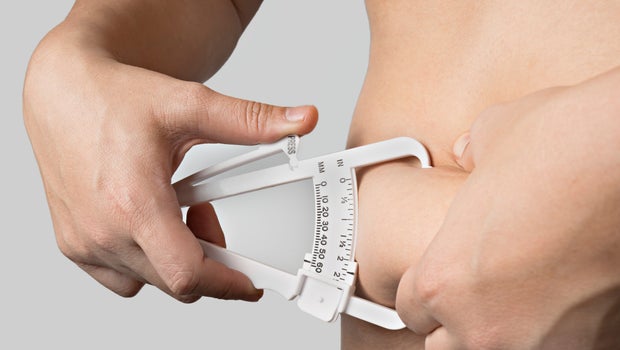
It's common knowledge by now that obesity causes a range of health problems, including heart disease, type 2 diabetes and earlier death. But there's growing evidence that it's not just how much fat you carry, but where it's located, that matters.

Now, a new study shows that thin people who carry fat around their midsection -- known as central obesity -- are at greater risk than people who are overweight or obese based on body mass index (BMI). The results are published in the Annals of Internal Medicine.

While previous research has shown that central obesity is associated with increased risk of both cardiovascular and overall causes of death, this was the first study to specifically address the question in people of normal weight.

"This idea that central obesity might be related to health issues is not new. It's been proposed for a number of years," lead study author Dr. Francisco Lopez-Jimenez, a cardiovascular specialist at the Mayo Clinic, told CBS News. "However, for all that time, it has been the assumption that if somebody has central obesity, the person is very likely obese. But in this study, we actually proved that a person can be centrally obese and have normal BMI and that person is at a greater risk for serious health problems."


7 bad habits that could be wrecking your diet
Lopez-Jiminez and his team analyzed data from over 15,000 U.S. adults ages 18 to 90 who participated in the Third National Health and Nutrition Examination Survey. After an average follow-up of 14 years, just over 3,200 deaths occurred.

The results showed that normal-weight adults with central obesity -- measured by waist-hip ratio -- have the worst long-term survival compared with any group, regardless of BMI. In fact, the data showed that normal-weight people with fat around the midsection were twice as likely to die compared people who were overweight or obese according to BMI.

Experts say that there are several possible explanations for these findings. First, central obesity is associated with an increased accumulation of visceral fat, which is stored around a number of internal organs, such as the liver, pancreas and intestines.

"It's not just the fat you can see when your 'spare tire' rolls over your pant line," Dr. Daniel Neides, medical director of the Wellness Institute at Cleveland Clinic, told CBS News. "But it's actually the fat that is deposited within the abdomen and it really covers the organs within the abdominal cavity."

This fat, experts say, is more harmful than the fat beneath the skin -- clinically referred to as subcutaneous fat -- and can lead to insulin resistance, which can be a precursor to type 2 diabetes, high cholesterol and a host of chronic diseases.

Visceral fat also leads to an increase leptin, the "satiety hormone" that tells your brain when you're full, Neides said. "But when you have all this visceral fat that's releasing a tremendous amount of leptin, it's similar to insulin resistance. You get leptin resistance," he explained. "So your brain never shuts off or realizes that you're not hungry anymore, so these patients end up overeating and bringing in more sugar and more insulin and it becomes this vicious cycle." Neides was not involved in the study.

The best exercise for controlling belly fat Diet sodas linked to increase in belly fatConversely, some people who are overweight or obese may have larger amounts of subcutaneous fat in the hips and legs, which research suggests may actually have some protective benefits.

"The fat in these locations below the waist has shown to improve insulin sensitivity, is related to less inflammation and a decreased risk of diabetes," Lopez-Jimnez said.

However, he warns that this does not mean people with central obesity should try to gain more weight in hopes redistributing fat. "The problem is that we don't know how fat is going to accumulate," he said. "Chances are if somebody is centrally obese, if that person gains more fat, it will very likely just go to the belly area because whatever the mechanisms are, that person seems to be at risk for central obesity."

Experts say the findings suggest normal-weight people with central obesity may represent an important target population for lifestyle modification and other preventive strategies, such as diet change, exercise and stress management.

"The study highlights that it's not just about the fat that you can necessarily see under the surface of the skin," Neides said. "This is really about people who have excess visceral fat, identifying it and being aggressive about helping them to reverse their risk of developing chronic diseases."

In an accompanying editorial, Dr. Paul Poirier, a cardiologist at the Quebec Heart and Lung Institute, said that to better identify people at the greatest risk for chronic diseases, clinicians should look beyond BMI and consider waist-hip ratio.

"Although assessing for total fat mass with BMI to identify patients at greater cardiovascular risk is a good start," he wrote, "it is not sufficient."

© 2015 CBS Interactive Inc. All Rights Reserved.
4 Comments Shares 49 Tweets Stumble EmailMore +

  • Ashley Welch

