I have had deer living in my back yard for 4 to 8 years years.
Some years she goes somewhere else but has returned twice.
Each year the mother has 2 fawns.
I wonder how many different species can carry covid 19?
Whoops the "experts" wonder also.
Animals and COVID-19 | CDC
cdc.gov › 2019-ncov › daily-life-coping
Recent experimental research shows that many mammals, including cats, dogs, bank voles, ferrets, fruit bats, hamsters, mink, pigs, rabbits, racoon dogs, tree ...etc
------------------------------------------
Animals and COVID-19
Updated Nov. 18, 2021
Languages
Print
What You Need to Know
The risk of animals spreading SARS-CoV-2, the virus that causes COVID-19, to people is low.The virus can spread from people to animals during close contact.More studies are needed to understand if and how different animals could be affected by COVID-19.People with suspected or confirmed COVID-19 should avoid contact with animals, including pets, livestock, and wildlife.
For Pet Owners, Veterinarians, & Public Health Officials
Pet Owners, Veterinarians, and Others Handling Animals COVID-19 Pets and Animals Frequently Asked Questions Animal Testing Guidance Toolkit for State Health Veterinarians and Public Health Officials
Coronaviruses are a large family of viruses. Some coronaviruses cause cold-like illnesses in people, while others cause illness in certain types of animals, such as cattle, camels, and bats. Some coronaviruses, such as canine and feline coronaviruses, infect only animals and do not infect people.
Risk of animals spreading SARS-CoV-2 to people
Based on the available information to date, the risk of animals spreading COVID-19 to people is considered to be low.
At this time, there is no evidence that animals play a significant role in spreading SARS-CoV-2, the virus that causes COVID-19, to people. More studies are needed to understand if and how different animals could be affected by SARS-CoV-2.
Some coronaviruses that infect animals can be spread to people and then spread between people, but this is rare. This is what happened with SARS-CoV-2, which likely originated in bats.
Top of Page
Risk of people spreading SARS-CoV-2 to animals
People can spread SARS-CoV-2 to animals, especially during close contact.
Reports of animals infected with SARS-CoV-2 have been documented around the world. Most of these animals became infected after contact with people with COVID-19, including owners, caretakers, or others who were in close contact. We don’t yet know all of the animals that can get infected. Animals reported infected include:
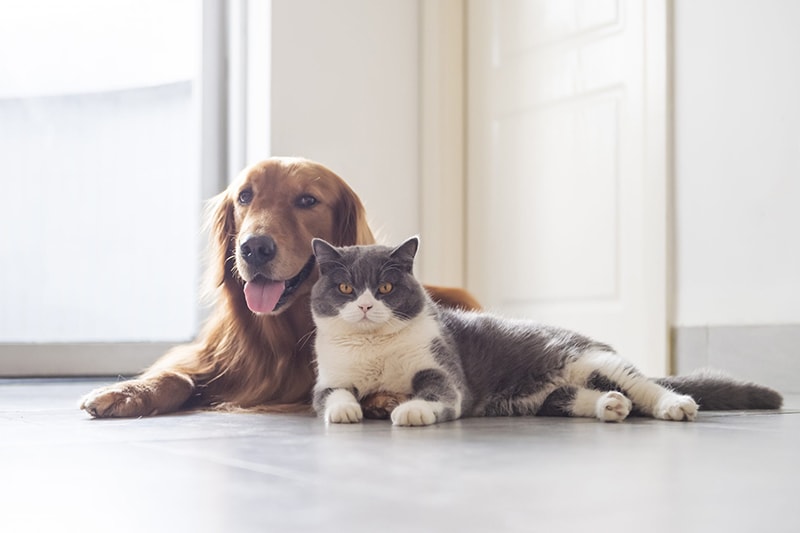
Companion animals, including pet cats, dogs, and ferrets.Animals in zoos and sanctuaries, including several types of big cats, otters, non-human primates, a binturong, a coatimundi, a fishing cat, and hyenas.Mink on mink farms.Wild white-tailed deer in several U.S. states.For information on how to protect pets and animals:
If You Have Pets Companion Animals with COVID-19: Toolkit for Health Officials Veterinary Clinics: Interim Infection Prevention and Control Guidance Reducing Risk of Spreading COVID-19 between People and Wildlife Interim recommendations for intake of companion animals from households where humans with COVID-19 are presentexternal iconMink and SARS-CoV-2
SARS-CoV-2 has been reported in farmed mink worldwide. Currently, there is no evidence that mink are playing a significant role in the spread of COVID-19 to people.
SARS-CoV-2 has been reported in mink on farms in multiple countries.
In the United States, respiratory disease and increases in mink deaths have been seen on most affected mink farms. However, some infected mink might also appear healthy. Infected workers likely introduced SARS-CoV-2 to mink on the farms, and the virus then began to spread among the mink. Once the virus is introduced on a farm, spread can occur between mink, as well as from mink to other animals on the farm (dogs, cats). One wild and one escaped mink found near affected farms in Utah were found to be infected with SARS-CoV-2.
Currently, there is no evidence that mink play a significant role in the spread of SARS-CoV-2 to people. However, there is a possibility of mink spreading SARS-CoV-2 to people on mink farms. Mink-to-human spread of SARS-CoV-2 has been reported in the Netherlands, Denmark, and Poland, and new data suggest it might have occurred in the United States.
Investigations found that mink from a Michigan farm and a small number of people were infected with SARS-CoV-2 that contained unique mink-related mutations (changes in the virus’s genetic material). This suggests mink-to-human spread might have occurred.Finding these mutations in mink on the Michigan farm is not unexpected because they have been seen before in mink from farms in the Netherlands and Denmark, and also in people linked to mink farms worldwide.To confirm the spread of SARS-CoV-2 from mink to people, public health officials would need more information on the epidemiology and genetics of the virus in mink, mink farm workers, and the communities around mink farms.These results highlight the importance of routinely studying the genetic material of SARS-CoV-2 in susceptible animal populations like mink, as well as in people.
Guidance is available to protect worker and animal health, developed collaboratively by the U.S. Department of Agriculture (USDA), CDC, and state animal and public health partners using a One Health approach:
Prevent Introduction of SARS-CoV-2 on Mink Farms: Interim SARS-CoV-2 Guidance and Recommendations for Farmed Mink and Other Mustelidspdf iconexternal icon
Response and Containment Guidelines: Interim Guidance for Animal Health and Public Health Officials Managing Farmed Mink and other Farmed Mustelids with SARS-CoV-2pdf iconexternal icon
USDA maintains a listexternal iconexternal icon of all animals and mink farms in the United States with SARS-CoV-2 infections confirmed by their National Veterinary Services Laboratories.
Top of Page
Research on animals and COVID-19
More studies are needed to understand if and how different animals could be affected by COVID-19.
Many studies have been done to learn more about how this virus can affect different animals. These findings were based on a small number of animals, and do not show whether animals can spread infection to people.
Recent experimental research shows that many mammals, including cats, dogs, bank voles, ferrets, fruit bats, hamsters, mink, pigs, rabbits, racoon dogs, tree shrews, and white-tailed deer can be infected with the virus. Cats, ferrets, fruit bats, hamsters, racoon dogs, and white-tailed deer can also spread the infection to other animals of the same species in laboratory settings.
A number of studies have investigated non-human primates as models for human infection. Rhesus macaques, cynomolgus macaques, baboons, grivets, and common marmosets can become infected with SARS-CoV-2 and become sick in a laboratory setting. There is some evidence suggesting that laboratory mice, which could not be infected with original strains of SARS-CoV-2, can be infected with new virus variants.
Chickens and ducks do not seem to become infected or spread the infection based on results from studies.
Top of Page
What CDC is doingSince the beginning of the pandemic, CDC has been leading efforts to improve our understanding of how SARS-CoV-2 affects animals and how the virus might spread between people and animals. CDC has also worked to improve coordination of federal, state, and other One Health partners.
CDC leads the One Health Federal Interagency COVID-19 Coordination (OH-FICC) Group, which brings together public health, animal health, and environmental health representatives from more than 20 federal agencies to collaborate and exchange information on the One Health aspects of COVID-19. For example, the group researches and develops guidance on the connection between people and pets, wildlife, zoo animals, and livestock; animal diagnostics and testing; and environmental health issues relevant to COVID-19.CDC leads the State-Federal One Health Update Call to bring local, state, tribal, and territorial partners together with OH-FICC members.CDC, USDA, state public health and animal health officials, and academic partners are working in some states to conduct active surveillance (proactive testing) of SARS-CoV-2 in pets, including cats, dogs, and other small mammals, that had contact with a person with COVID-19.CDC deployed One Health teams to multiple states to support state and local departments of health and agriculture, federal partners, and others in conducting on-farm investigations into SARS-CoV-2 in people, mink, and other animals (domestic and wildlife). The teams collected samples from animals on the farms and from people working on the farms and in surrounding communities. These investigations are ongoing.
Top of Page
Related Pages Interim Infection Prevention and Control Guidance for Veterinary Clinics Treating Companion Animals During the COVID-19 Response Reducing the Risk of SARS-CoV-2 Spreading between People and Wildlife Guidance for Handlers of Service and Therapy Animals
Top of Page
More Information
Information on Bringing an Animal into the United States World Organisation for Animal Health: COVID-19 Events in Animalsexternal icon USDA: Confirmed cases of SARS-CoV-2 in Animals in the United Statesexternal icon USDA: Coronavirus Disease 2019external iconexternal icon FDA: Coronavirus Disease 2019external iconexternal icon
Media Announcements
Confirmation of COVID-19 in Hyenas at a Colorado Zooexternal icon Confirmation of COVID-19 in a Coatimundi at an Illinois Zooexternal icon Confirmation of COVID-19 in a Binturong and a Fishing Cat at an Illinois Zooexternal icon Confirmation of COVID-19 in Ferret in Floridaexternal icon Confirmation of COVID-19 in Deer in Ohioexternal icon Texas A&M Research Uncovers First Known COVID-19 UK Variant In Animalsexternal icon Confirmation of COVID-19 in a Snow Leopard at a Kentucky Zoo?external icon USDA Confirms SARS-CoV-2 in Mink in Utahexternal icon Confirmation of COVID-19 in Pet Dog in New Yorkexternal icon Confirmation of COVID-19 in Two Pet Cats in New York USDA Statement on the Confirmation of COVID-19 Infection in a Tiger in New Yorkexternal icon
Facebook Twitter LinkedIn Syndicate
Last Updated Nov. 18, 2021
|



