Bloomberg dancing
bloomberg.com
US Faces Skepticism Over Deterring China as Trump Eyes Greenland
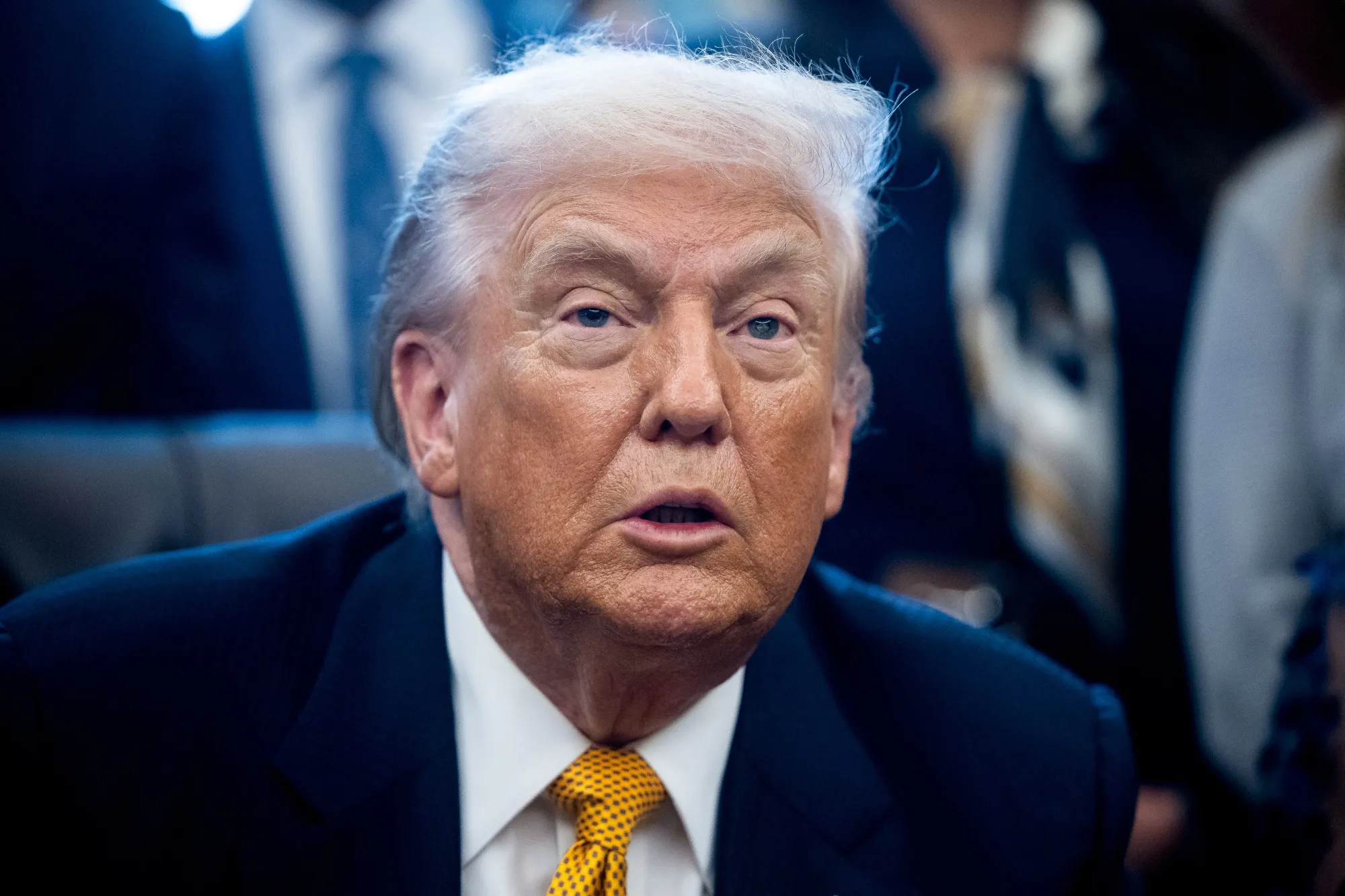
Donald Trump in Washington, DC, on Jan. 14.Photographer: Francis Chung/Politico/Bloomberg
By Alastair Gale
January 16, 2026 at 1:16 PM GMT+8
Takeaways by Bloomberg AI
- Tensions over President Donald Trump's actions, including his threat to seize Greenland, were discussed at the Honolulu Defense Forum in relation to efforts to deter China in the Indo-Pacific.
- Many participants expressed unease at Trump's challenge to a fellow NATO member over control of Greenland, with some saying it undermines US alliances and commitment to the rule of law.
- Discussions at the forum also focused on ways to counter China's military build-up in the Indo-Pacific region, including through missile defense and a stronger defense industrial base.
As President Donald Trump threatens to seize Greenland, tensions over whether his actions would undermine efforts to deter China in the Indo-Pacific were laid bare at a major security forum in Hawaii this week.
At the Honolulu Defense Forum, many current and former US government and military officials made the argument that steps taken by Washington to counter Chinese influence in the Western Hemisphere, including the removal of Venezuela’s president, would weaken Beijing’s global reach and help Washington project power with its allies in the East.
“Venezuela. Greenland. What is the overarching theme? Denying Chinese access, denying Chinese malign influence,” said Alexander Gray, a chief of staff of the White House National Security Council in the first Trump administration.
But in the corridors and meeting rooms of the annual gathering of military, government and defense industry leaders, many other participants expressed unease at Trump’s challenge to a fellow NATO member over control of Greenland.
Lt. Gen. Chun In-bum, a retired army officer in South Korea — an American ally since the Korean War — said he had always thought of the US as a force for good.
“Now I’m in a situation where I must tell my people that we now have two evils,” he said. “And we must choose the lesser evil.”
While most US allies tacitly supported the arrest of Venezuelan leader Nicolas Maduro, sidestepping concerns about international law, Trump’s threats to Greenland have prompted Europeans to establish a military presence on the island and have raised questions about the future of NATO. China, meanwhile, has called on nations to respect the United Nations charter and denounced the US for abiding by “the law of the jungle.”
Participants in Hawaii discussed ways to counter China’s military build-up in the Indo-Pacific region through missile defense, artificial intelligence and a stronger defense industrial base, among other issues. However, US officials mostly avoided direct criticism of China as Washington navigates a tentative truce over trade ahead of a meeting between Trump and Chinese leader Xi Jinping planned for April.
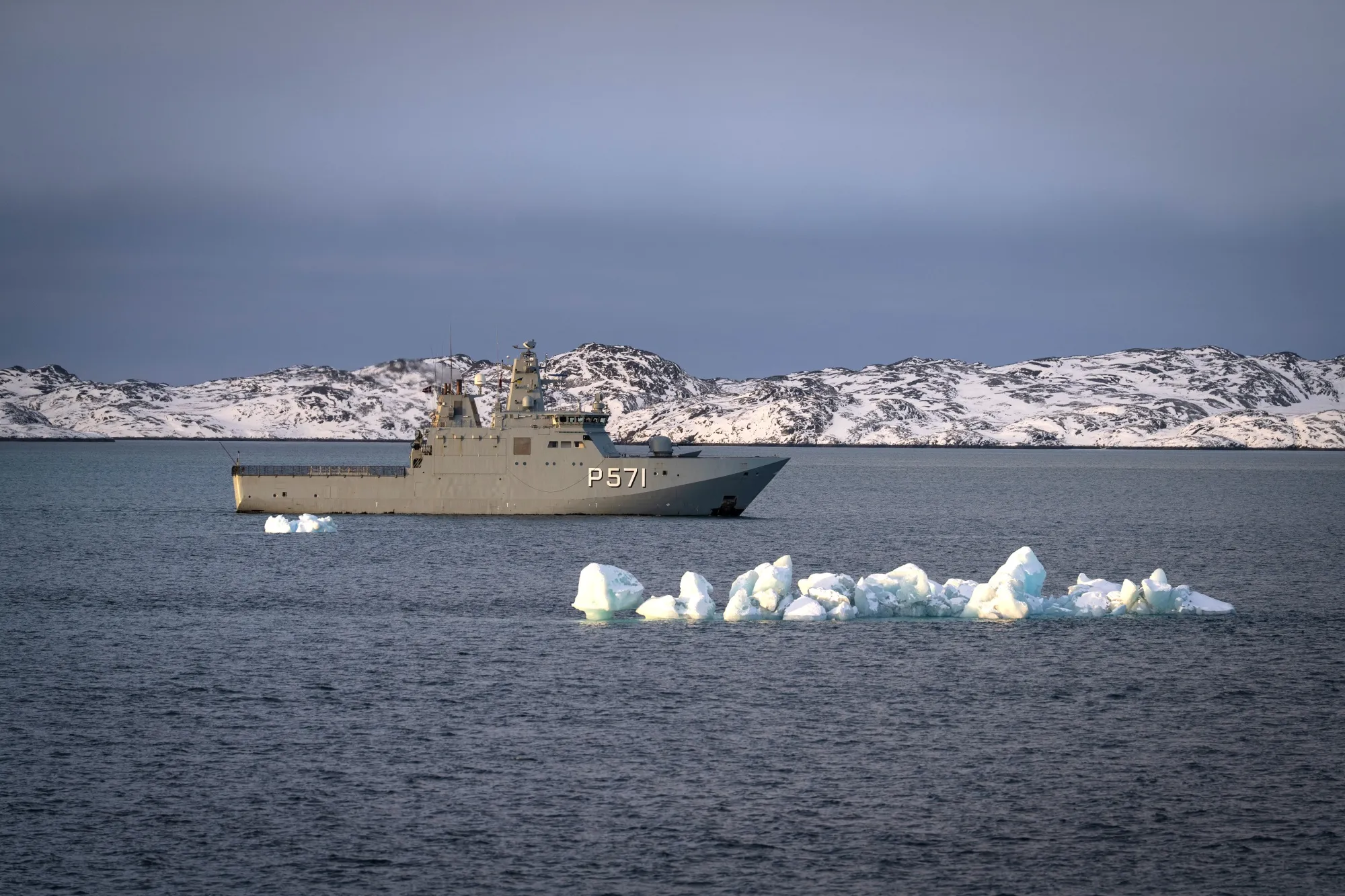
A Danish naval vessel patrols in Nuuk, Greenland, on Jan. 15.Photographer: Alessandro Rampazzo/AFP/Getty Images
That caution has also been reflected in Trump’s limited public support for Japan as it comes under economic and military pressure from China in a dispute over Taiwan, as well as for leaders in Taipei following major Chinese military exercises around the island at the end of last year.
The wariness of angering Beijing showed that the Trump administration wasn’t interested in broader strategic competition in the Indo-Pacific region, according to Ely Ratner, assistant secretary of defense for Indo-Pacific Security Affairs in the Biden administration.
“You can’t tell me that you’re prioritizing the China challenge if you’re not passing the grade in the Indo-Pacific,” he said.
US military officials countered that sentiment, with many expressing widespread support for the US alliance network in Asia at the forum. Asked about the impact on alliances from Trump’s threats over Greenland, Indo-Pacific Command Commander Samuel Paparo, the top US military official in the region, said: “I think we’re all going to be scrupulous about our alliances and partnerships. I think we’re going to move together.”
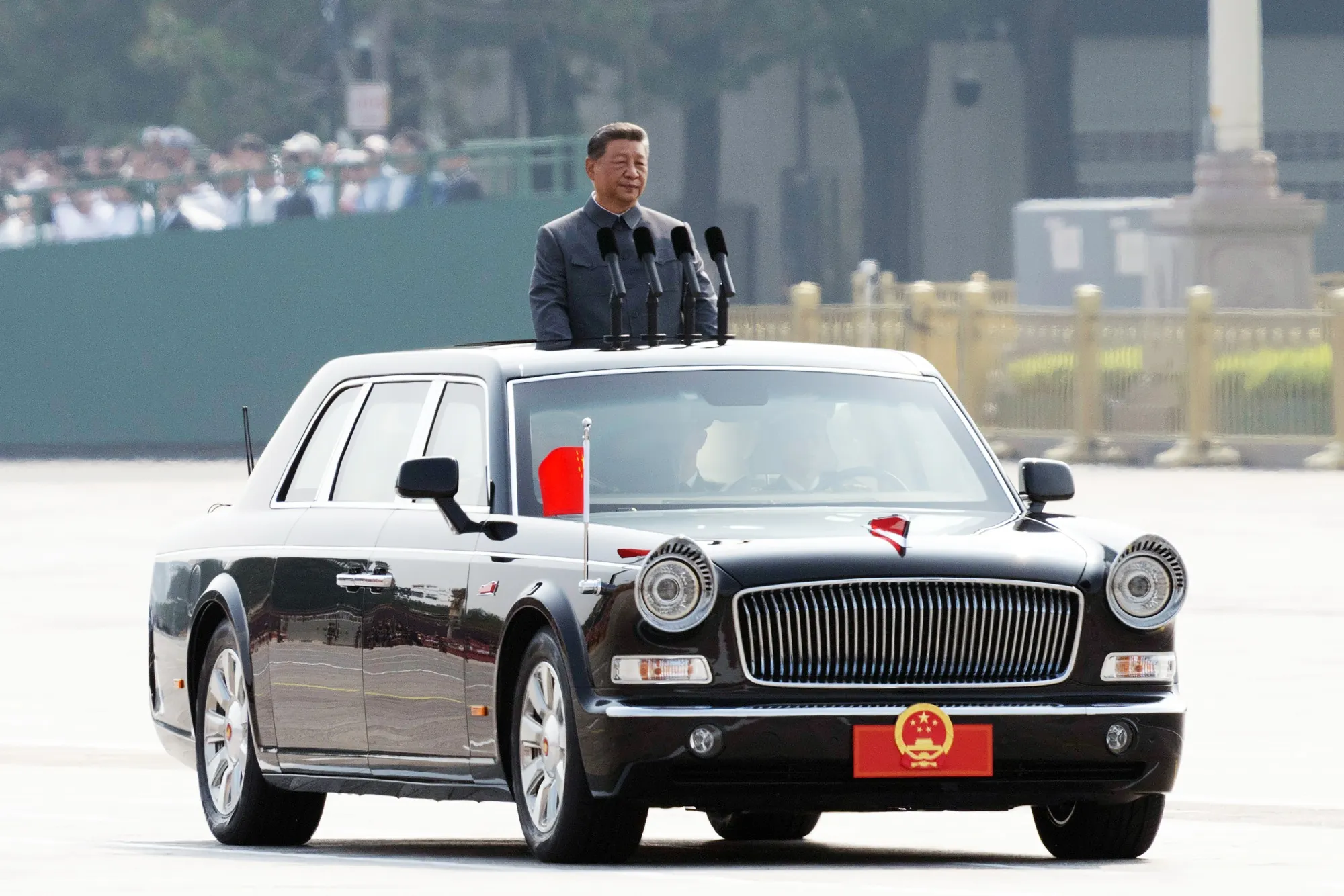
Xi Jinping at a military parade in Beijing in September 2025.Photographer: Qilai Shen/Bloomberg
Many discussions focused on China’s ambition to one day take control of Taiwan and the 2027 target set by Xi for the People’s Liberation Army to have a world-class military, a date that many US military planners have seized upon as reflecting a desire to use force — despite Chinese officials dismissing the notion of any timeline for an invasion. Military and defense industry officials highlighted the need for Taiwan to have missile and other defense systems that could withstand cyber and electromagnetic attacks, and robust energy and other supply lines to defeat any maritime blockade that might be used to try and subdue the island.
The focus on Taiwan as the pressing military challenge in the region was highlighted by remarks from Gen. Xavier Brunson, the top US military official in South Korea, who said US Forces Korea was prepared to play a role in any conflict over Taiwan if required. The largest US military base in Asia is in South Korea, just south of Seoul.
An emphasis on the Western Hemisphere in Trump’s new National Security Strategy raised questions about whether the US was becoming more isolationist. But far from bringing back historical “spheres of influence” that would allowChina to dominate in Asia, current and former US government officials said the approach was aligned with tackling the greater strategic challenge posed by China.
By extracting Maduro, the US has removed a key friend for China in Latin America as well as an important source of oil. Beijing’s other partners in Latin America, including Cuba, where the US says China has an intelligence-gathering outpost, have since come under renewed pressure from the US. American leaders have also made no secret of their goal of controlling Greenland to defend the US from Chinese and Russian military threats from the Arctic region.
Some at the conference also said the US may have helped ward off potential Chinese aggression with the stunning removal of Maduro from power in a complex military operation known as “Absolute Resolve,” as well as strikes on Iran’s nuclear facilities last year.
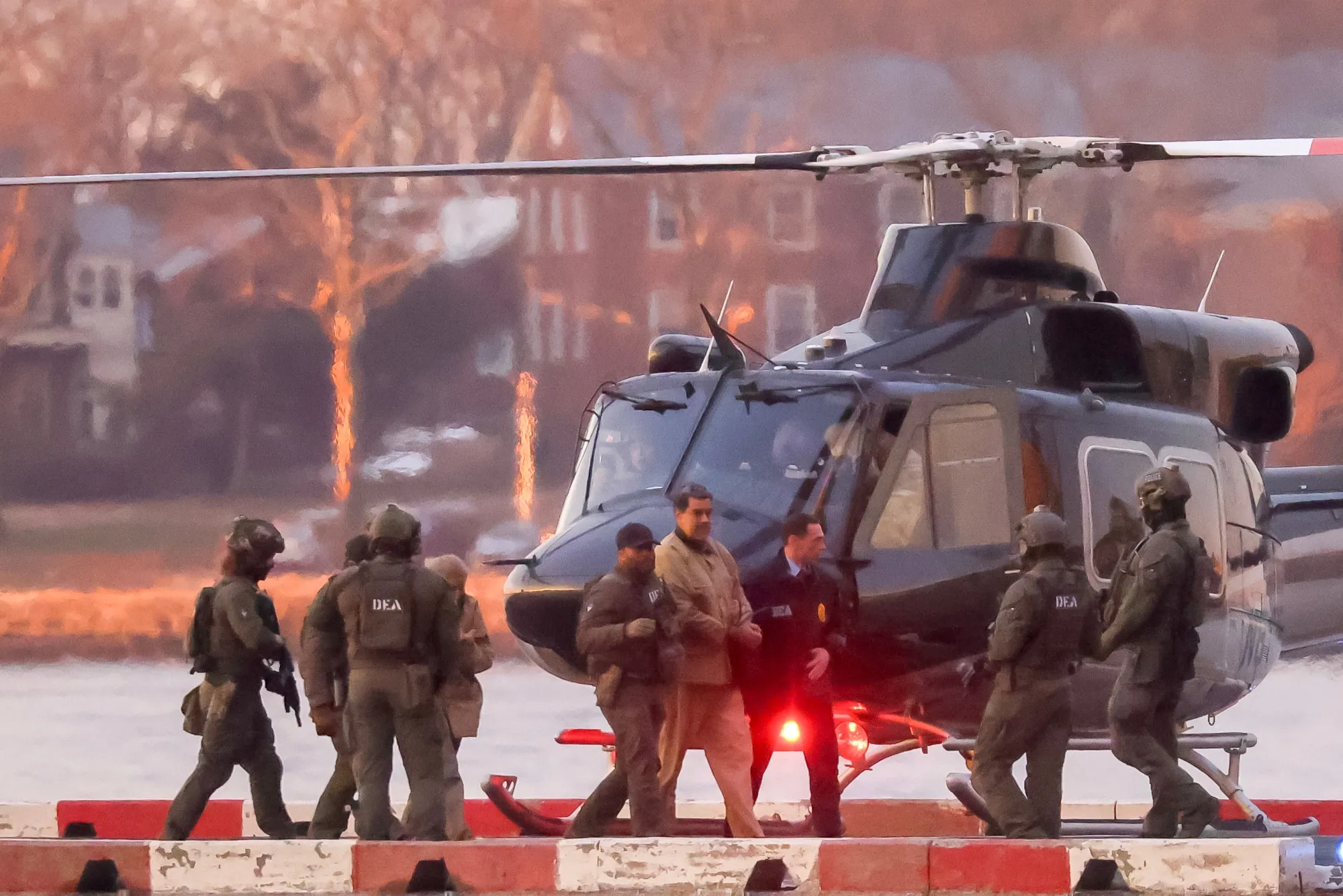
Nicolas Maduro arrives at the Wall Street heliport ahead of his appearance in federal court in New York on Jan. 5.Photographer: Michael Nagle/Bloomberg
The US has demonstrated “a tremendous capability to project power over great distances and then do so in a way where the cost to the US in terms of blood and treasure is relatively minimal,” said Markus Garlauskas, director of the Indo-Pacific Security Initiative of the Scowcroft Center for Strategy and Security.
But Trump’s challenge to a NATO ally with his threats to seize Greenland have also raised questions about the impact on US alliances and the American commitment to following the rule of law, participants said.
“It’s very hard to understand how America would support a rules-based order in this region if you can’t uphold a rules-based order in the North Atlantic by challenging the sovereignty of Denmark’s claim on Greenland,” said Courtney Stewart, deputy director of defence strategy at the Australian Strategic Policy Institute and a former Pentagon official.
“America’s always been viewed as sort of on the moral high ground and the good guy,” she added. “And this administration sees that that’s not paying off for them, and maybe we need a bit more respect and we actually can throw our weight around a bit more.” |



