but, are the <<fantasies>> bipartisan-supported?
by like-minded?
for the common-prosperity greater-good?
if so, worry not, just add it to the tab and print
reckoning can be held at bay, until the tsunami
in the meantime good to understand that the port of Baltimore is running well, a success story
albeit must confess I did not know Baltimore had a port
so I checked, and admittedly cursory, did not find what perhaps Bloomberg meant 'jetty', 'pier', 'boat ramp', or 'landing' mistaken for a 'port' :0) yes yes, am having a bit of Thursday joshing :0)
Are port programs an explicit part of the infrastructure bill?
Will tax on crypto pay for such? If yes, buy crypto and HODL because in order to collect useful tax, 'they' must ramp what is to be taxed.
visualcapitalist.com
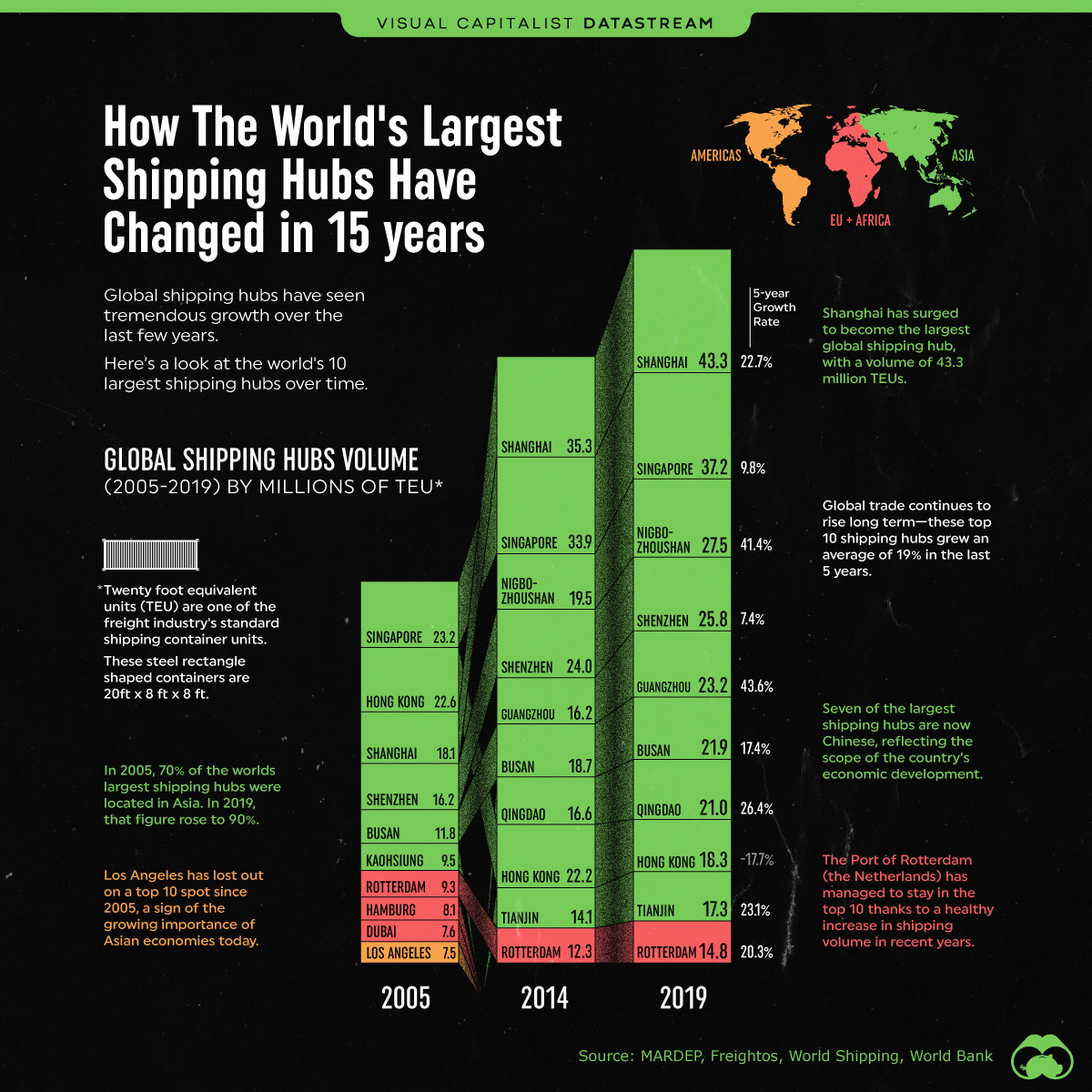
visualcapitalist.com

bloomberg.com
Biden Says Agenda Will Curb Inflation, Return ‘Normal’ Economy
Josh Wingrove
11 November 2021, 05:42 GMT+8
President Joe Biden said his soon-to-be-signed infrastructure legislation is part of a plan to return the U.S. economy to normal, including by curbing inflation, as he promoted the measure at the Port of Baltimore.
“Everything from a gallon of gas to a loaf of bread costs more,” Biden said in remarks at the port, describing a “crisis facing the American people.”
“It’s real,” he said, referring to a report earlier Wednesday that showed a surge in consumer prices last month. “Jobs are up. Wages are up. Values are up. Savings are up. But we’ve got problems, too.”
The infrastructure bill, he said, is part of “a plan to finish the job of getting us back to normal from the pandemic and having a stronger economy than we ever had before.”
Biden’s visit was intended to demonstrate the benefits of the kind of investment the $550 billion infrastructure bill will provide nationwide. With new cranes and a second 50-foot-depth berth on the way, Baltimore’s port markets itself to some of the world’s largest container vessels.
Maryland Governor Larry Hogan, a Republican, met Biden at the port and told reporters the infrastructure program “is going to be tremendous.” The president intends to sign the bill in a ceremony on Monday, a White House official said.
Read more: A Rare Port Success Story Is Chance for Biden to Tout Plans
But the trip was eclipsed by the report Wednesday morning showing that prices are rising at the fastest pace in more than 30 years, raising political pressure on the president after Democrats suffered defeats in off-year state elections last week.
The consumer price index rose 6.2% in October from a year earlier, the Labor Department data showed. The report prompted a warning from Senator Joe Manchin, a West Virginia Democrat whose vote Biden needs to pass his other major legislative package, a mix of social spending, climate measures and tax changes.
Manchin said in a tweet that inflation is not “transitory” -- as administration officials have said -- and added that “DC can no longer ignore the economic pain Americans feel every day.”
Manchin’s reaction to the inflation report raised fresh concern about the second part of Biden’s economic agenda, legislation called “Build Back Better” that combines climate and social welfare measures with tax changes. The West Virginia senator has previously questioned whether the measure, currently expected to spend about $1.75 trillion over ten years, would add to inflation.
Read more: Biden Seeks to Curb Energy Costs; Manchin Urges Inflation Action
Biden said in Baltimore that the Build Back Better legislation would be “totally paid for” by federal revenue-raising measures including tax increases, and he pointed to a letter by prominent economists who predicted that his combined economic agenda would reduce inflation.
The Baltimore port is a success story at a time of bottlenecks, running comparatively smoothly as infrastructure investments take hold -- including new cranes, dredging an extra berth to accommodate large ships, and a forthcoming expansion of a crucial rail link.
“We’re going to reduce congestion,” Biden said. “We’re going to address repair and maintenance backlogs, deploy state of the art technologies and make our ports cleaner and more efficient.”
Tonnage at the port has been steady, far from the bottlenecks in Asia and the crush of demand at the ports of Long Beach and Los Angeles. Baltimore is the top port of arrival for U.S. auto imports, which have been hampered by a semiconductor shortage.
Senator Chris Van Hollen, a Maryland Democrat, said money from the infrastructure bill would help build a third 50-foot berth. “The bottom line is there’s lots more work to do and a lot more Marylanders to hire with good-paying jobs,” he said.
— With assistance by Jenny Leonard, and Jennifer Epstein
Before it's here, it's on the Bloomberg Terminal.
LEARN MORE |



